Small projectors are one of the most underrated pieces of home tech, and I say that as someone who's watched the category slowly get better and better. For years, the "mini projector" meant a dim, washed-out box that looked fine in a pitch-black room and hopeless anywhere else. The trade-off was always the same: you got portability, and you paid for it in picture quality. So when Epson rolls out not one but two new 3LCD projectors, the question I care about isn't how pretty they look on a shelf. It's whether they've actually fixed the compromise.
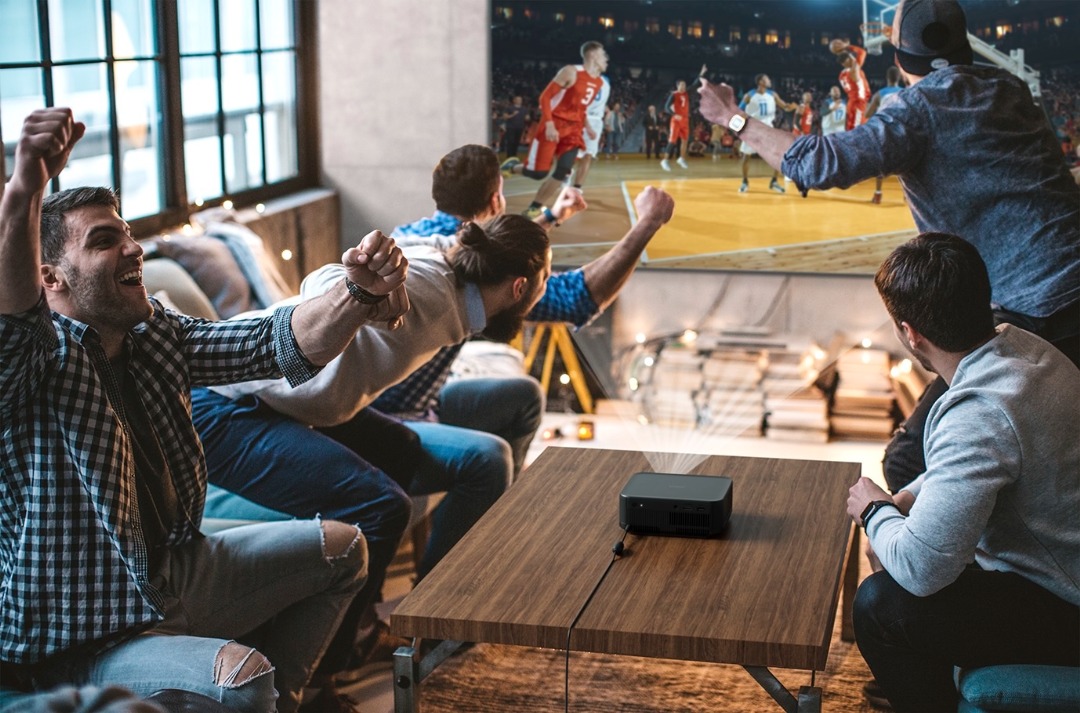
Epson has just launched its LifeStudio Series in Australia, and it's two models: the LifeStudio Pop and the flagship LifeStudio Flex. Both are pitched at people who want a genuine big-screen experience without dedicating a room to it, or wiring in a projector, screen and separate speakers like it's 2010. And if you're the sort of person who loves the idea of a cinema-sized picture in an intimate space, a bedroom, a spare room, the backyard on a summer night, this is exactly the category worth paying attention to.
The tech that matters: 3LCD, not DLP
Here's the technical decision that separates these from most of the field. Nearly every compact projector at this price uses a single-chip DLP system. It's cheap, it's small, and it has one well-known quirk: the rainbow effect, those little flashes of colour you catch out of the corner of your eye on high-contrast scenes. Some people never notice it. Some people can't unsee it once they do.
Epson has gone with its 3LCD technology instead, which uses three separate panels for red, green and blue rather than spinning colour through a single chip. The practical upshot Epson claims is equal white and colour brightness, and no rainbow effect. That second point is the one I'd actually verify in person, because it's the kind of thing that makes or breaks a projector for a subset of viewers. But the equal-brightness claim is meaningful. A lot of cheap projectors quote a big white-light number and then produce muted, washed-out colour, because colour brightness is a fraction of the headline figure. If Epson's numbers hold up in a normal living room, that's a real advantage rather than a spec-sheet flex.
Both models run 4K PRO-UHD with HDR support and throw an image up to 150 inches. That's a serious wall of picture from something you can pick up with one hand.
Pop versus Flex
The LifeStudio Pop (EF-62B) is the portable one. It's built around Epson's Triple Core Engine, puts out 700 lumens of white and colour brightness, and leans hard on being grab-and-go: carry it into another room, out to the patio, wherever. It's $1,499.
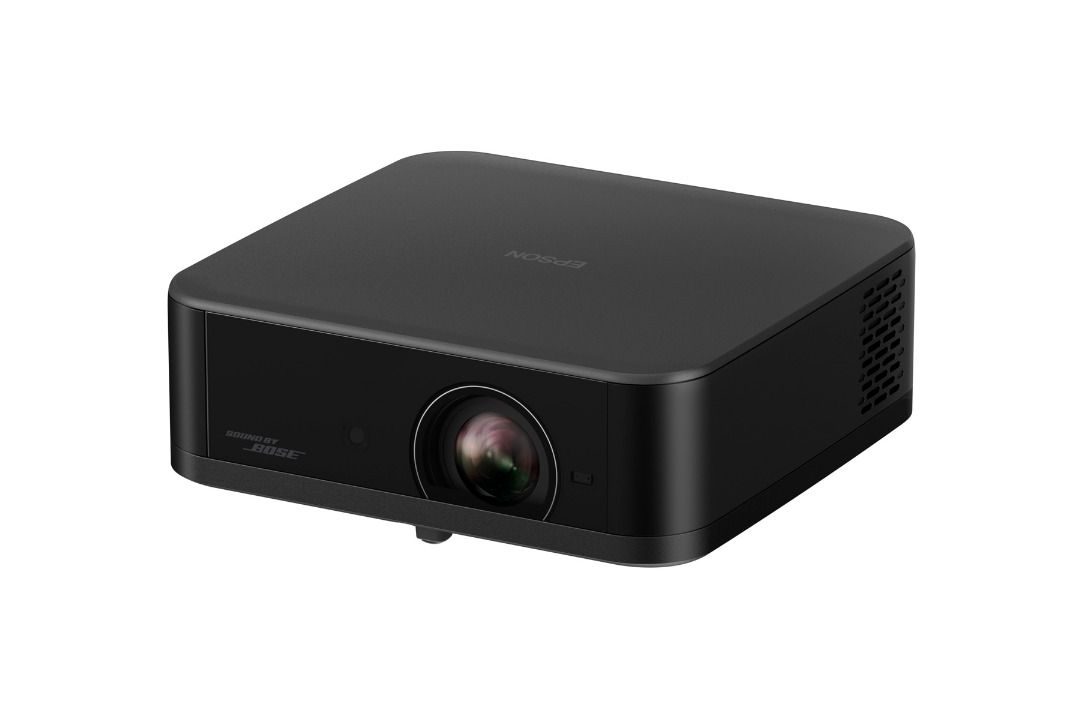
The LifeStudio Flex (EF-73) is the flagship and the more interesting object. It steps up to 1,000 lumens, adds a built-in gimbal so you can aim the picture without shoving the whole unit around, throws in ambient lighting and a nicer finish, and includes an integrated wireless charging pad. It can also run off a USB-PD power bank rather than needing its own adapter, which is a genuinely useful touch for outdoor use. It's priced at $2,199.
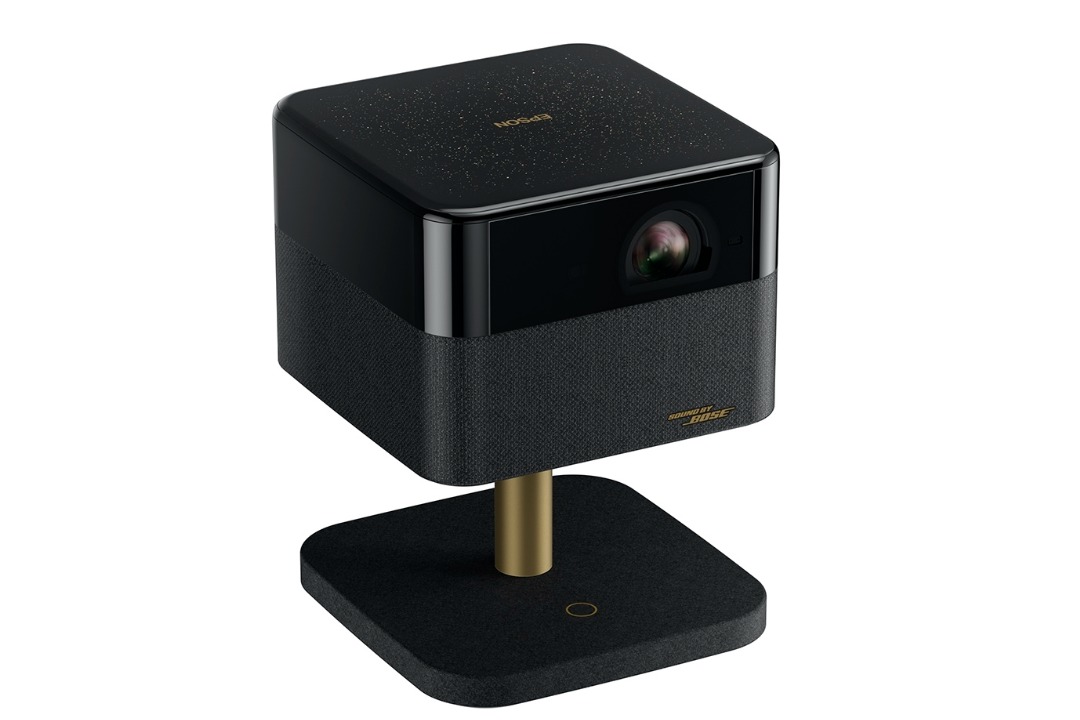
Both share the smart stuff that makes these usable as a single device rather than one link in a chain. Built-in Google TV means Netflix, Prime Video, YouTube and the rest are just there, no dongle, no HDMI juggling. And both carry Sound by Bose, which matters more than it sounds, because the usual failing of a small projector is that the built-in audio is an afterthought and you end up needing a separate speaker anyway, which defeats half the point of buying something this compact.
Setup is where these should earn their keep
The feature I'm most curious to stress-test is the automatic setup. Epson lists auto focus, keystone correction, screen fit, obstacle avoidance and wall-colour adjustment, all working together so you plonk the thing down and start watching. If that works as described, it's the single biggest quality-of-life improvement a projector can offer. Manual keystone and focus fiddling is the tax you pay on every projector that doesn't do this well, and it's the reason a lot of them end up permanently parked in one spot rather than actually being moved around. Auto everything is what turns "portable in theory" into "portable in practice".
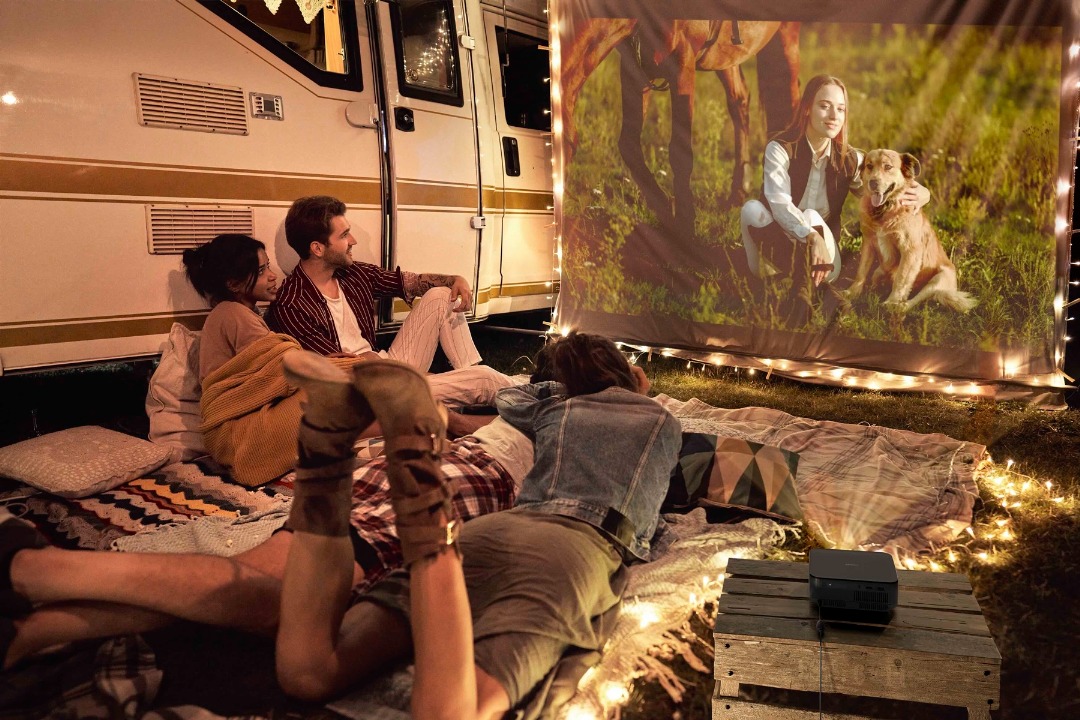
I'd want to see how the obstacle avoidance and wall-colour correction cope with a real room, though. These features are easy to demo in a controlled space and much harder in a lounge with a bookshelf, a doorway and an off-white feature wall. That's the test that counts.
Where this duo lands
The LifeStudio Series is Epson doing the sensible thing: taking the picture-quality advantage it already has from 3LCD and putting it in a small, design-led, genuinely smart package with decent sound baked in. At $1,499 for the Pop and $2,199 for the Flex, these aren't impulse buys, and they're priced above the cheap DLP crowd, but the whole argument here is that you're paying for the picture and the fact that it's a complete device out of the box rather than a projector plus a shopping list of accessories.
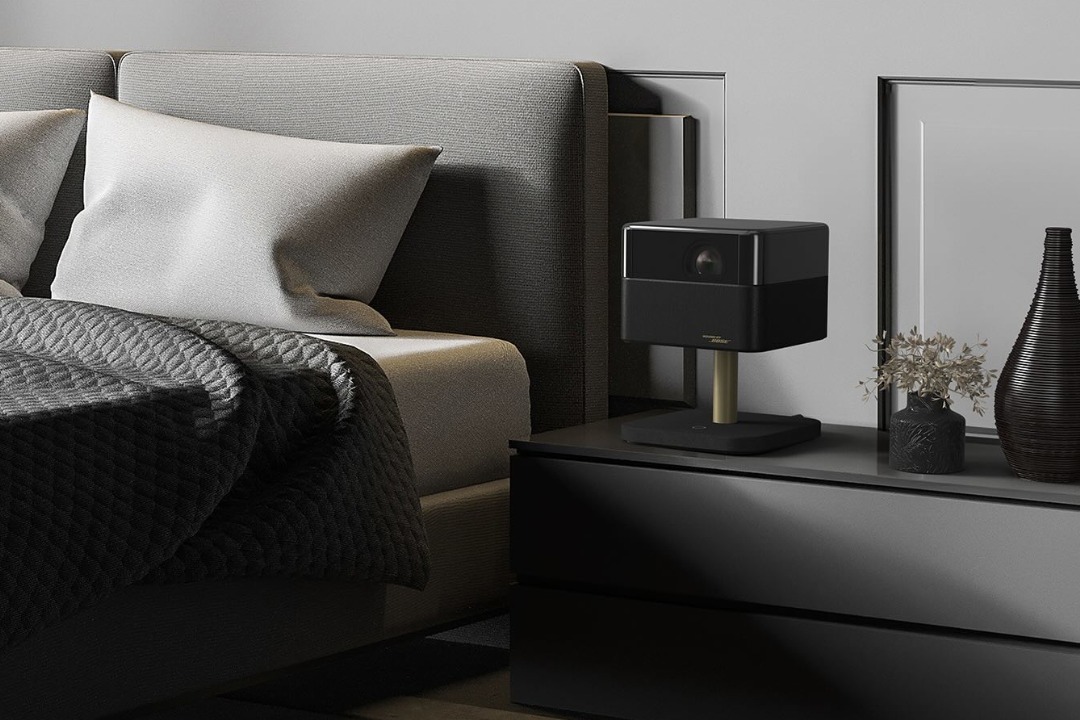
Both are available through authorised Epson retailers across Australia from September 2026. If small, high-definition projectors have been flying under your radar, this is a good moment to take a second look; just go in clear-eyed about the lighting in whatever room you're planning to use it.