Most power banks are a compromise you tolerate rather than a product you appreciate. They're big enough to be annoying, slow enough to be frustrating, and almost never powerful enough to do the one thing you actually want - keep your laptop alive when you're nowhere near a wall socket. You then end up carting around a brick that only really feeds your phone.
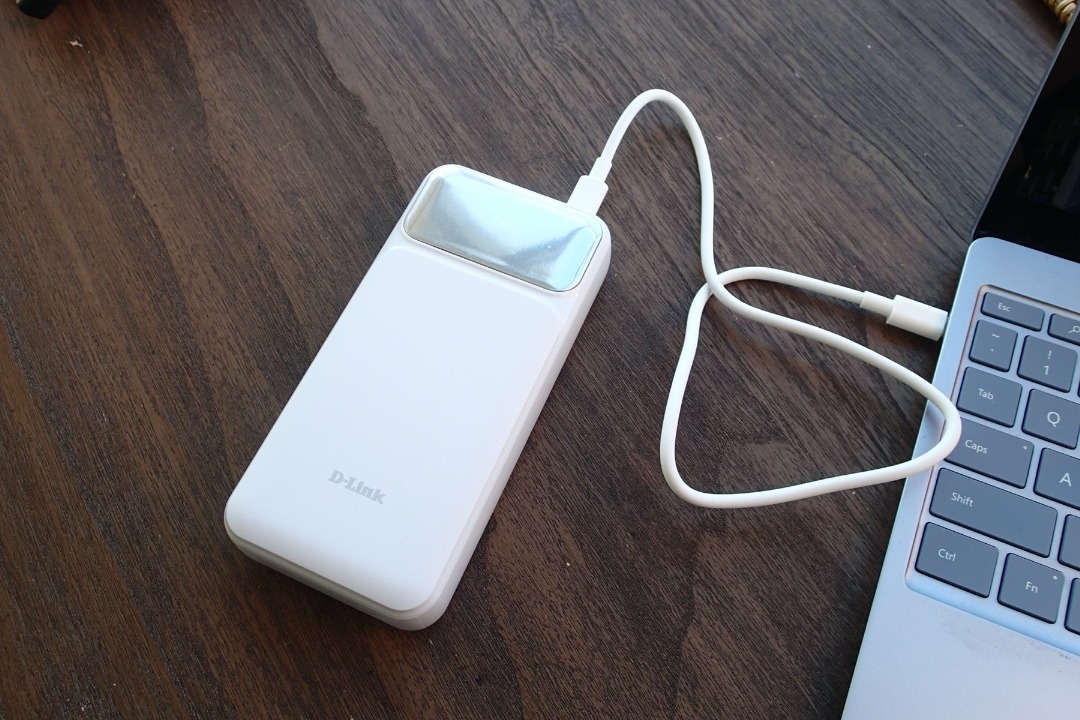
The D-Link DPP-201 is aimed squarely at that gap. It's a 20,000mAh bank with 65W of fast charging across three ports, and the headline here isn't the capacity - it's that this thing can genuinely run a modern USB-C laptop, not just trickle into a handset. For frequent travellers, remote workers, WFH liars, and anyone who treats a laptop as their primary tool, that power umph is the difference between a useful accessory and dead weight in your bag.
Design & Build Quality
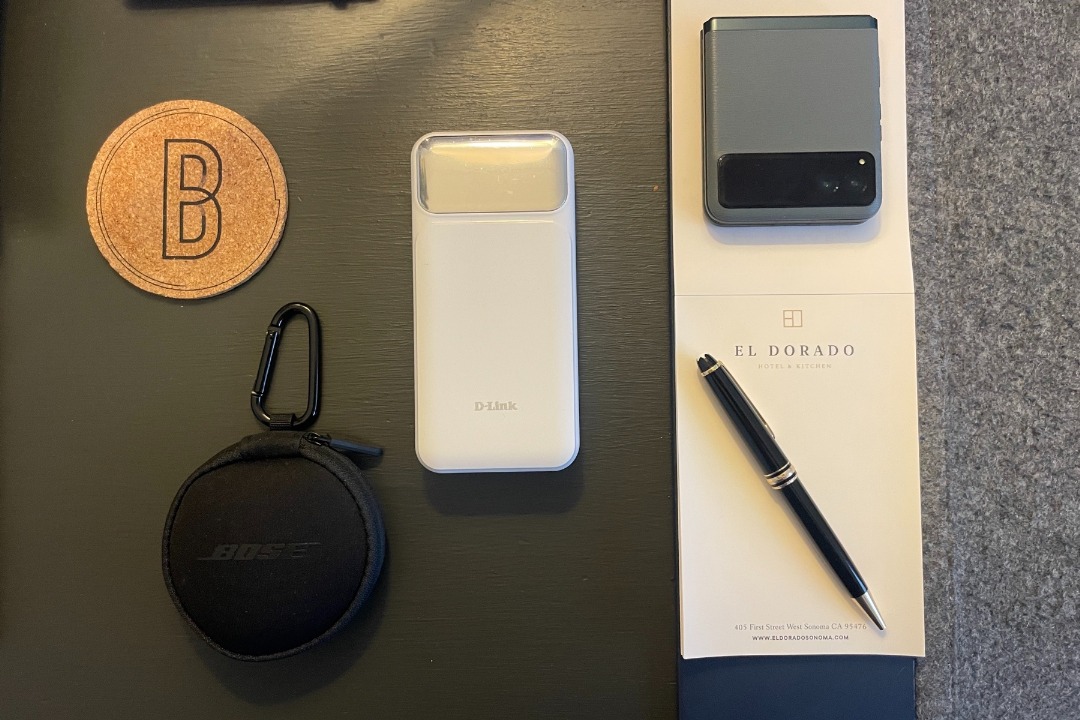
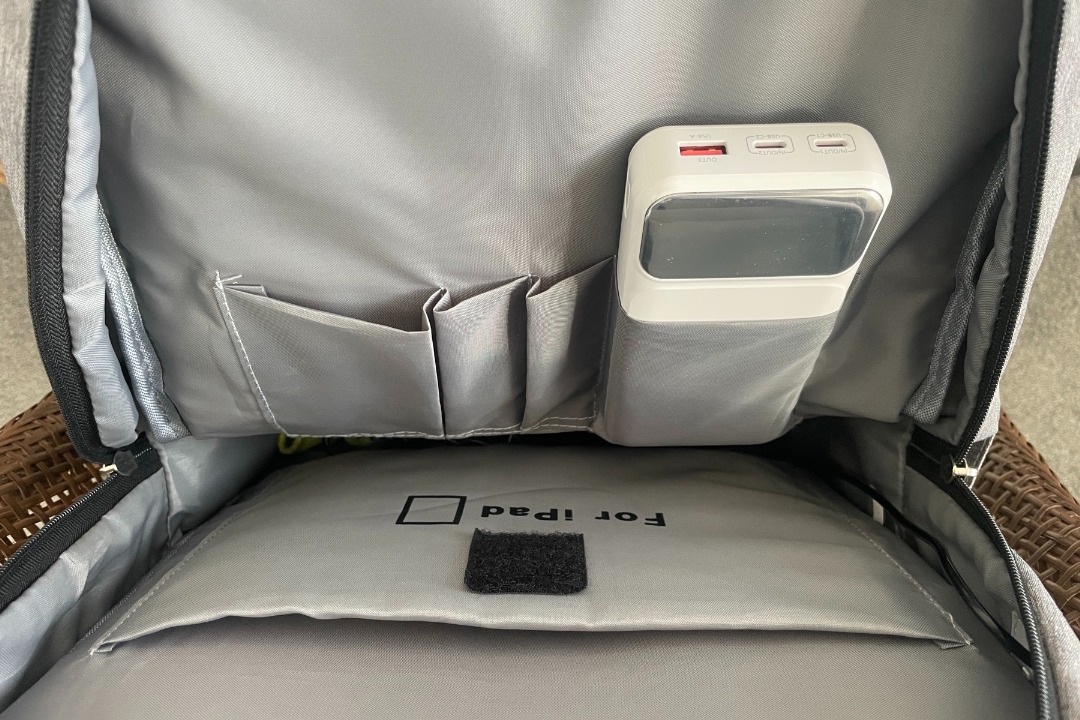
The DPP-201 is compact in footprint, but let's be honest about the weight straight away: it tips the scales at just over 400 grams. That's heavier than I expected when I first picked it up, and it's enough that you notice it in a jacket pocket or a small bag. Calling it "pocket-sized" is a stretch. It'll go in a coat or a backpack happily; it won't disappear into a pair of jeans.
The build itself feels solid and considered, with a digital LED display on the front that reports the remaining battery percentage. That display is genuinely handy - knowing you've got 38% left rather than guessing from a trio of dots is a real upgrade. The catch is the characters are small. You can read them fine up close in low light, but at a glance across a desk, or in a brightly lit cafe, you'll find yourself squinting. It's the right idea executed a touch too conservatively.
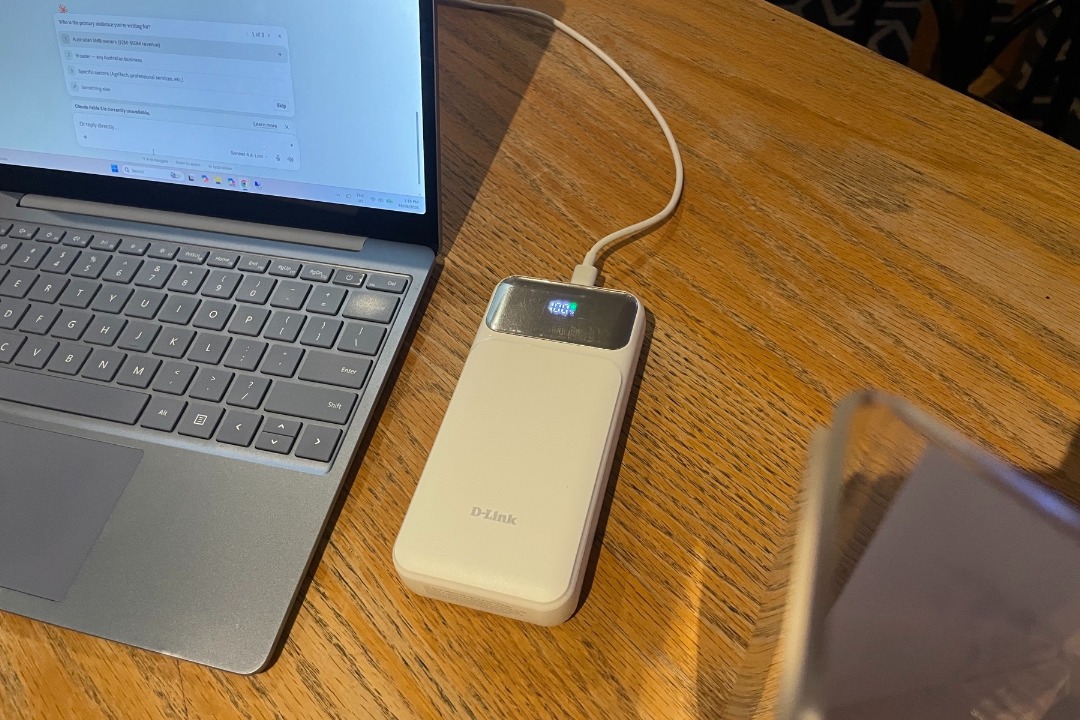
The one design decision I keep bumping into is the curved edging. It looks clean, but it means the unit only sits flat on its back. If your workspace is tight - a café table already crowded with a laptop, a coffee and a notebook - having it lie down rather than stand up costs you precious surface area. A flat edge or two would have let it perch out of the way. Minor, but the kind of thing you feel every day.
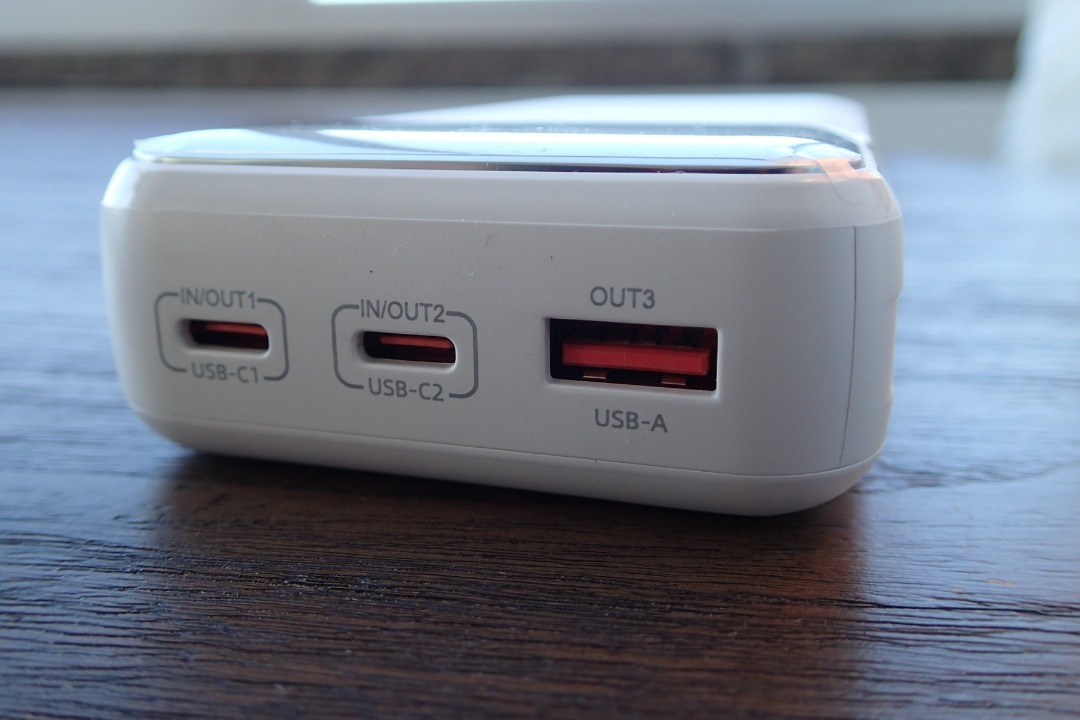
Port-wise it's well sorted: two USB-C and one USB-A, so you can run three devices at once.
Setup & Out-of-Box Experience
There's nothing to set up, which is exactly as it should be. Out of the box you charge it, plug in, and go. The one thing worth flagging is the input: to fill 20,000mAh at any sensible speed, the DPP-201 wants a good-sized power input. Feed it from a weedy 5W phone charger and you'll roast a chicken with a candle faster. Give it a proper PD wall adapter, and it tops up quickly. The same goes if you're charging in the car. Most in-car systems don't give you the wattage you need. Get yourself a dedicated 12V socket USB-C charger, and you'll be sweet. Look for the green icon in the display to know you've got the optimal power flow.
Day-to-Day Use
This is where the DPP-201 earns its place. The 65W output, with PD 3.0 and QC 3.0 support, is enough to fast-charge a phone, a tablet and - the important bit - a USB-C laptop. I've run it as a genuine laptop top-up on the move, and it does the job without drama. That alone puts it ahead of the great majority of banks this size, which quietly cap out well below what a laptop needs.
What impressed me more than the raw number was the power management. The DPP-201 is clever about how it distributes its 65W when you've got multiple devices plugged in. Charge one device and it gets the lot; add a second or third and the bank reallocates sensibly rather than just falling over or starving everything equally. In practice that means you can have a laptop, a phone and a set of earbuds all charging off one unit and trust it to sort out the priorities. For a multitasker living out of a bag, that's the feature that makes it worth carrying.
Capacity is what you'd hope for from the weighty 20,000mAh capacity. D-Link quotes roughly five full charges of an iPhone X, or three of an iPad Mini or Nintendo Switch. Real-world figures always come in a little under lab numbers once you account for heat and voltage conversion, but it's in the right ballpark - this is comfortably a multi-day phone bank, or a one-to-two-day safety net if a laptop is feeding off it too. My Microsoft Surface Go laptop would drain the DPP-201 pretty quickly to around 50% and then back off, meaning I could then refresh my iPhone 12 Pro from 20-80% in quick time.
There's also a sensible suite of protections built in - overcurrent, overvoltage, overcharge and short-circuit cut-offs that shut the supply down if something goes wrong. You don't think about it day to day, which is the point, but it's reassuring on a device you'll leave charging unattended.
What Works, What Doesn't
Works well: It charges a laptop. That's the whole reason to buy it, and it delivers. The 65W output is real, the power distribution across three ports is genuinely smart, and the capacity is enough to get you through a couple of days away from a socket. The LED percentage display is a welcome upgrade over guesswork, and the safety protections are comprehensive. There's a short (50cm) USB-C to USB-C cable in the box, but I'd grab a Thunderbolt-rated (1m) cable for additional flexibility.
Doesn't work well: It's heavier than it looks at just over 400 grams, so don't expect to forget it's in your pocket. The LED characters are too small to read at a glance. The curved edge means it only lies flat on its back, which is mildly irritating on a cramped desk. And it needs a proper high-wattage input to recharge at a reasonable pace - bring a real charger, not the runt of your cable drawer.
None of these is a dealbreaker. They're the rough edges on an otherwise very capable and cost-effective unit.
Value & Verdict
Here's the part that reframes everything: It costs less than $100. For a 20,000mAh bank with genuine 65W laptop-capable charging, smart three-port power distribution and a digital display, that's sharp pricing. Plenty of banks ask more and deliver less, often without the laptop-charging grunt that's the entire selling point here.
If you carry a USB-C laptop and you've been waiting for a power bank that can actually keep it alive - rather than just nursing your phone - the DPP-201 is an easy recommendation. The weight and the small display are real, but they're the sort of compromises you make peace with once you've used the thing in anger and realised it just works.
Recommended for: Travellers, remote workers and anyone who needs to charge a laptop away from a wall socket. Skip if: You only ever top up a phone and want something genuinely pocket-sized and feather-light - this is more capability than you need.