Highlights
- XPENG takes a massive swing at the upper-luxury SUV segment with the G9L.
- Available as a pure EV or as a Regenerative Energy EV, offering up to 1,200km range.
- Coming to Australia in 2027 as a 6- or 7-seater, this is a three-row luxo-barge will go head to head with the Europeans.
XPENG turned up to the Paris Motor Show with the G9L, a three-row large luxury SUV aimed squarely at families who like the idea of going electric but still want to point the car at a destination six hours away without a second thought. For an Australian audience, that's a sharper pitch than it first sounds, because this is the segment where we actually spend our money. SUVs are the strongest part of the market and still climbing, and the upper-large end keeps ticking along. The G9L walks straight into that fight with a choice most rivals don't offer: go full EV, or take the range extender and stop worrying about charging altogether.
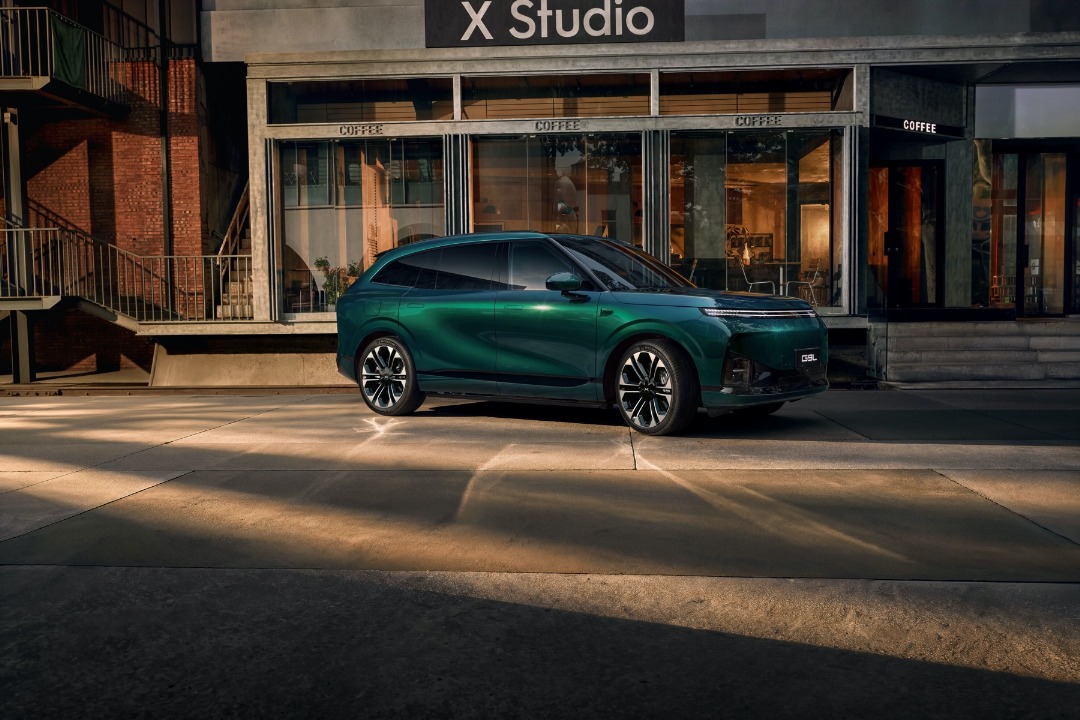
Two ways to power it, and the second one is the interesting one
The pure-electric G9L runs a 110kWh battery for up to 553km of WLTP range, 430kW of power and 695Nm, with an 800V architecture and a claimed 10 to 80% DC recharge in under 12 minutes on a suitable fast charger. Those are flagship numbers, and they'd do the job on their own.
But the version that'll get people talking here is the REEV (Regenerative Energy Electric Vehicle), XPENG's "Super Electric" range-extender. The idea is simple and, for once, the execution matches the pitch: a 63kWh LFP battery gives you 287km of electric range before anything combusts, and a 1.5-litre turbo petrol engine sits in the background as a generator. It never drives the wheels. The car is electric-motor-driven in every condition, so you keep the instant response and the smoothness, and the petrol unit just tops up the battery when the distance demands it. Combined range is a quoted 1,200km. For a country where "we'll drive up to see the grandparents" means 700km each way, that's a genuinely compelling answer to range anxiety without asking buyers to commit fully to the charging network.
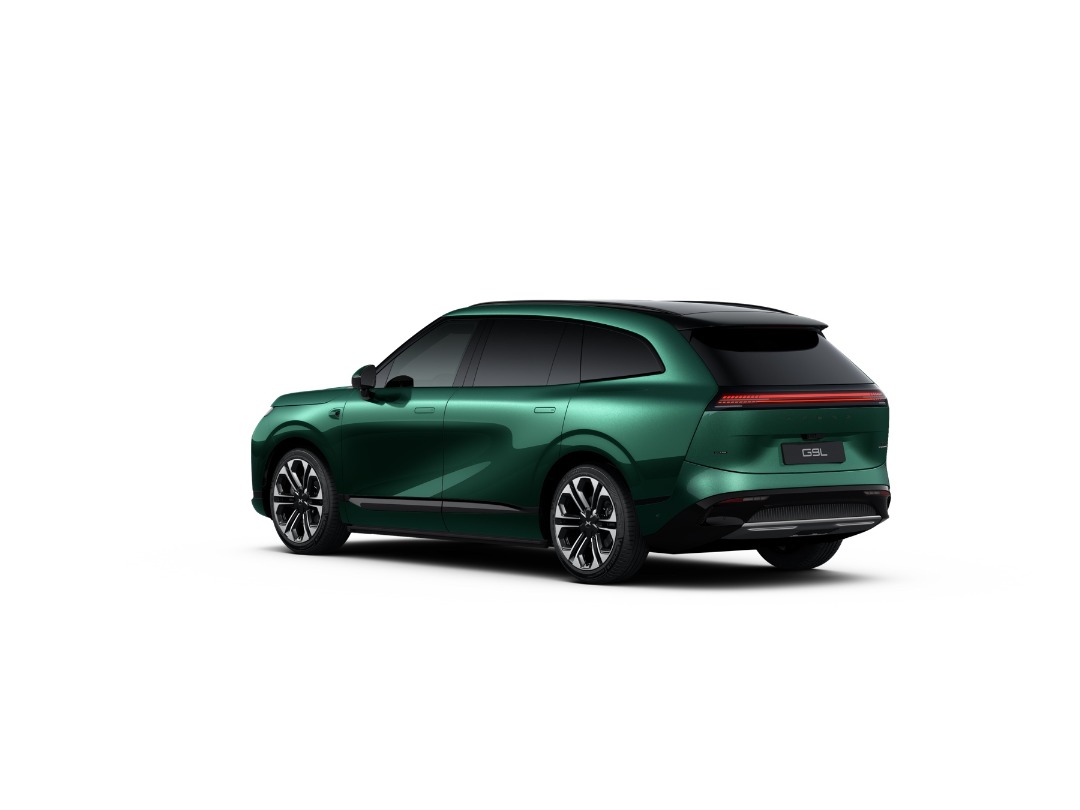
XPENG claims the range extender is nearly silent, targeting a difference of less than 1dB between electric and generator running. I'll want to hear that on a coarse-chip Australian highway before I take it as read, but the architecture is the right one.
A cabin that says look out Range Rover
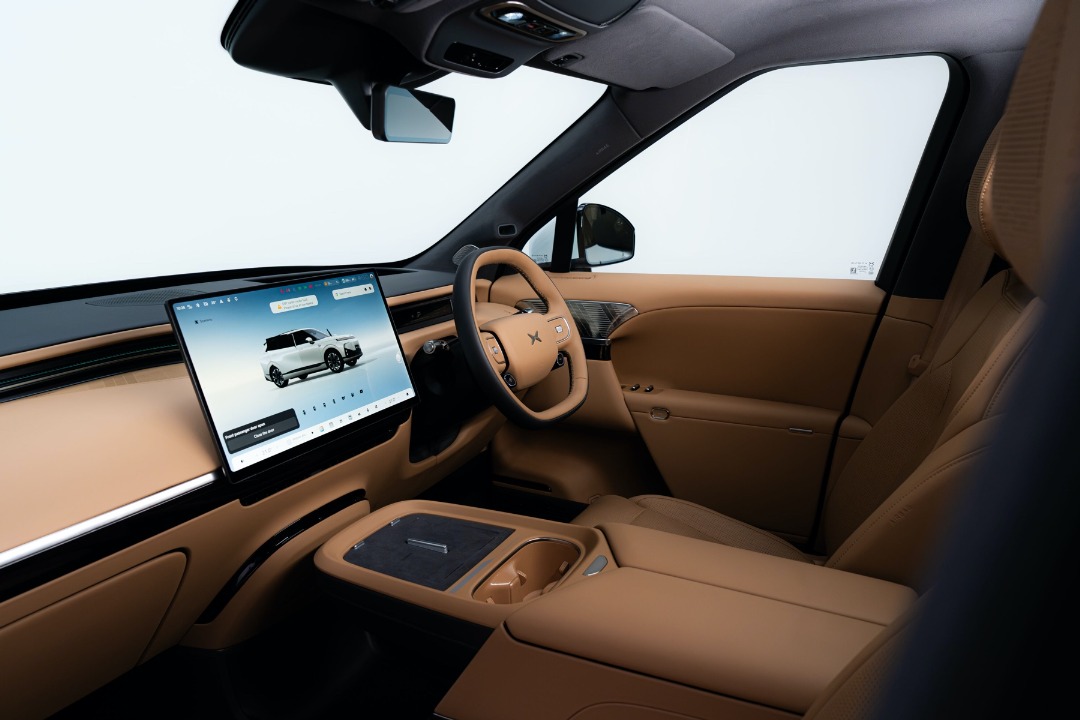
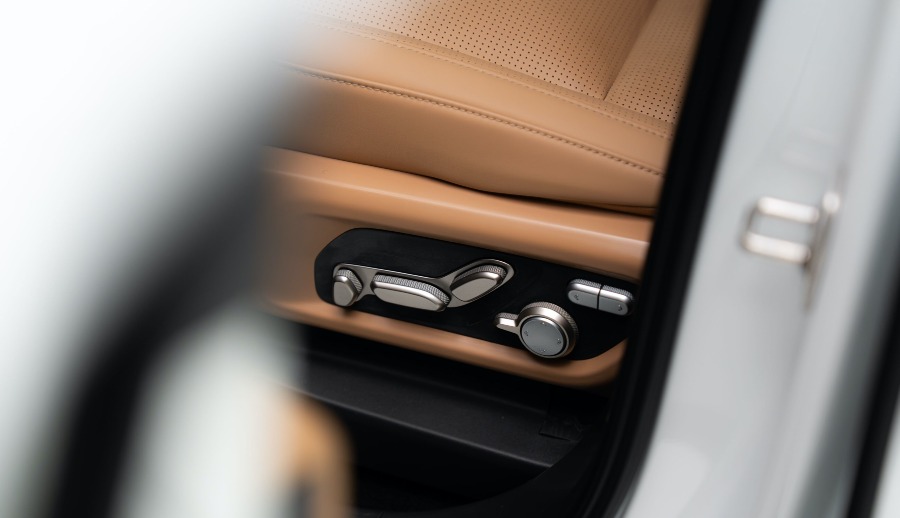
The G9L is 5,120mm long on a 3,100mm wheelbase, so there's plenty of internal real estate to work with, and XPENG has spent it on the inside rather than just the brochure. Available in six or seven-seat layouts, it goes well past the usual "third row for emergencies" compromise. The first row gets Nappa leather, ventilation, heating, memory, 16-point massage and a zero-gravity passenger seat. The second row gets its own 10-point massage, power adjustment and electric sunshades. Even the third row gets power adjustment and heating, which is more than most large SUVs bother with back there. Add a 26-speaker audio system and a built-in fridge and the brief is obvious: this is meant to feel like a lounge, not a people-mover.
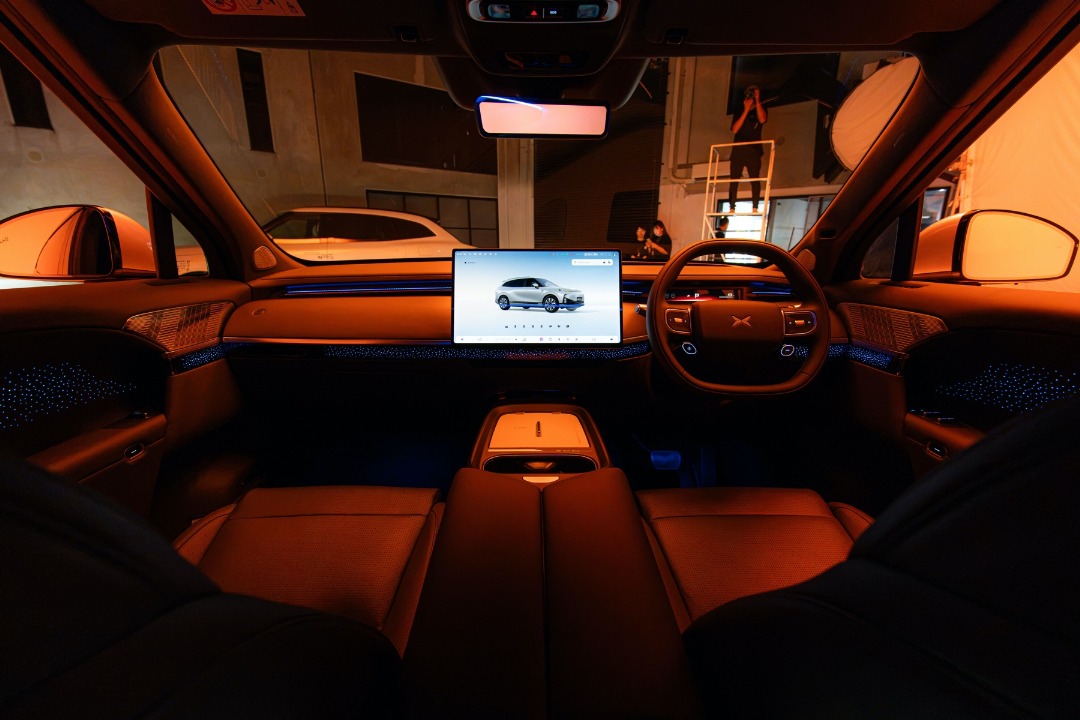
Underneath, there's dual-chamber air suspension, continuous damping control, a double-wishbone front end and rear-wheel steering to make a car this size manageable in a Woolworths car park. On paper the chassis hardware is where it should be for a premium large SUV.
The unique Parisian launch media strategy
Whilst XPENG is somewhat of a minnow in Australia, it's making its mark in markets such as Europe and the Middle East. For the launch of the G9L, XPENG enlisted the help of YouTuber Tim Burton - AKA Shmee150 to drive the car from the factory in Austria to the Paris Motor Show. Tim is no stranger to the luxury SUV market, and one of his strengths is engaging with his substantial audience (~3M subscribers) on highly technical automotive matters.
The AI driving pitch, and the Australian asterisk
XPENG leans hard on its NGP (Next Generation Pilot) system, built on a second-generation VLA model, promising assisted driving across city and highway, intelligent lane changes, traffic-light recognition and advanced parking. It's the headline act of the reveal. The catch for us is timing: XPENG says NGP won't roll out to Australian and New Zealand customers until sometime in 2027. So early cars may land here before the software that defines them does. That's worth keeping in mind before anyone buys on the strength of the autonomy story.
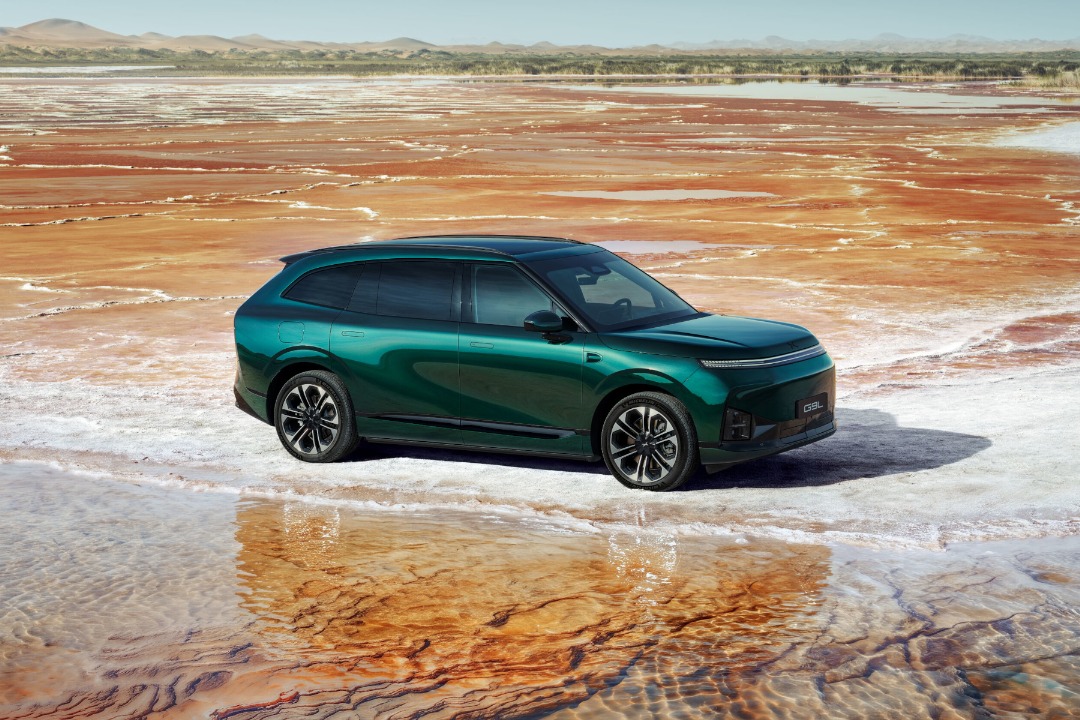
What it'll cost, and when it lands
XPENG hasn't confirmed Australian pricing or a launch date. The company says local specs and timing will be locked "in the coming months," and the G9L will slot in above the G6, X9 and L03 that already front XPENG's local showrooms. So anyone quoting you a firm figure today is guessing.
What we can say is that this is a flagship, three-row, air-suspended, massage-everything large SUV, and it'll be priced like one. Expect it to sit well north of the G6, and expect XPENG to use the REEV version to undercut established luxury seven-seaters on both price and the range conversation. That's the whole play here: premium space and tech, minus range anxiety, for less than the German badge equivalent. Whether the final Australian number backs that up is the one detail that matters, and it's the one we don't have yet.
So, should Australian families care?
Yes, cautiously. The G9L is aimed precisely at how this country actually uses a big SUV: school runs on electrons, long holidays without a charging map, and three rows that someone might genuinely want to sit in. The REEV drivetrain is the smart bit, and the cabin ambition is real. The unknowns are the ones that always decide it here, price, local tuning, and whether the AI driving tech arrives on time. File it as one to watch closely, not one to put money on yet.
XPENG G9L Tech Table
| Spec | G9L REEV | G9L EV |
|---|---|---|
| Australian price | TBA | TBA |
| Drivetrain | Super Electric range-extender (1.5L turbo generator + EV) | Pure electric |
| Max power | 430 kW | 430 kW |
| Max torque | 695 Nm | 695 Nm |
| 0–100 km/h | 5.4 secs | TBA |
| Electric range (WLTP) | 287 km | up to 553 km |
| Combined range (WLTP) | up to 1,200 km | N/A |
| Battery | 63 kWh LFP | 110 kWh |
| DC charging (10–80%) | approx. 12 mins (800V, 5C) | under 12 mins (up to 540 kW) |
| Seating | 6 or 7 seats | 6 or 7 seats |
| Length / wheelbase | 5,120 mm / 3,100 mm | 5,120 mm / 3,100 mm |