Most car audio is an afterthought. The speakers get bolted in once the interior is finished, and a poncey badge on the grille does the rest. Volvo went the other way. When it developed this, the second-generation XC90, acoustic engineers from Bowers & Wilkins and Swedish signal-processing specialists Dirac were in the room at the CAD stage, so they designed speaker positions, cabin volumes, and structural bracing into the body from the start.
Volvo and Dirac engineers spent days inside the Göteborgs Konserthus, a 1935 concert hall known for its birch-clad acoustics, and took more than 800 sound measurements from the podium to the rear circle. That data lives in the XC90's amplifier processing. It's a ridiculous amount of effort for a family SUV, and you can hear every bit of it.
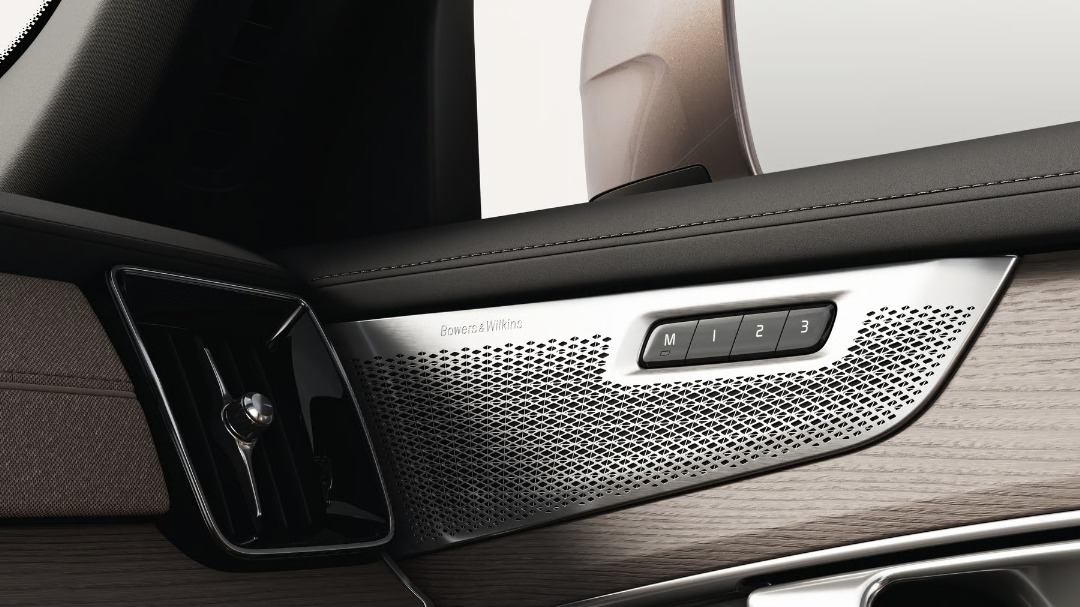
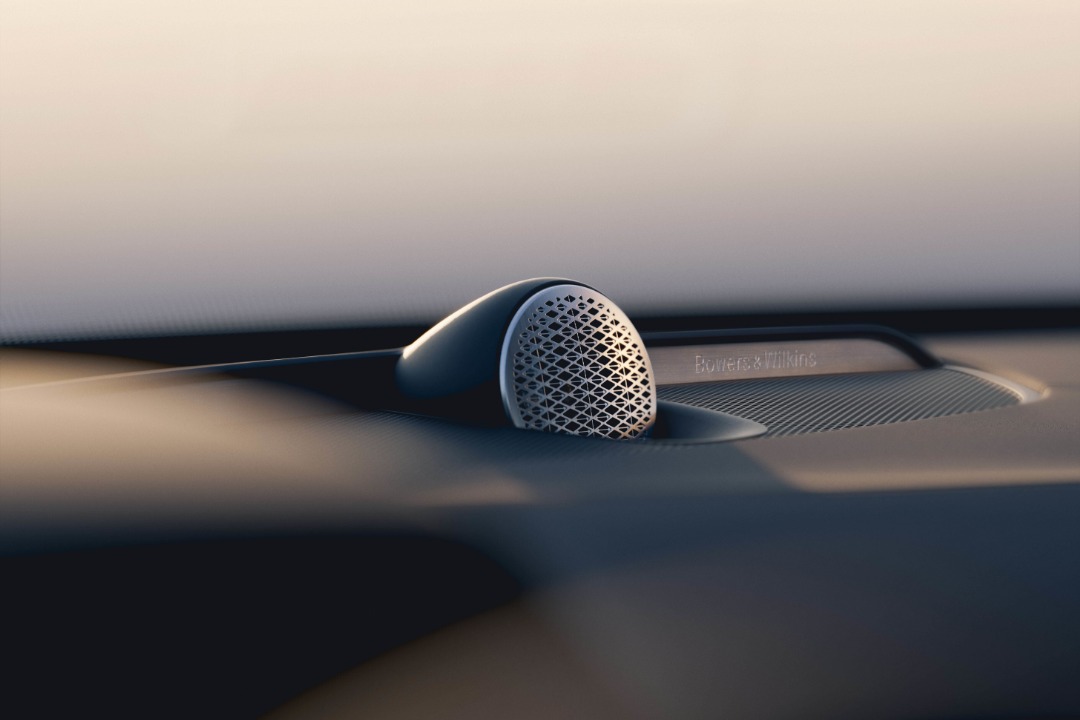
In this, the Ultra T8, the result is 19 speakers and 1,400 watts of power. A single tweeter sits atop the dash, derived from B&W's Nautilus design, which keeps windscreen reflections out of the picture and lifts the soundstage to ear level. The midrange cones use the silver Continuum material from the brand's reference 800 Series. A Fresh Air subwoofer is built into the car's structure instead of eating boot space, so there's no bulky box in the boot, and my Car Speaker Test playlist couldn't make anything rattle.
Still the one to beat
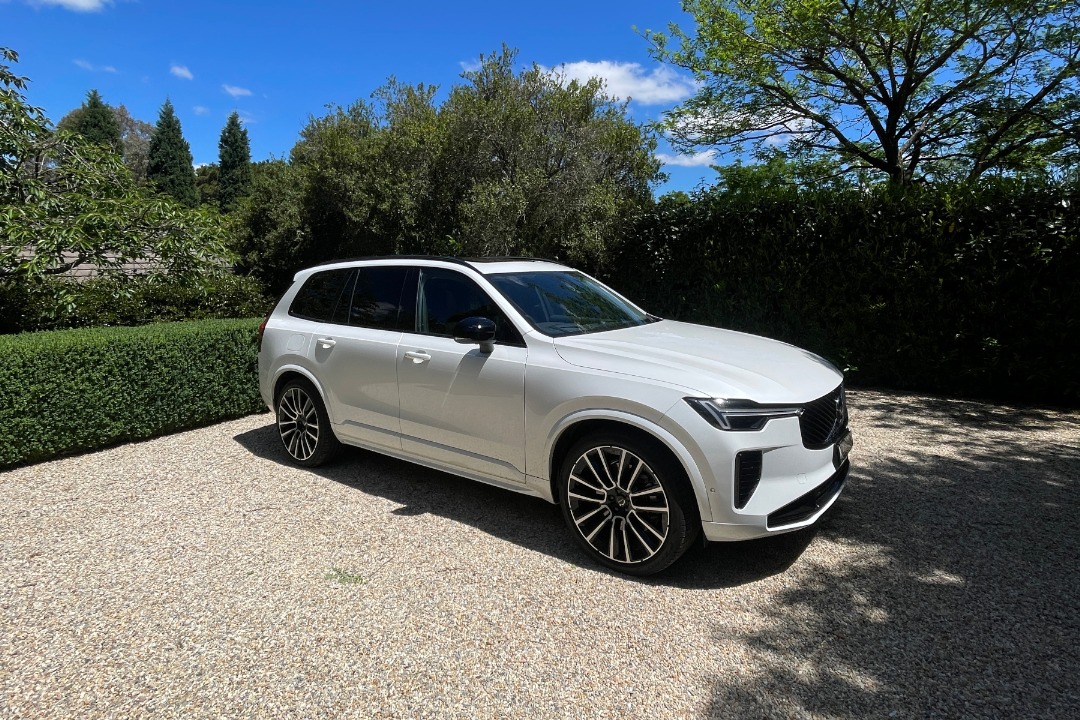
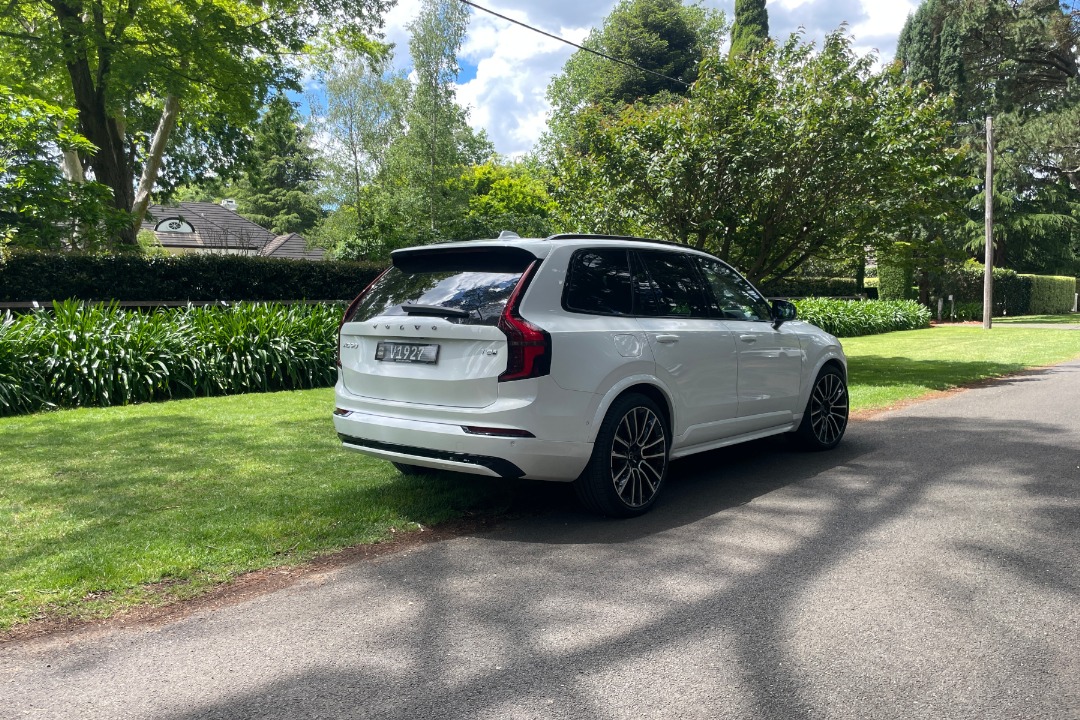
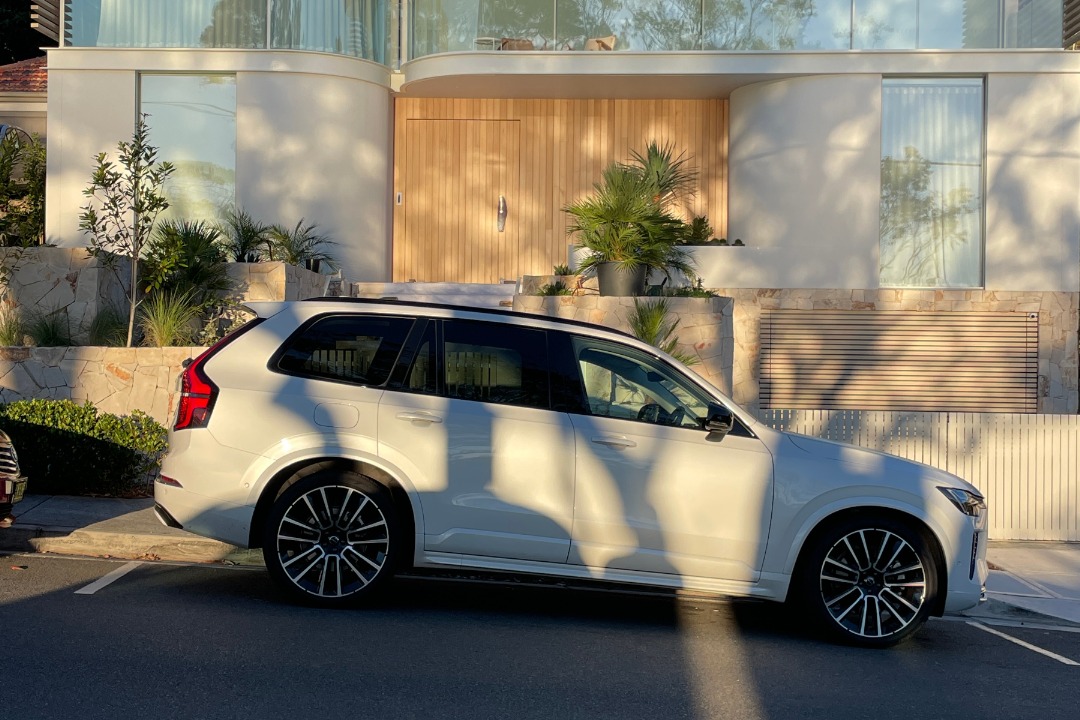
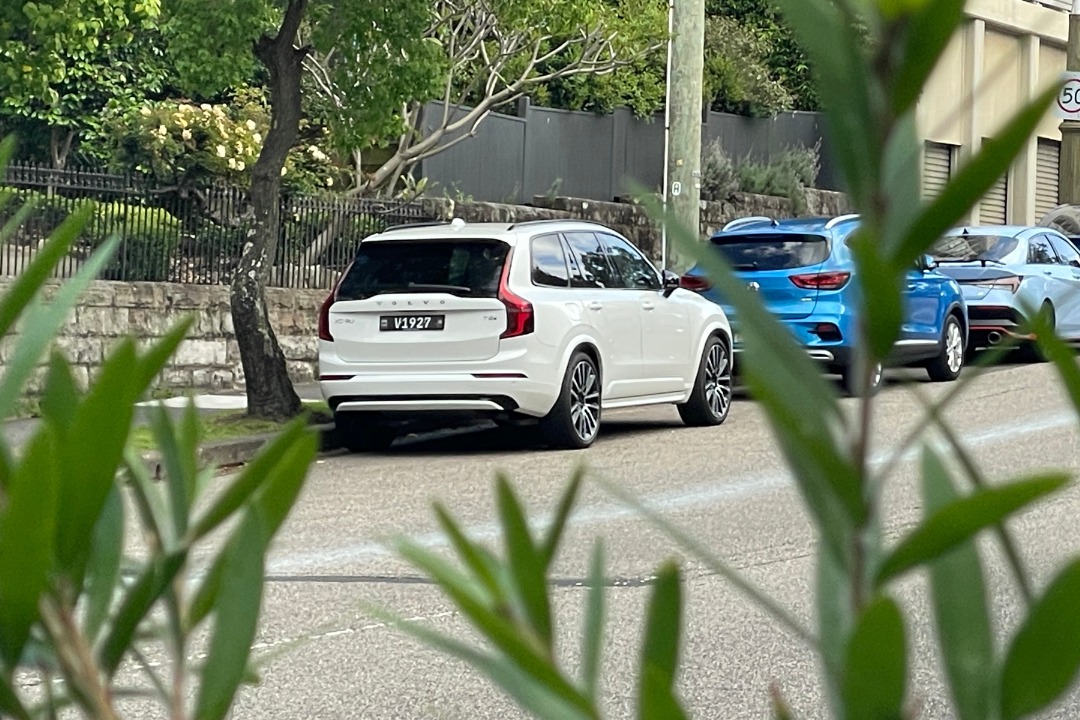
I've loved the XC90 for years. We very nearly bought one when the kids were young. Apart from the Audi Q7, no other family SUV does the three-rows-of-seating job as well, and this plug-in hybrid version brings it all together. The original car's design genius, now almost a quarter of a century old in spirit, is still visible: a clean, upright shape with nothing fussy about it. The test car, finished in Crystal White, sat on 22-inch 7-Double Spoke Black Diamond-cut alloys, with the signature Hammer of Thor headlights, a subtle rear spoiler, and a panoramic sunroof. From every angle, it looks contemporary and luxurious without shouting.
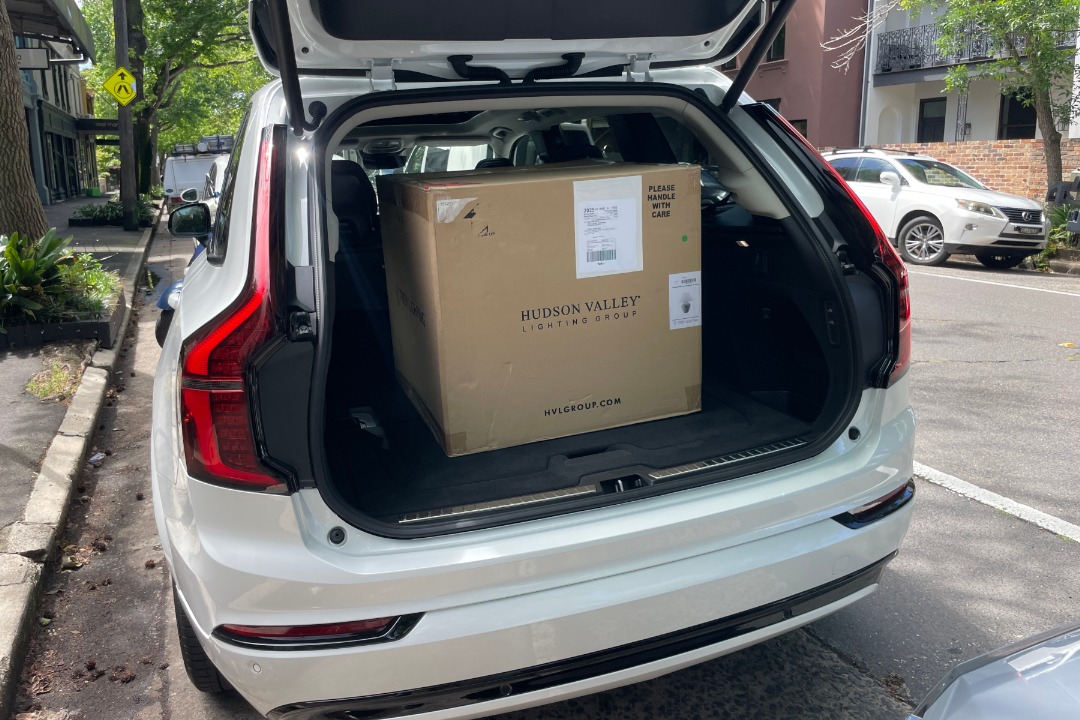
Like its predecessor, this 2026 XC90 swallows everything: people, luggage, pets, and cargo. Dropping the rear with the clever air suspension makes loading the class-leading 1,941 L boot space easy.
Its practical use of space reminds me of an early Top Gear episode in which Peter Horbury, then Ford’s design chief, said modern car shapes are intrinsically linked to national design identities. He brilliantly illustrated Swedish furniture design, with vivid parallels to Volvo car design. Back then, Volvo was owned by the "Blue Oval", so at the time of filming (late 2002), Peter would have been deep in the development of the first-generation XC90.
Everything he talks about with Jeremy Clarkson in that episode is still present on the XC90 today.
A Nordic room you never want to leave
The interior is beautifully simple and perfectly Nordic, and it's popular for good reason. This car has heated and ventilated Charcoal Nappa seats, Grey Ash décor and a Tailored Sport steering wheel. The driving position is perfect, and the visibility is excellent.
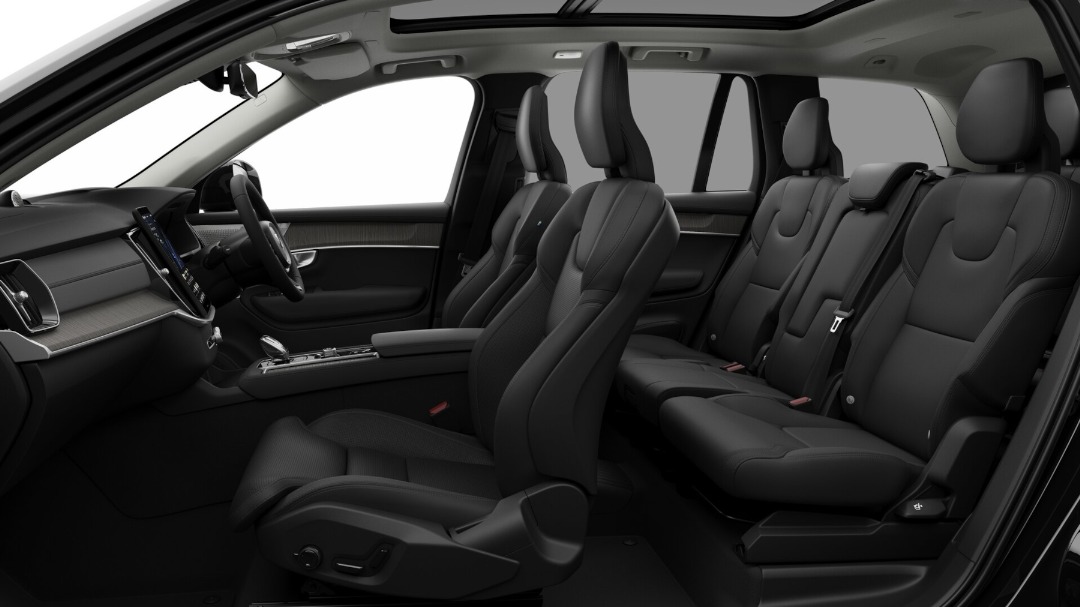
Getting in and out is the XC90's quiet superpower. It has the best ingress and egress of any seven-seater I've tested, third row included, and that matters when you're loading kids and bags at a servo, or adults at the pub. Four-zone climate control and third-row vents mean nobody in the back is forgotten, and there's inductive phone charging, wireless smartphone connectivity, and an 11.2-inch portrait touchscreen alongside a 12.3-inch driver display.
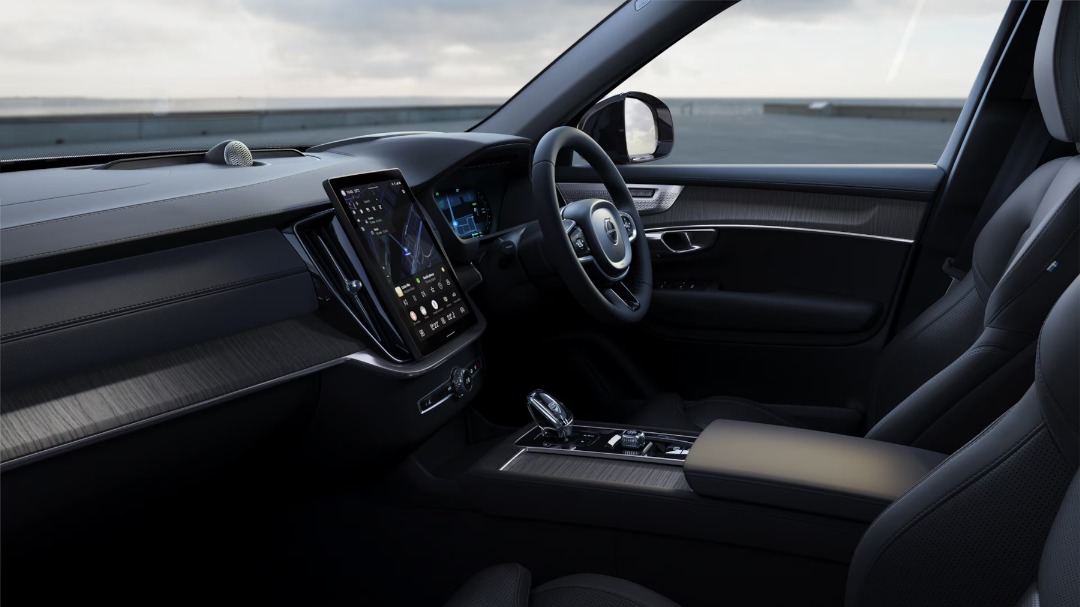
The screen is where I have a small gripe. The UI has no search function and lacks a logical hierarchy, so finding a setting you don't use daily means hunting through menus. Volvo should fix this with an over-the-air update. Google services, CarPlay and OTA capability are all on board, so there's no technical reason it can't happen.
Efficiency is the point
The powertrain is a turbocharged 1,969 cc four-cylinder petrol engine with an electric motor driving the rear axle, through an eight-speed automatic and all-wheel drive. Combined output is 233 kW and 400 Nm from the petrol side, plus 107 kW and 309 Nm from the electric, which makes it quite potent when you've got fuel and electrons onboard. Volvo claims 0-100 km/h in 5.3 seconds and a top speed of 180 km/h.
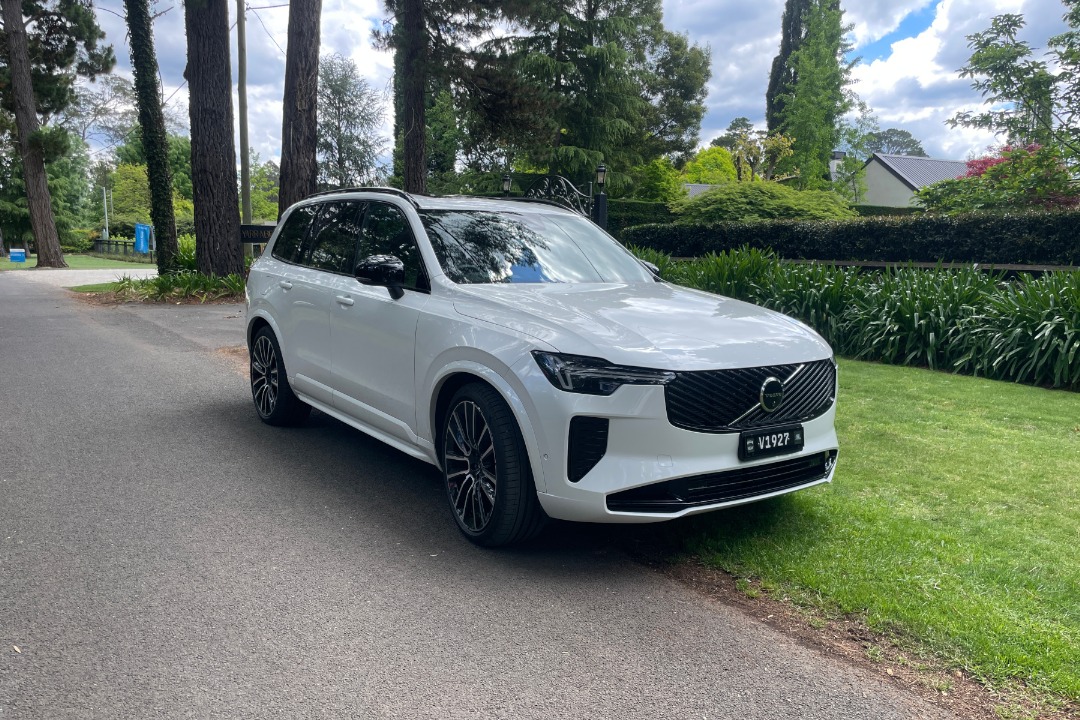
I'll say it plainly: the 2.0-litre is underpowered for a 2.3-tonne car, and you feel it when the battery is flat and you ask for a hard overtake. But that's the trade. The claimed combined fuel consumption is 1.8 L/100km, with CO2 emissions of 40 g/km, and the hybrid system is very efficient in practice. Astonishing economy is a fair trade-off for a bit of urgency. I saw 6.0 L/100km over almost 700km, including a lot of freeway driving where I was charging the 19kWh battery to use in full-EV mode back in the city, which gives you around 70 km of electric range.
The XC90 really earns its keep on the open road. The air suspension with Four-C Active Chassis is brilliant at reading what's under the tyres, and the drive modes are very well programmed for Australian conditions. Rough regional bitumen, highway cruising, and even a shallow water crossing: it adapts. It's comfortable, efficient, practical and luxurious, which is exactly what you want when the family is strapped in for six hours. It's totally built for road tripping. It's also the best plug-in seven-seater by a mile.
Safety
Unsurprisingly for a Volvo, the XC90 has an extensive list of active and passive safety equipment. Preventive systems include pedestrian, vehicle, and cyclist detection; intersection collision and oncoming mitigation with brake support; run-off road mitigation with steering and braking; blind spot information with cross-traffic alert; lane-keeping assist; adaptive cruise control; and Intelligent Speed Assist.
There's also a 360-degree camera with 3D view and front and rear park assist. Protective gear includes a driver's knee airbag, front side airbags, inflatable curtains, a whiplash protection system and ISOFIX on the outer rear seats.
Value and verdict
The Plug-In Hybrid XC90 range starts at $97,990 for the T8 Plus. This T8 Ultra PHEV lists at $130,990 (including GST and luxury car tax, excluding delivery charges). That's a lot of money, and I won't pretend otherwise. But it's the only true luxury three-row PHEV SUV you can buy right now.
What you're paying for is a seven-seater that's comfortable over six hours, has the best ingress and egress I've tested, and used 6.0 L/100km over almost 700km, with around 70 km of electric range for the city. Then there's the Bowers & Wilkins system: 19 speakers, 1,400 watts, and nothing rattling. If my family were doing real kilometres, this is the car I'd buy, and the sound system would be the clincher.