I'll be upfront: I wasn't expecting to be taken with the new Mitsubishi ASX. Mitsubishi's history with this nameplate has been a mixed bag, and the fact that this generation shares its platform with the Renault Captur - a car I'd describe as utterly forgettable - wasn't exactly building anticipation. But after a week in the Aspire, I came away with a view I hadn't anticipated. This is one of my standout cars of 2026 (so far). Not because it reinvents the wheel, but because it gets almost everything right at a price that most of the competition can't match.
At just over $40,000, the Aspire sits in the middle of the ASX range, above the entry-level LS and below the Exceed. It's the sweet spot, and Mitsubishi has loaded it accordingly.
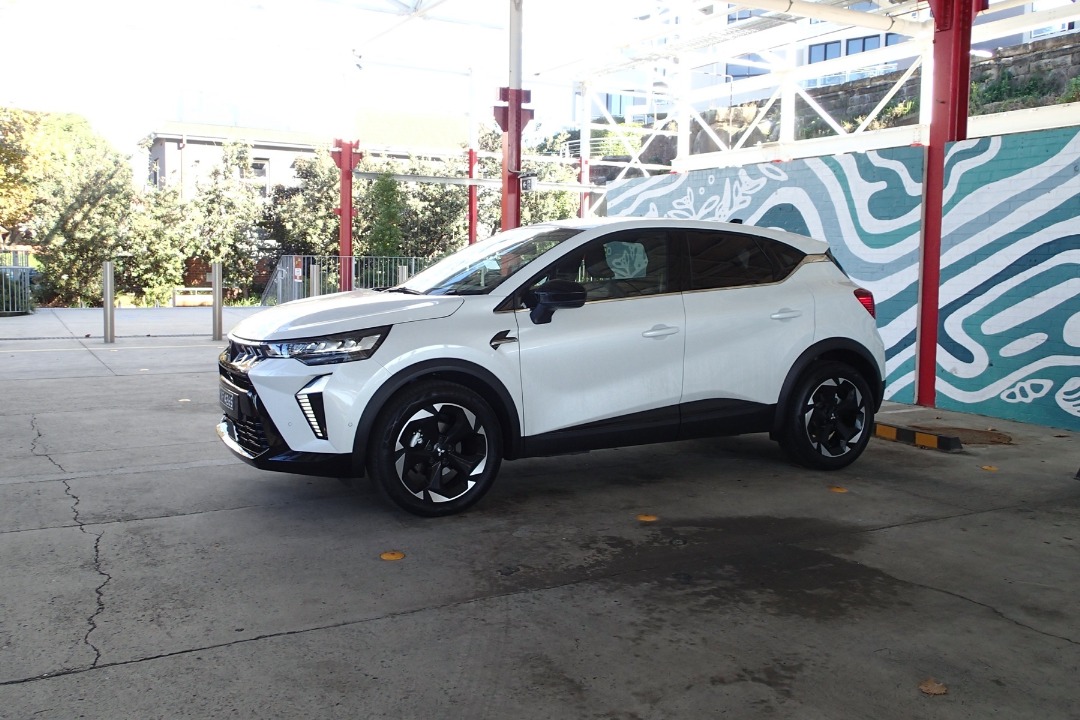
Design & Exterior
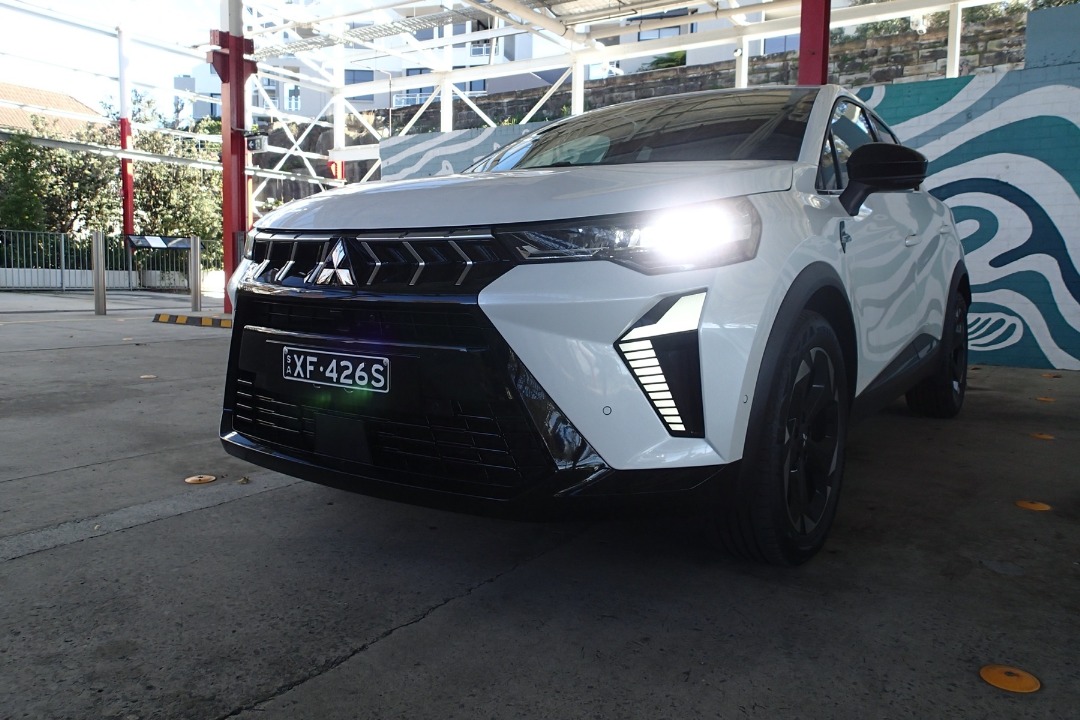
The ASX wears its European parentage well - far better than its Captur cousin. Where the Captur can feel a little fussy, the ASX reads as cleaner and more resolved. Mitsubishi's Dynamic Shield front treatment gives it a distinctive face that balances aggression with purpose, and the rear sits nicely with tidy light graphics and a solid stance. The lighting array, front and rear, is contemporary without being fussy.
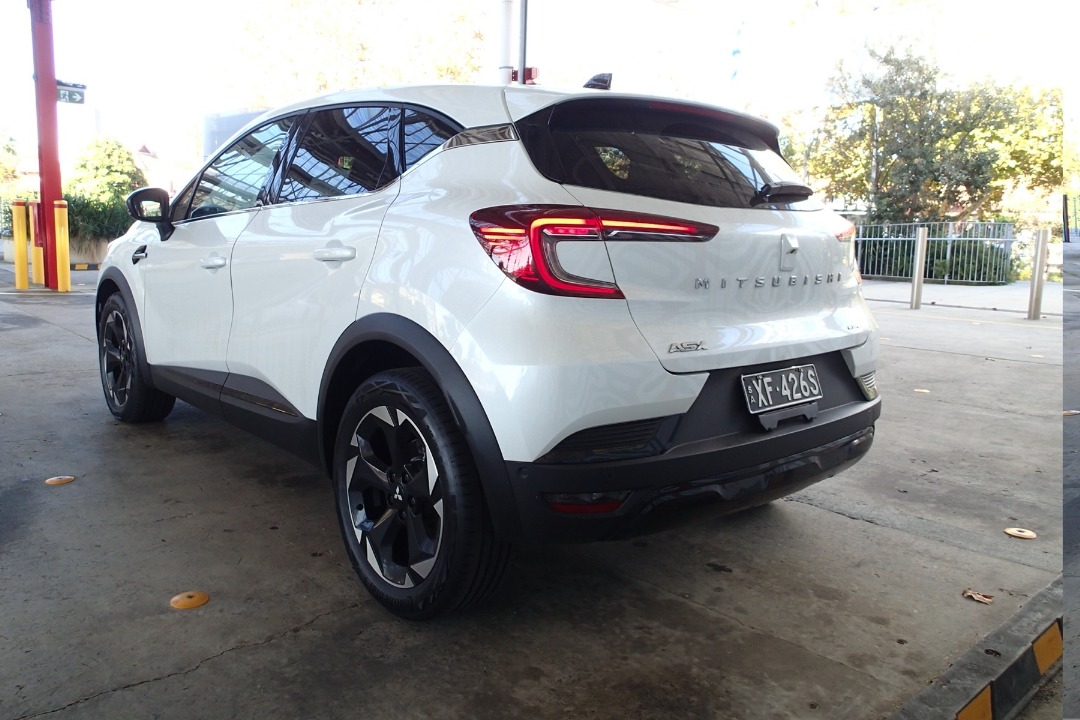
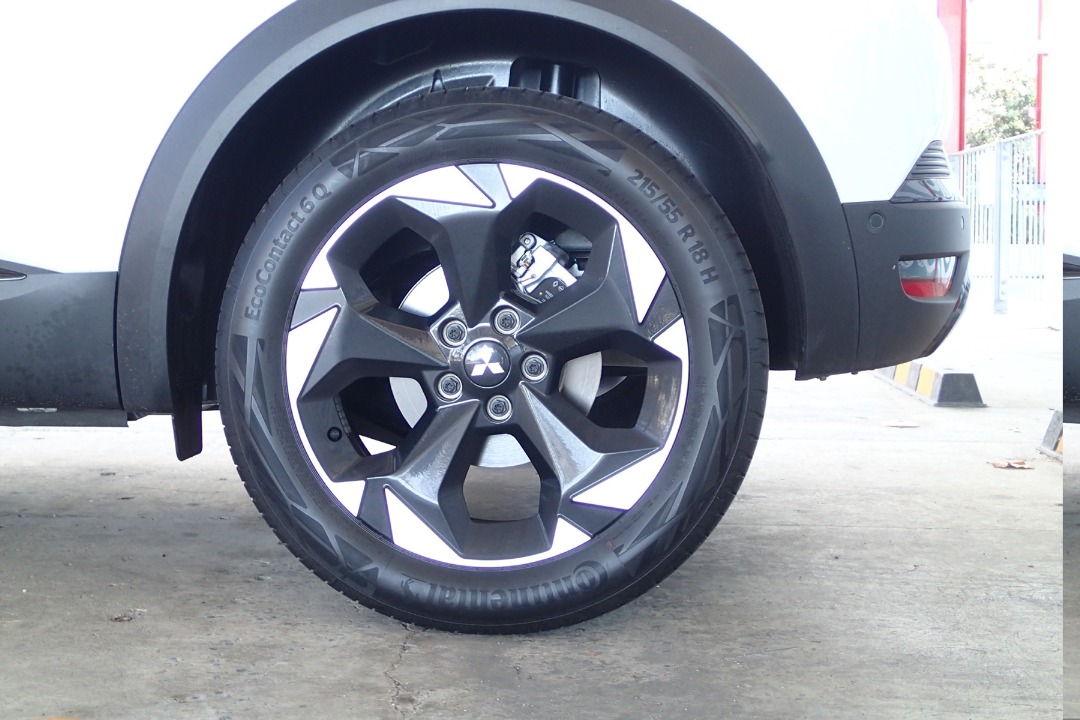
The Aspire rides on smart 18-inch alloys that fill the arches well, and the privacy glass, for what it's worth, adds a touch of premium you wouldn't expect at this price point. Colour choices are broad enough to find something that works for you - the token 'on-brand' red, a gorgeous dark blue, the Crystal White you see here, a dull as dishwater dark grey, and a smart black. It's a car that looks like it costs more than it does - which is exactly what you want when you're buying in this segment.
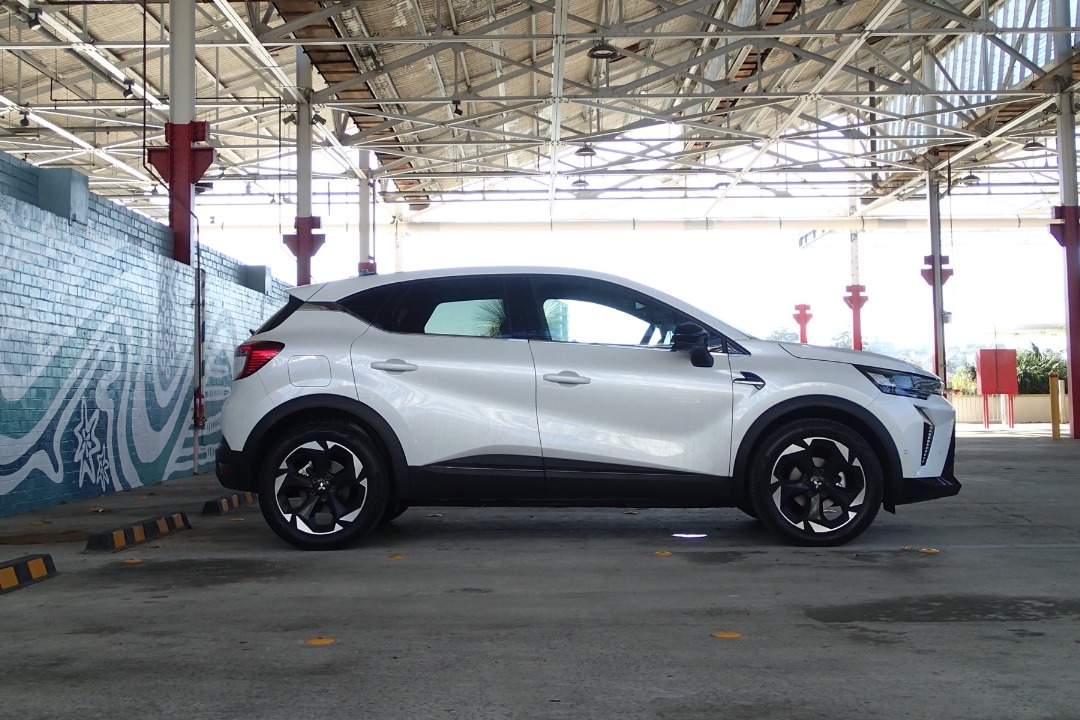
It isn't a design that's going to make purists weak at the knees, but it's cohesive, confident, and - critically - it hasn't overplayed its hand by trying too hard.
Interior & Technology
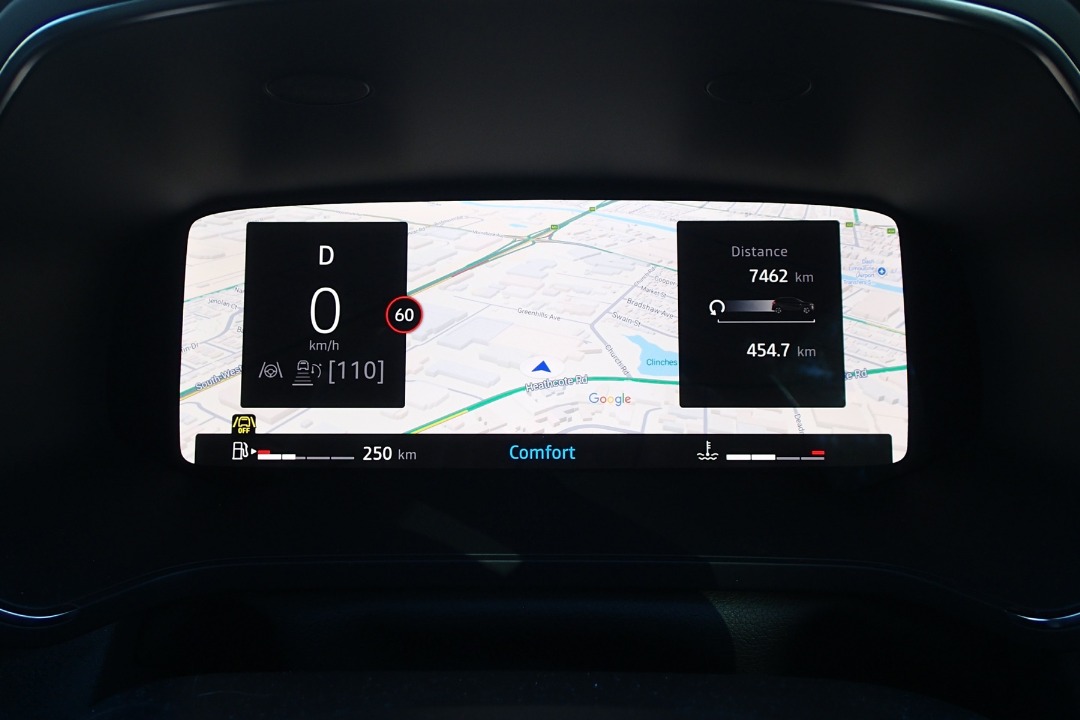
This is where the ASX Aspire makes its strongest argument. Slide inside, and you're greeted by a floating centre console with a stubby 'e-shifter', a 10.4-inch responsive portrait touchscreen, and a configurable 10.25-inch TFT driver display. The layout is intuitive, the materials are above-par for the class, and the whole cabin feels a cut above what a $40,000 price tag usually delivers.
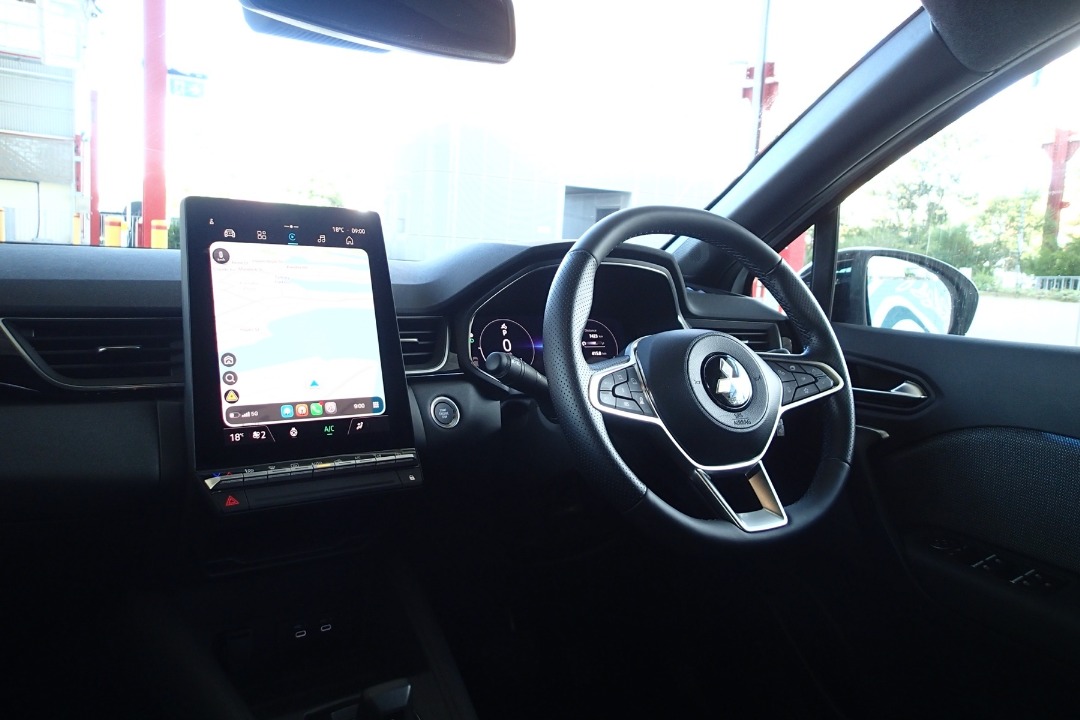
But the headline feature is Google built-in - not Android Auto, not a mirroring solution. Native Google, baked into the system, with Google Maps, Google Play, and Google Assistant running directly on the car's hardware. This is genuinely a better experience than most manufacturer-centric infotainment systems, and the day-to-day usability difference is meaningful. Navigation that's always current, apps you already use, voice commands that actually work. For anyone who's spent time fighting with a proprietary system that's two software generations behind, this is a revelation. I do have to tip my hat to Volvo, which has done this for some time with Google.
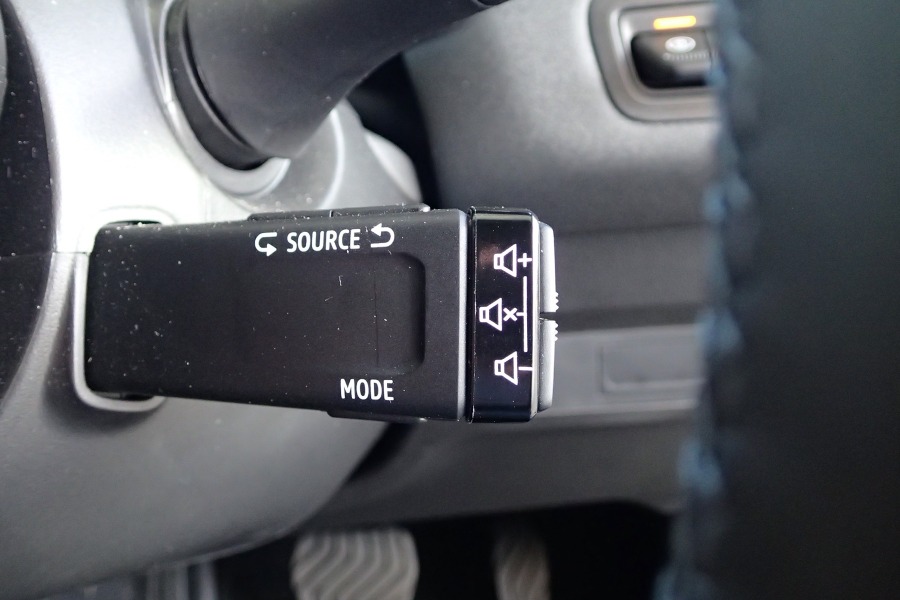
Where Mitsubishi and its donor go quite off the rails is the audio controls on a third steering column stalk. My first experience with this unique approach was in the Renault Koleos in the depths of Covid, where ones patience was already fractious. I very nearly handed it straight back. Not much has improved in five years. It's in no way intuitive and takes quite a lot of getting used to.
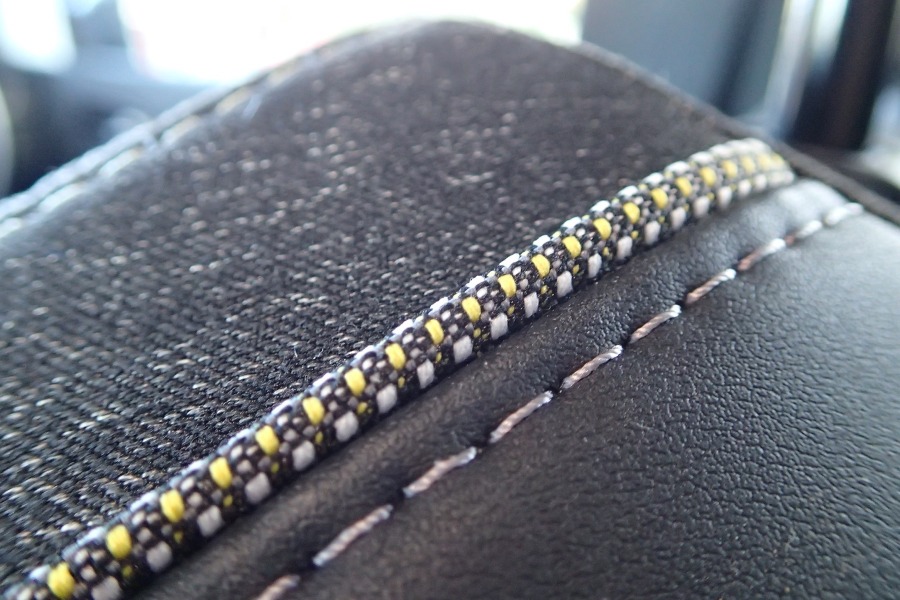
A quartet of USB-C ports and wireless charging, a heated steering wheel, ambient lighting with multiple colour options, drive modes across Eco, Comfort, Sport, and the customisable Perso setting - the Aspire doesn't feel like a stripped-down mid-spec. It feels properly equipped. The cloth seats, made of recycled plastic, are very pleasant to get in and out of and don't cause undue aches on longer trips.
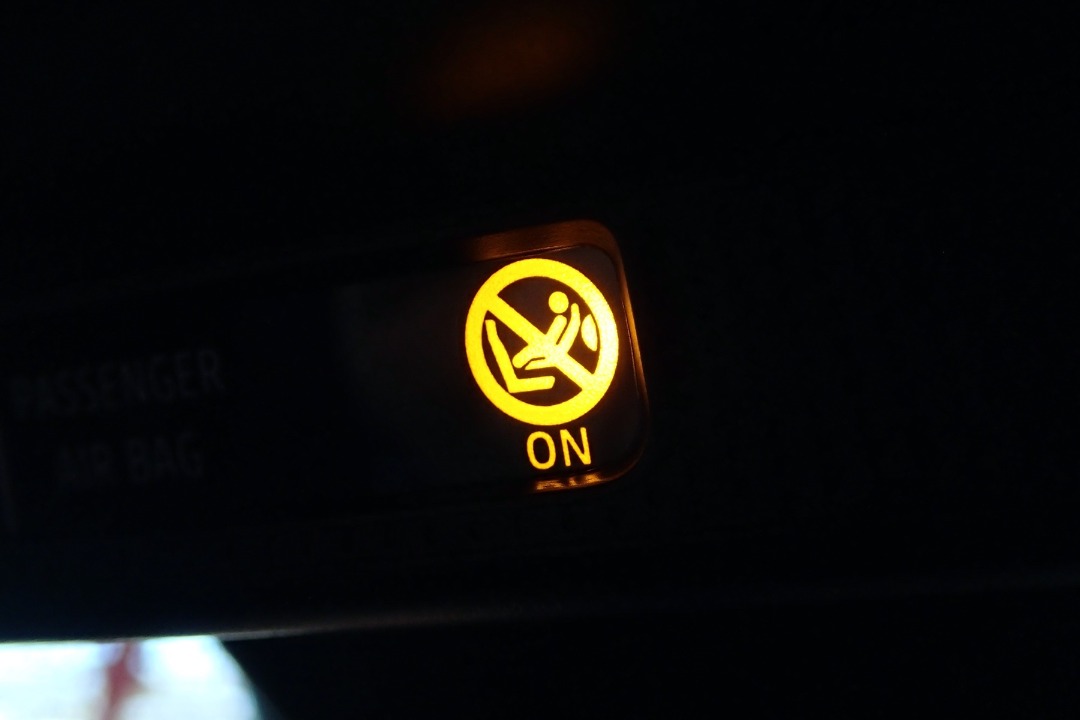
One legitimate gripe: the passenger airbag light in the roof-console is unbelievably bright. On night drives, it becomes a genuinely distracting presence in the cabin - the kind of thing you'd normally expect to find mentioned deep in a forum post, but that should have been caught and corrected in development. It's a small complaint in the context of an otherwise well-resolved interior, but it's real, and it's very annoying.
Performance & Driving Experience
The ASX isn't trying to be a performance car, and it doesn't pretend otherwise. What it does well is deliver a composed, comfortable driving experience that rewards sensible driving more than spirited inputs - which, for its target audience, is exactly the right call.
The Mi-Pilot system - Mitsubishi's semi-autonomous driving suite - combines Adaptive Cruise Control, Traffic Jam Assist (which will resume from a standstill automatically within 30 seconds), and Lane Centring Assist into a package that genuinely reduces fatigue on long hauls and in stop-start traffic. It works smoothly and consistently, without the nervous, over-correcting behaviour you sometimes see in cheaper implementations.
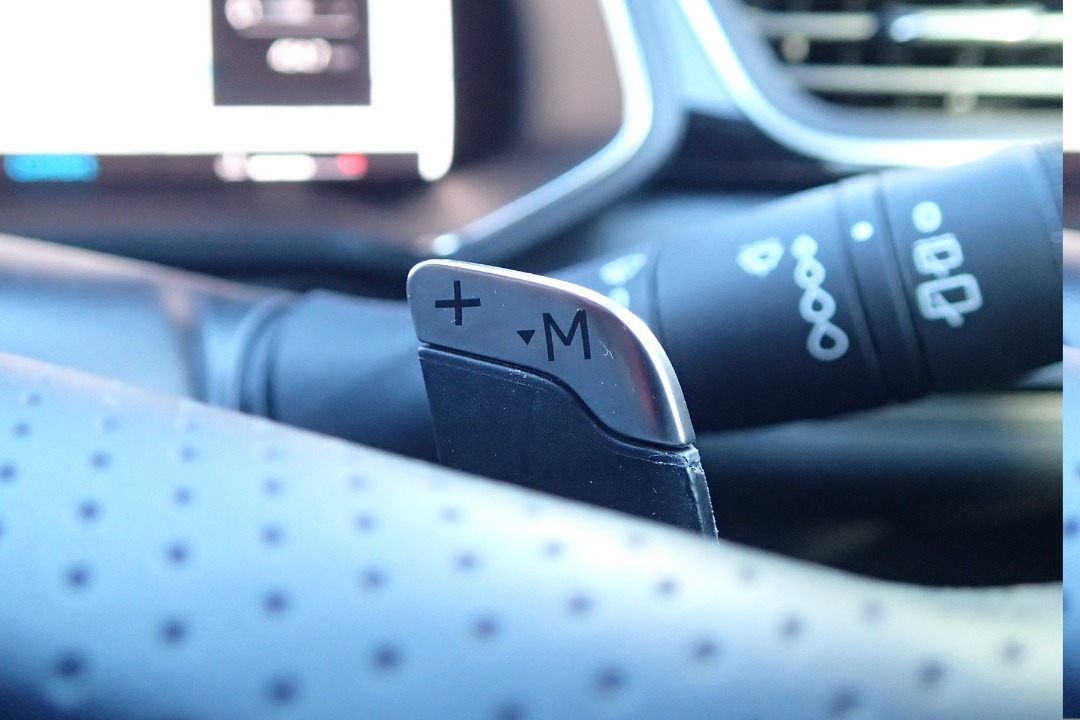
Drive modes shift the character meaningfully between Eco (snoozy, relaxed, but efficient), Comfort (the daily default), Sport (sharper throttle response, firmer feel), and Perso, where you can mix your own preferences. They're not transformative, but they're genuinely useful - and the Perso mode in particular is a nice acknowledgement that one-size-fits-all rarely does. The ASX gives you shifter paddles behind the wheel, but these aren't what you'd call 'enthusiastic engagement'. They are purely functional and don't deliver any real day-to-day thrills.
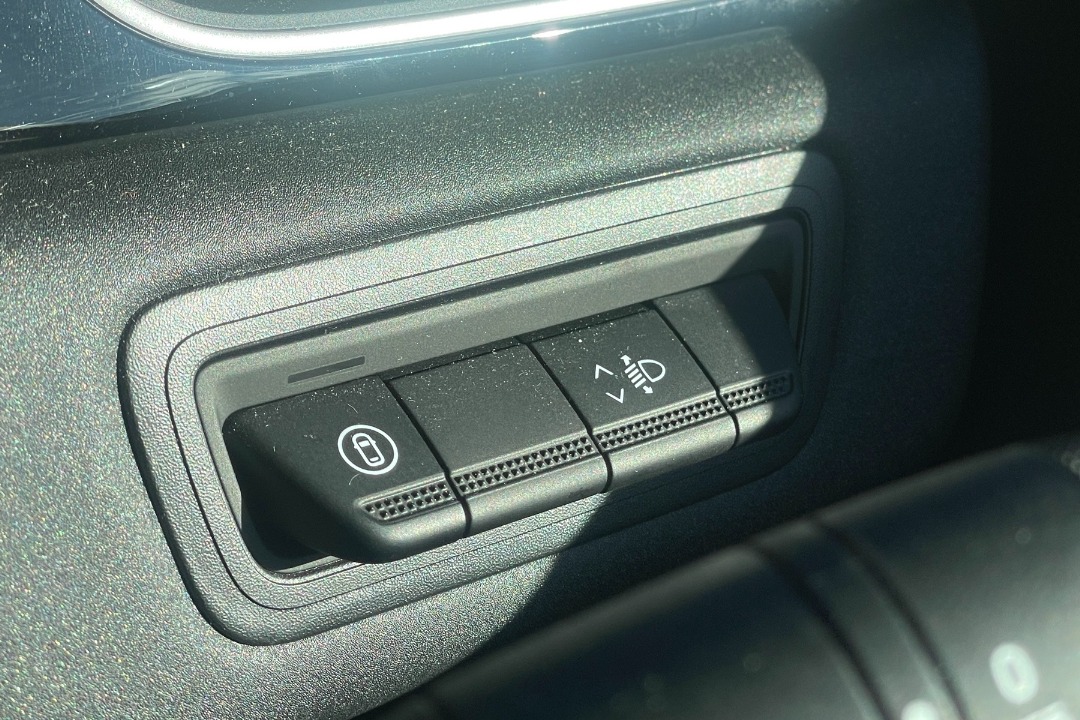
The single best feature I found in this car, though, is simple: a single button to disable all the ADAS systems at once. No menu diving, no hunting through settings, but you will need to press it each time you start the car. One button. Off. Done. In a segment where every manufacturer seems to have decided that knowing better than the driver is a feature, this is a quiet act of respect for the person behind the wheel. More of this, please!
Ride quality is settled and confident, handling is predictable if not inspiring, and visibility is good. The 484-litre boot with its split-level floor handles practical loading well, and the 60/40 folding rear bench adds flexibility when you need it.
Safety
The Aspire's safety suite is comprehensive. Forward Collision Mitigation handles vehicle, pedestrian, and motorcyclist detection with autonomous braking intervention. Emergency Lane Assist can steer the car back into its lane if it's about to cross unintentionally at 65km/h and above. Blind Spot Warning and Rear Cross Traffic Alert are both radar-based. Safe Exit Assist warns you before you open the door into oncoming traffic or cyclists. Front, rear, and side parking sensors complete the picture, alongside a rear-view camera.
It's a full stack. There are no obvious gaps, and the systems behave in a way that adds genuine confidence without becoming overbearing.
Mitsubishi also backs the ASX with the Diamond Advantage program: 10 years/200,000km warranty (when serviced at a Mitsubishi dealer within scheduled intervals), 10 years/150,000km Capped Price Servicing across the first 10 services, and 10 years of Roadside Assistance. For a buyer who wants medium-term certainty, this is a strong commitment from the manufacturer.
Value & Verdict
At just over $40,000, the ASX Aspire gives you a handsome car with 18-inch alloys, built-in Google, a 10.25-inch TFT instrument display, wireless charging, Mi-Pilot, Blind Spot Warning, Rear Cross Traffic Alert, a heated steering wheel, ambient lighting, customisable drive modes, a decent-sized boot, and a 10-year warranty. That list, at that price, is hard to argue with.
Broader-segment equivalents cost more and offer less. The Toyota C-HR at this trim level is close but doesn't have native Google. The Mazda CX-30 is a better driver's car but costs you features to get there. The ASX Aspire occupies a gap that it fills almost perfectly - genuinely well-equipped, decent to drive, and priced to make most of the competition look like they're padding the bill.
My only complaints after a week are just that - weak...but not without some merit. That airbag light at night will drive you batty, and the driving experience is comfortable and capable but unlikely to generate any strong feelings. That said, this isn't a car that will make you look for excuses to go for a drive. But it'll make every drive you have to take feel very pleasant, and at this price, with this kit list, that's a very solid deal.
If you're shopping in the small SUV segment with around $40,000 to spend, put the ASX Aspire on your shortlist before you do anything else. I think it's earned it.