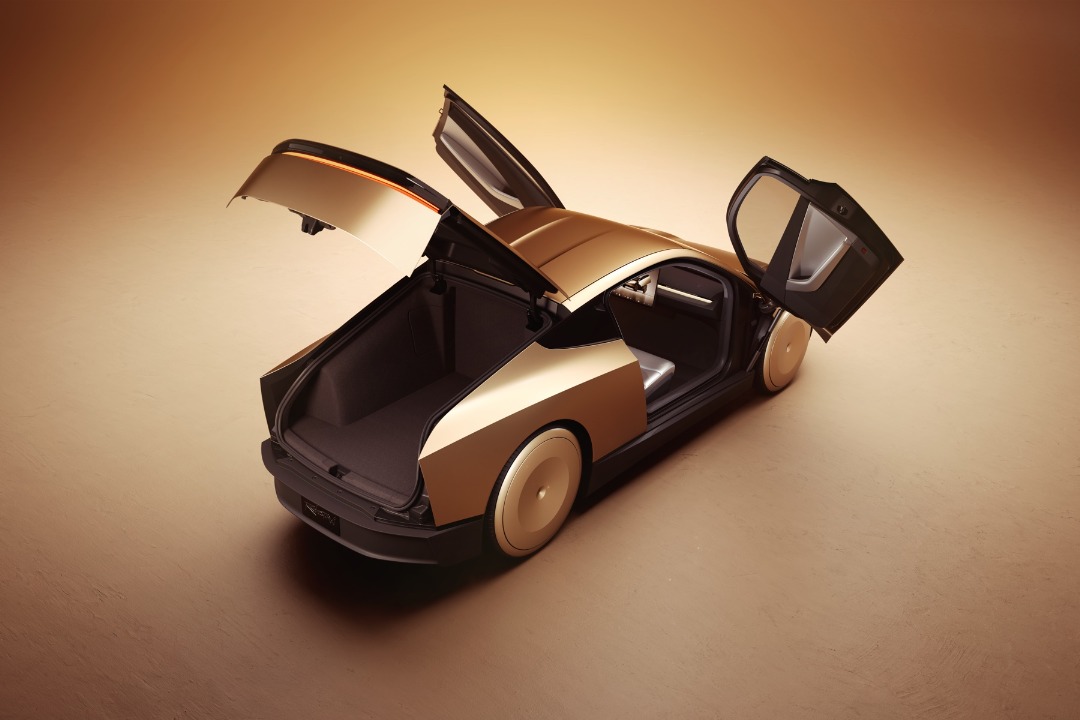
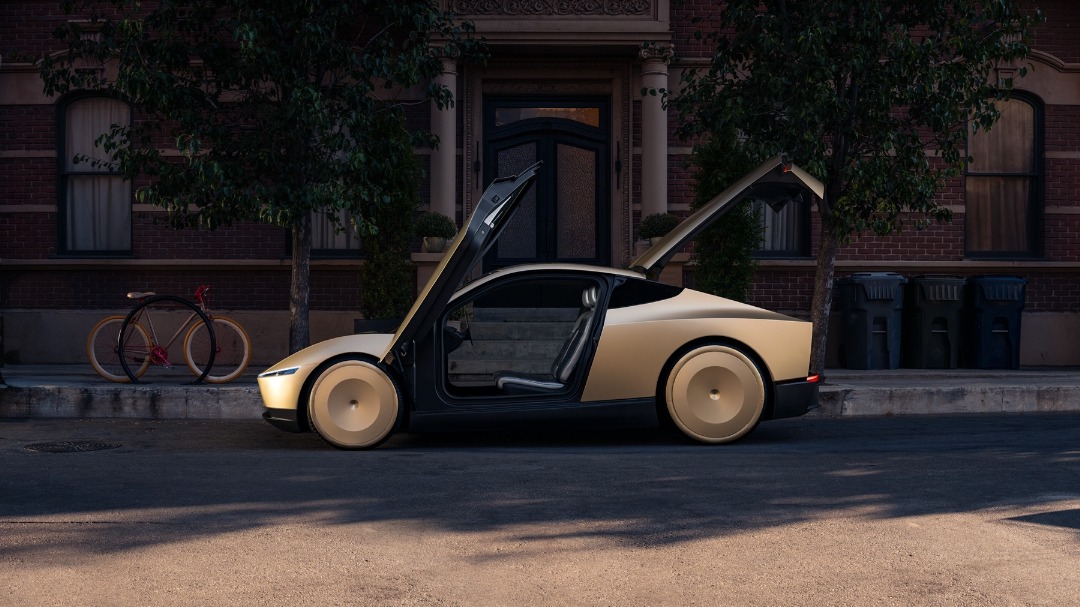
The tech world spent this past weekend losing its collective mind, and for once I understand the reaction. Tesla has launched its paid, driverless Robotaxi service in Austin, Texas, and the car doing the grunt work is the fully autonomous Cybercab: a two-seat metal pod with no steering wheel, no pedals, and no way for a human to take over. You open an app, a car with no driver pulls up, the door swings up like chicken-wings, and off you go. It is the closest thing to the science-fiction Jetsons promise that anyone has actually put on a public road and charged money for.
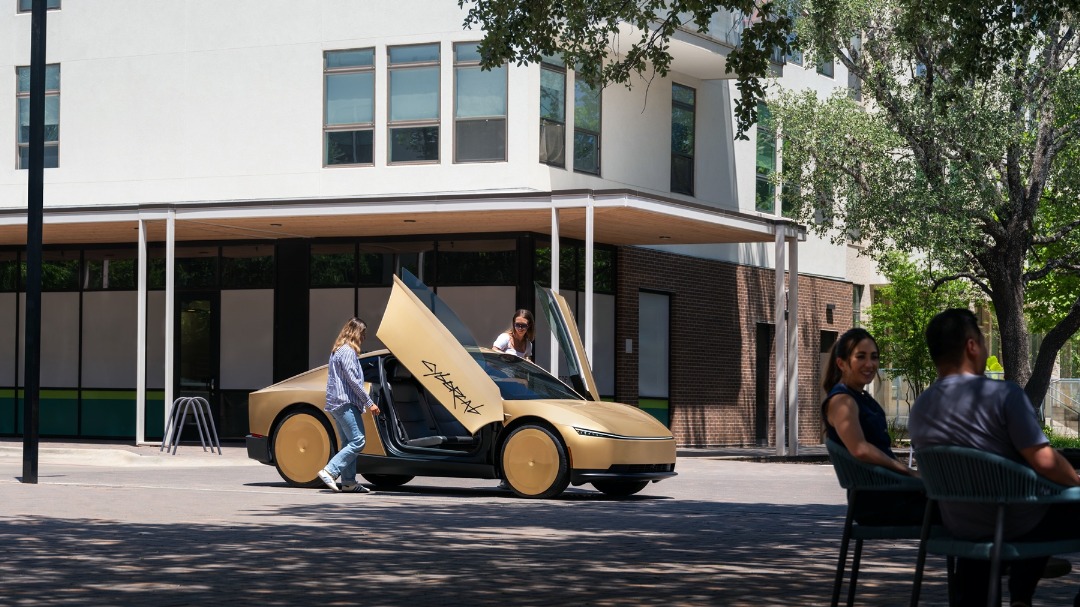
So it's worth being clear about what this thing is. And it's just as worth being clear that if you're reading this outside the US hoping to hail one, you'll be waiting a very long time.
A clean-sheet car, not a converted Model Y
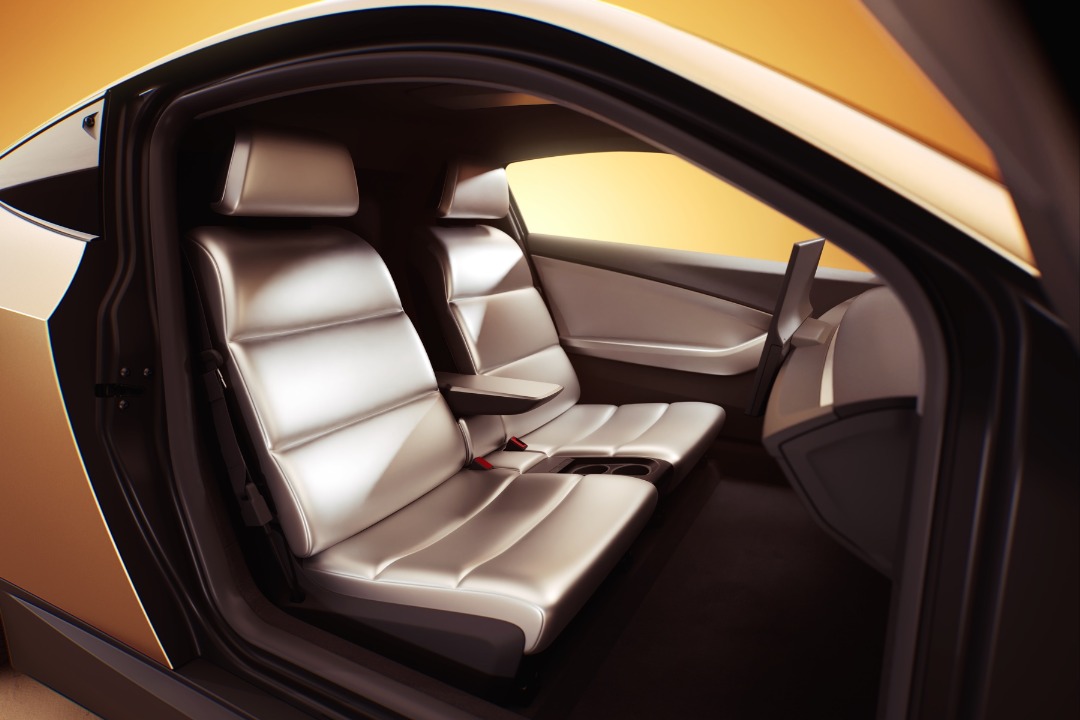
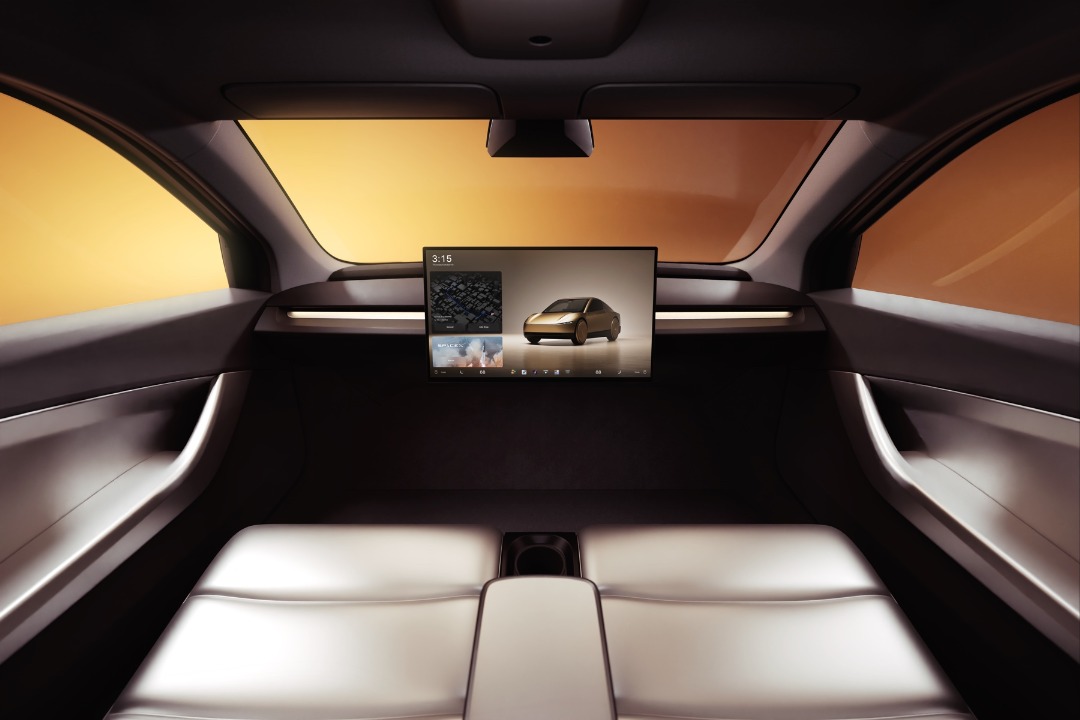
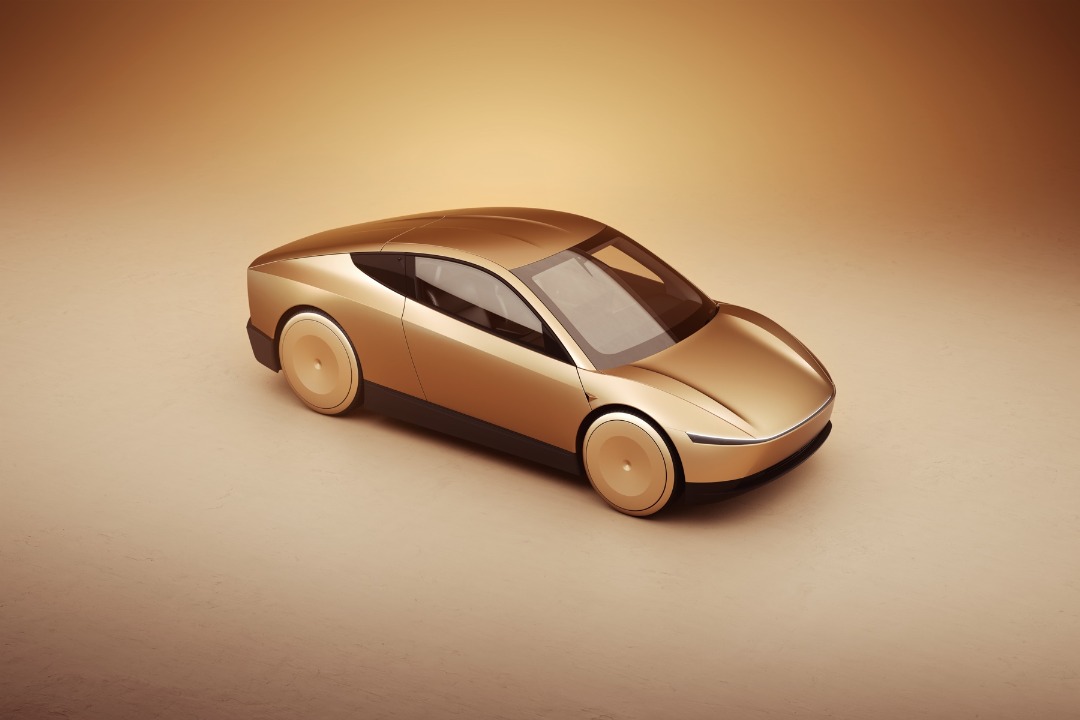
The important detail people keep glossing over is that the Cybercab is not a Tesla with the driver removed. The early test mules used modified Model Y body shells to prove out the structure, but the production car is a purpose-built chassis designed from scratch for unaccompanied autonomy. There is no steering column assembly, no pedal box, no glove box. The interior has two seats and a touchscreen, and that's the lot.
Tesla builds it using what it calls its unboxed manufacturing process, with the structural underbody made from large single-piece gigacastings, including a compact rear casting engineered without the usual lateral wheel-arch slide cores so they can free up rack and storage density. If that sounds like nerdy engineering talk, the point of it is simple: fewer parts, faster assembly, cheaper cars. Mass production, unsurprisingly, runs out of the Tesla Gigafactory in Austin, where the first units started rolling off the line in early 2026.
The numbers that matter
Because this is a 'robotaxi' and not a car you'll ever drive, the spec sheet is oddly domestic. There's no power or range figure in the rider guide, because you're a passenger, not a driver. What you get instead is the shape of the thing you sit in.
It's low and wide: 1,754mm across, just 1,408mm tall, with a step-in height of only 419mm and 144mm of ground clearance. The bench seats slide back and forth together, with backrests that recline independently but only to less than 35 degrees, and fixed head supports that can't be adjusted. There's a 572-litre boot rated to 100kg, and no front boot (frunk) at all. USB-C charging, a climate system you can't fully switch off, and fragile windows that don't fully wind down.
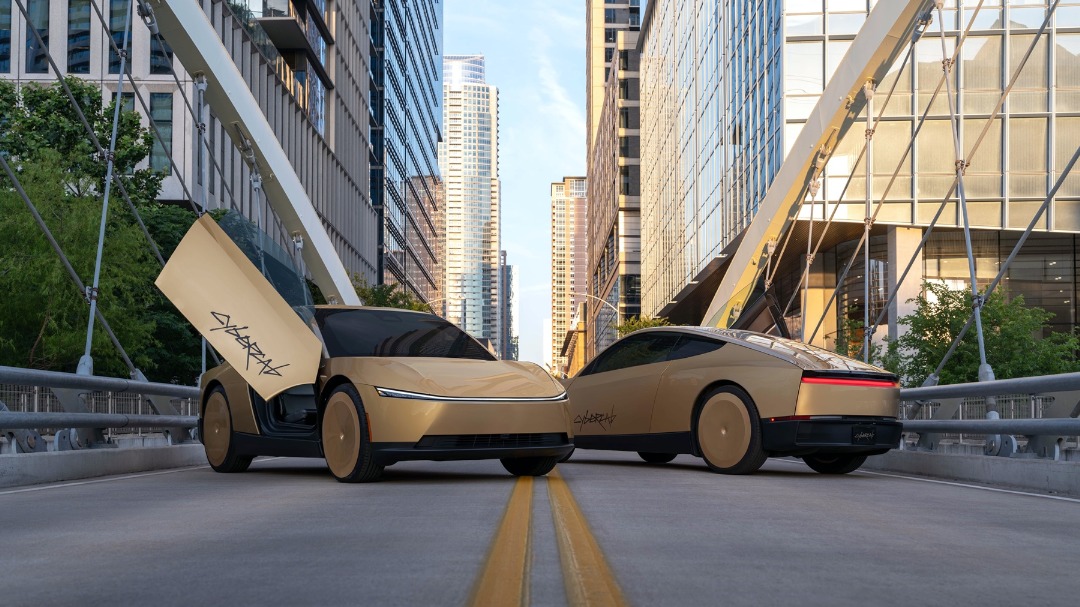
Then there are the rules baked in. An in-cabin camera watches for occupancy and, if you call support, for a human operator to check in. Nobody under 13 is allowed unsupervised in the car. There are no ISOFIX points, so any capsule or booster seat has to be belted in the old-school way. And a physical STOP button lives between the dome lights for when things go wrong. The famous doors swing outward and upward - more like a chicken than a butterfly - and there's a mechanical release if the car loses power, with a genuine warning in the manual that the window might shatter when you pull it. It's a fascinating little document, part car manual, part terms and conditions for trusting a robot with your life.
Now for the Australian reality check
Here's where the excitement runs into a wall, and I think it's a wall in the Pacific and Atlantic Oceans.
The Tesla Cybercab in Australia is not a near-term proposition. It isn't a case of Tesla shipping a load of them next quarter - there are no left-hand drive / right-hand drive considerations, which makes production very clean. Autonomous ride-hailing here is stuck between a regulatory process that moves at the pace of, well, government process, and a culture that embraces mass transit.
NSW Premier Chris Minns has said publicly that he's in favour of trialling driverless taxis in Sydney - he could say anything, really. However, previously undisclosed documents released under freedom of information laws show that Transport for NSW has thrown up roadblock after roadblock for the companies actually trying to get here. Waymo, the Google-owned operation that is arguably further along than anyone on real-world autonomous miles, believed it was closing in on a NSW trial. Instead, it was told it faces a seven-stage approval process expected to take several years. Tesla is in the same queue.
It's all moot as far as I'm concerned. If you look at the dynamics of a city like Austin, Texas, you could not find more contrast to European, Asian, and Oceanic markets. Austin has almost no public transport, very little on-street parking, and everything north and east of the Colorado River is Denmark flat. It's almost everything the rest of the world is not.
So you've got a Premier waving the flag out the front of Macquarie Street while his own department quietly builds a maze out the back. And we've got local governments that hate the car so much they will do anything to thwart autonomy of any kind long before the state and federal governments have to give it a second look. That gap between political enthusiasm and bureaucratic reality is the whole story of autonomy in this country, and if you've read anything else I've written, you'll know that kind of thing makes me want to throw something.
The verdict from a long way away
The Cybercab is the real deal as an engineering statement. A ground-up autonomous vehicle, mated to a paid service, carrying members of the public in pairs with nobody behind a wheel that doesn't exist. Whatever you think of Tesla, that is a genuine milestone, and Austin gets to live in the future for a while.
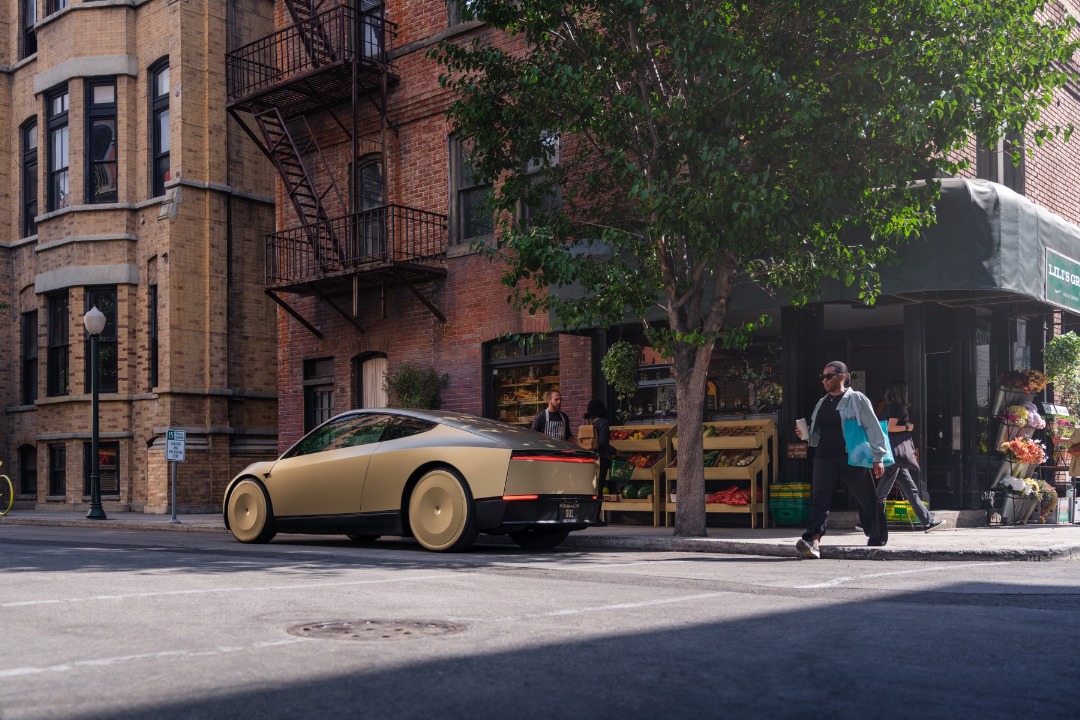
But the Tesla Robotaxi in Australia is a headline, not a plan. The technology is arriving, slowly, and one day a version of this might work here. That day is being set not by Tesla's factory in Texas but by a seven-stage approvals process and a transport department that seems far more comfortable saying "not yet" than "let's try". For now, the closest most Australians will get to a Cybercab is watching a shaky phone video shot by someone squeaking from the footpath (sidewalk) in Austin as one glides past in all its golden glory.