Here is the thing about the Range Rover Sport. It is one of those rare cars that transcends the spec sheet in the Australian market. You see them everywhere money lives, from the school pick-up lines in Mosman and Bellevue Hill to the ski-field car parks at Mt Hotham, and the Surf Club in Noosa. They sell not because they are the most rational choice (far from it) but because they are the default choice for a certain kind of Australian family. So when the Land Rover team at Gaydon in Warwickshire decide to make it fully electric, the interesting question isn't really about the engineering. The engineering, as we'll see, is formidable. The question is whether the people who buy these things actually want it as an EV, and whether $226,518 before on-road costs is a number they'll wear to find out.
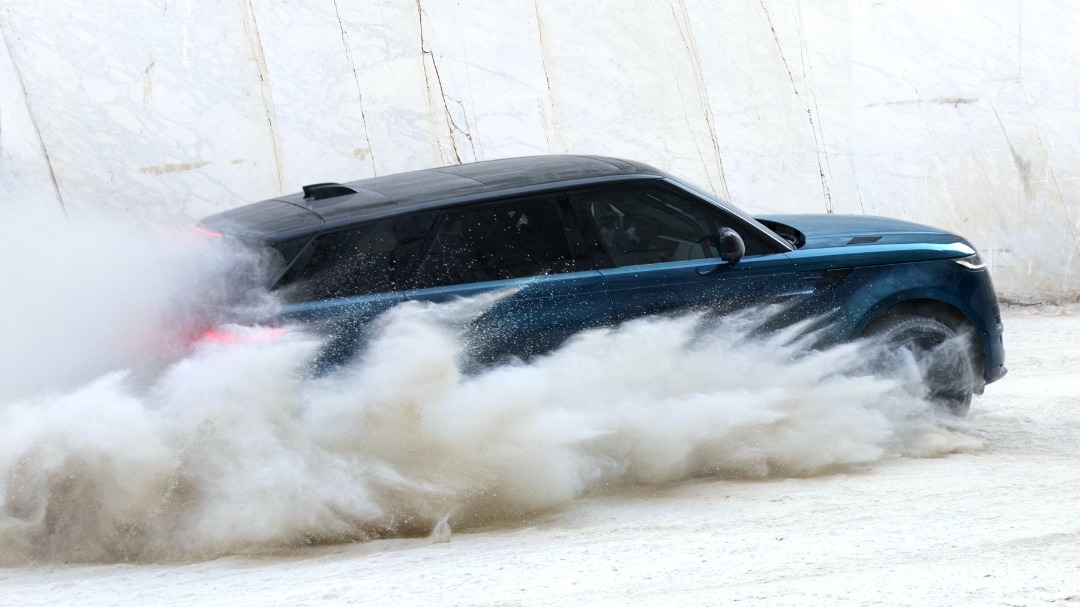
Let's deal with the car first, because it's genuinely impressive. The Range Rover Sport Electric is powered by a 118.5kWh lithium-ion battery feeding two 260kW electric motors, one on each axle, for a combined 404kW and 850Nm. That torque figure is the most of any Range Rover Sport ever built, petrol V8s included, and it's delivered with the instant, seamless shove only an EV can manage. The 0-100km/h sprint takes as little as 4.5 seconds with Dynamic Launch Mode engaged, which Land Rover points out matches the old P530 V8. Top speed is 200km/h. This is a 2.77-tonne luxury SUV that accelerates like a hot hatch and does it in near silence.
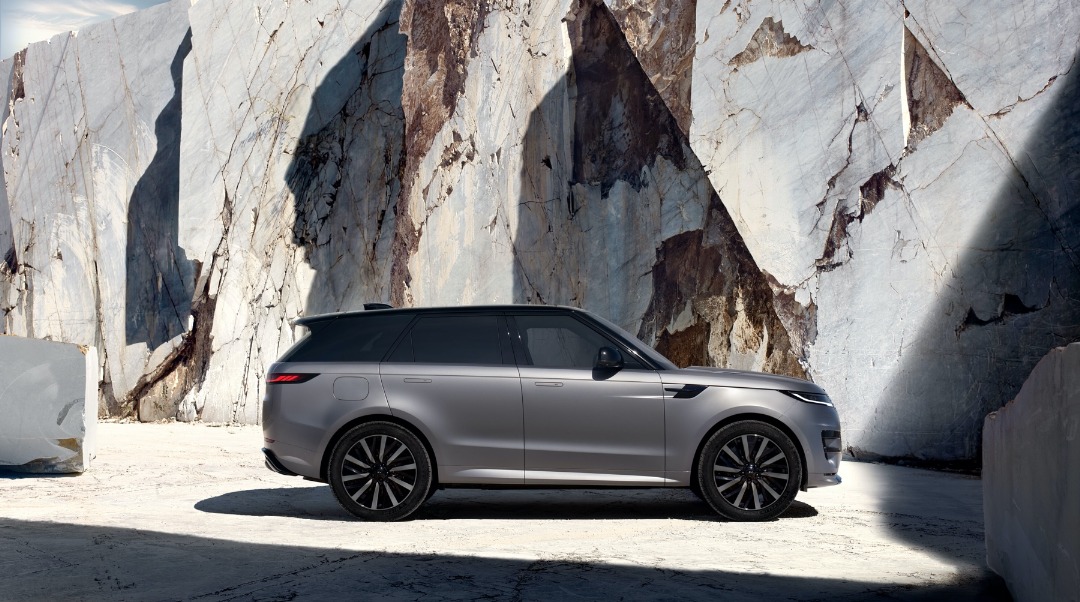
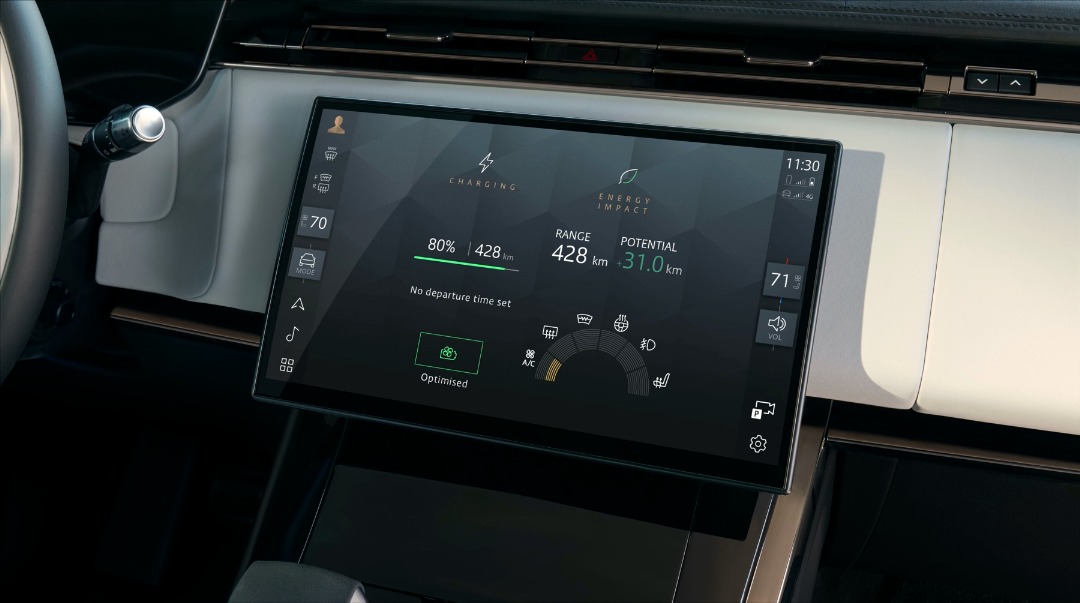
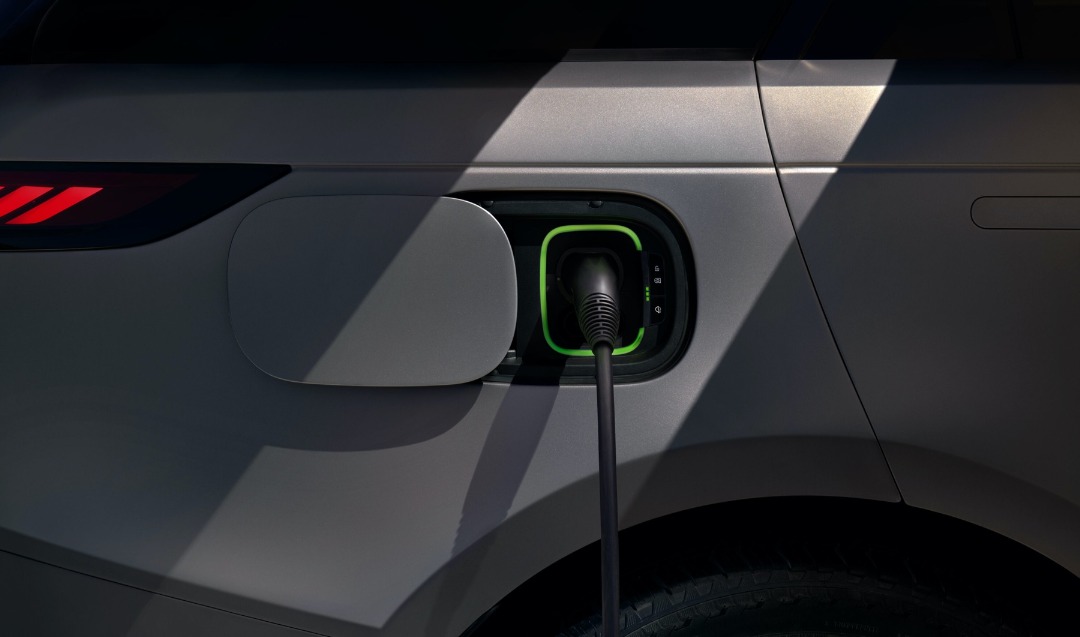
The battery is the clever bit. It's an 800-volt architecture, the first JLR has designed and built in-house, using a twin-stacked cell-to-pack structure with 344 prismatic cells. The headline benefit is charging speed. On a 350kW DC charger it'll go from 10 to 80 percent in around 22 minutes, or add 220km of range in as little as 10 minutes. Range is quoted at up to 600km on the NEDC cycle and, more usefully, up to 535km in real-world conditions. That's a number that genuinely matters, because it means most owners could run this car all week on the school run, the office and the weekend farm trip without thinking about a charger. For an SUV this size and this heavy, 535km of real range is a legitimate achievement, helped along by a 0.29 drag coefficient and a clever ThermAssist heat-pump system that claws back an extra 40km of certified range on its own.
The Sport Electric earns its name in the chassis. This is not a soft, float-along EV. Land Rover has given it a body structure 61 percent stiffer than the plug-in hybrid and dropped the centre of gravity by 73mm, then piled on the dynamic hardware. You get Dynamic Air Suspension with switchable-volume air springs, Twin Valve Dampers, Adaptive Dynamics recalibrating 500 times a second, Electronic Active Roll Control applying up to 1,400Nm across each axle, and All-Wheel Steering as standard. The rear wheels turn up to 7.3 degrees to deliver a sub-11-metre turning circle, which is remarkable for something this big. Torque ramps up 50 per cent faster than the full-size Range Rover Electric, and there's even a synthesised sound design, an 80Hz pulse layered with string loops, piped in to give the driver feedback. It's the same idea Honda and BMW are chasing at the other end of the market, proof that nobody has quite worked out whether an EV should be silent or theatrical.
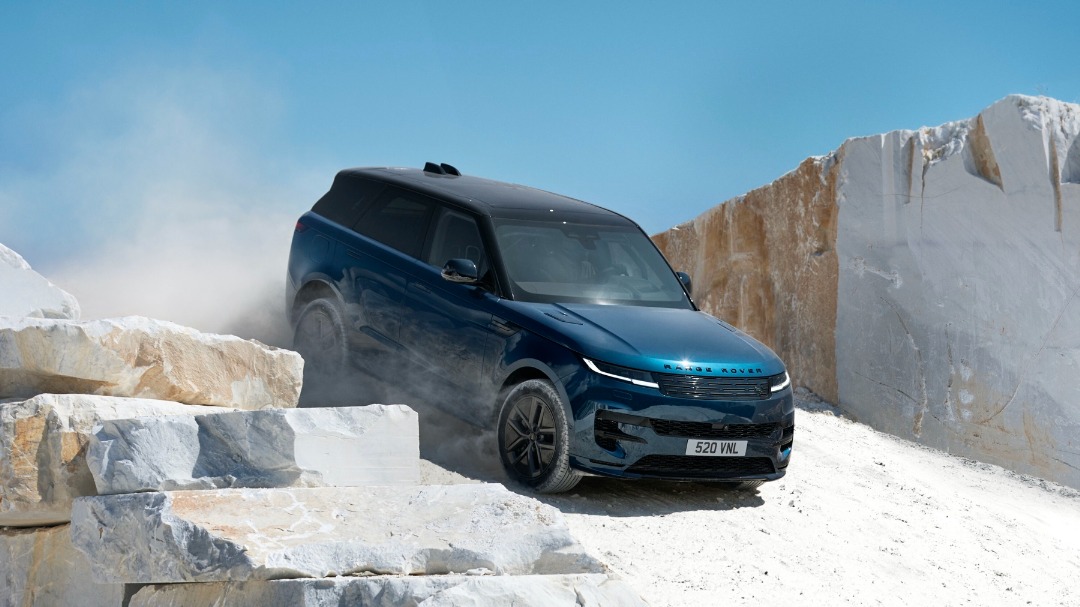
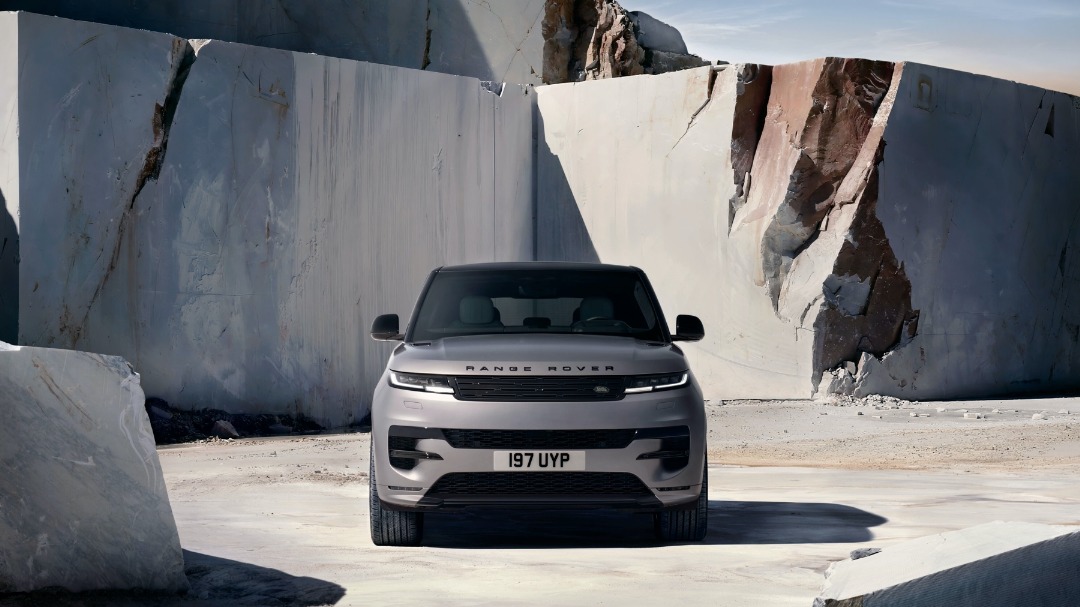
And then there's the part that keeps the Range Rover badge honest: it's still a proper off-roader. The Sport Electric wades through 900mm of water, the same as the diesel, climbs 45-degree inclines, and keeps Terrain Response 2, Wade Mode, Adaptive Off-Road Cruise Control and a 2.5-tonne towing capacity. Land Rover famously tested it by driving one up through the Carrara marble quarries in Italy. The sealed battery pack and re-engineered flat underbody mean the electric version doesn't give up the all-terrain credibility that's core to what a Range Rover is supposed to be. That matters more than it might seem, because the whole brand promise rests on capability most owners will never use but all of them want to know is there.
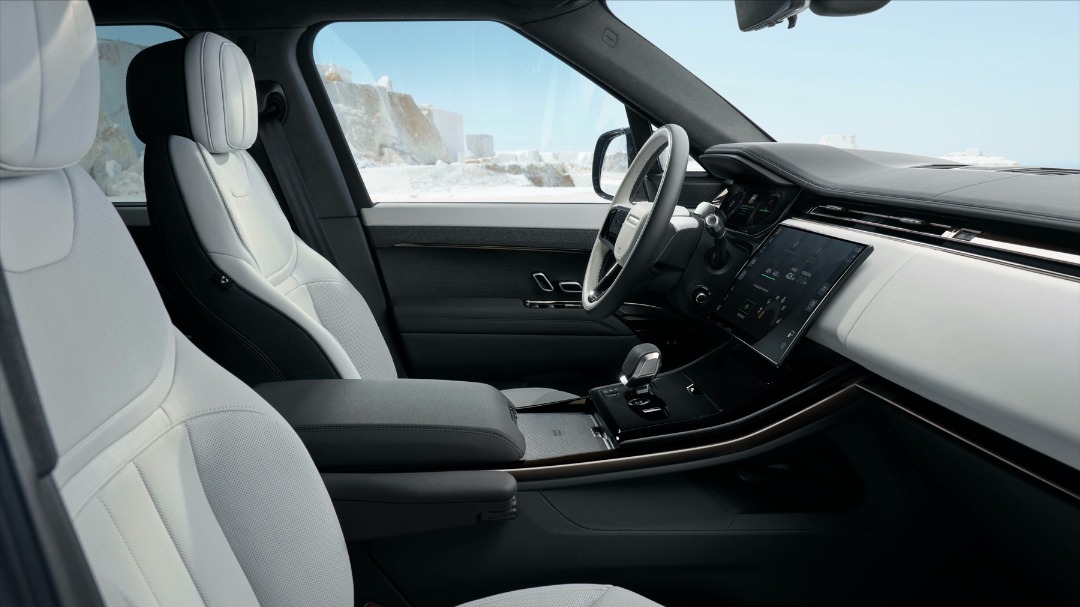
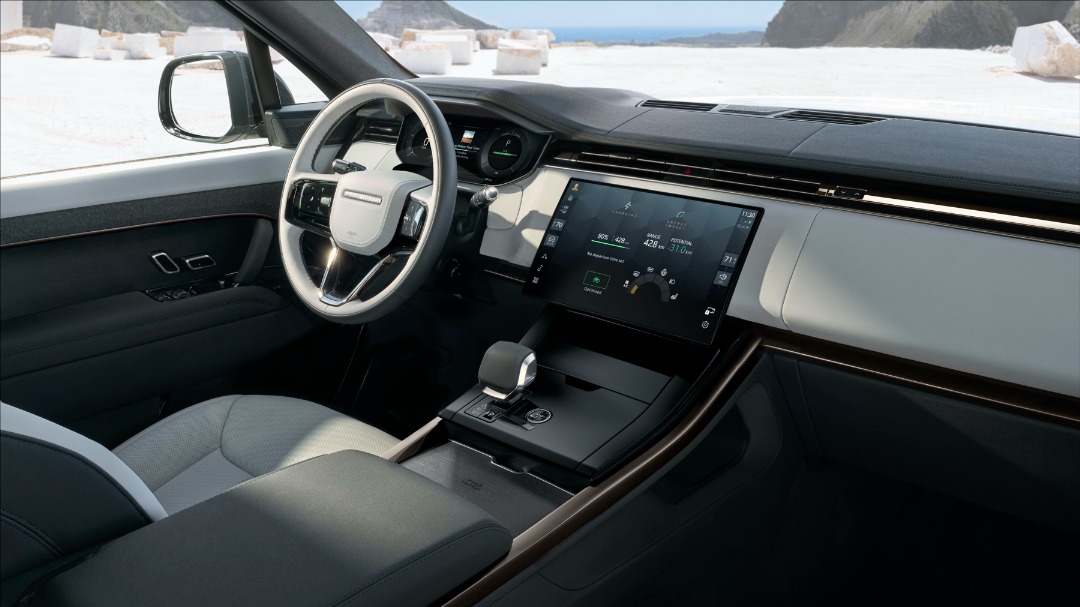
Inside, it's everything you'd expect at the price and then some. There's a 13.1-inch curved Pivi Pro touchscreen, a 13.7-inch driver display, 22-way heated and ventilated massage seats, up to a 29-speaker Meridian Signature system with active noise cancellation built into the headrests, cabin air purification, and a six-scent in-cabin fragrance diffuser, a first for Range Rover. You can option a fridge in the console. ChatGPT is built into the voice assistant (please make it stop!). It is, in the proper sense of the word, opulent, and it's wrapped in the reductive, slab-sided design language that has made the current Range Rover family look like nothing else on the road.
Now the reckoning, because at this money it's owed. The Sport Electric arrives in two grades, the Dynamic HSE from $226,518 and the Autobiography from $249,518, both before on-road costs. Those are serious numbers. By the time you've added stamp duty, luxury car tax and the inevitable options, a well-specified Autobiography will be knocking hard on $300,000 drive-away. For that, you're buying into a first-generation electric drivetrain in a model line where the petrol and diesel versions are long-proven and, frankly, easier to live with if you don't have reliable home charging. The 535km real-world range is excellent until you want to tow a horse float to a property four hours away, at which point the maths gets tighter and the charging stops get longer. And the resale question hangs over every expensive early EV: these have historically not held value the way a diesel Range Rover Sport does.
So, will it find a market here? My read is yes, but a particular one. There's a slice of wealthy, inner-city and harbourside Australia with off-street parking, a home charger, solar on the roof and a genuine desire to be seen doing the right thing without downsizing. For them, this is close to the perfect car. It's a Range Rover Sport in every way that matters; it's quicker than the V8, it's serene in a way combustion can't match, and it ticks the environmental box at a dinner party. That buyer exists, and there are more of them every year. The person it won't convert is the regional grazier or the tow-everywhere family who bought the diesel for a reason, and Land Rover knows it, which is exactly why the petrol, diesel and PHEV versions aren't going anywhere.
Land Rover hasn't bet the farm on electric here. It's added the EV to the family and let buyers choose, and that's the smart play. The Range Rover Sport Electric doesn't need to replace anything. It just needs to be good enough that the people already inclined to go electric don't have to give up the badge to do it. On the strength of these specs, it's comfortably good enough. First deliveries land in March 2027. The waiting lists in Sydney, Melbourne, and Brisbane will tell us the rest.