A question has sat quietly under the whole electric car world for a decade now: how far can you push the price of an EV before buyers finally flinch? Porsche had an early crack, even affixing the 'turbo' badge to the all-electric Taycan. So too Rolls-Royce with the Spectre, and Ferrari more recently with the million-dollar Luce. Range Rover has just had their swing with an SUV in the loudest, most expensive way possible. The answer, apparently, is well past $317,000 for a fully electric ultra-luxurious SUV.
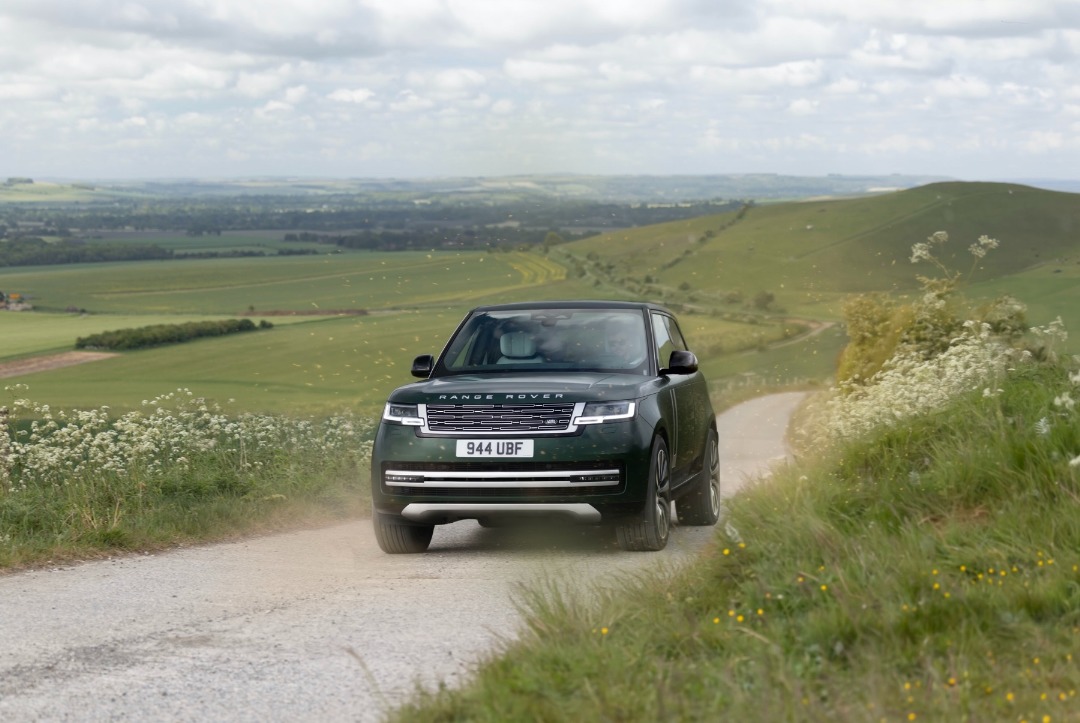
That's the starting figure for the Range Rover Electric here in Australia, and it buys you the HSE. Step up to the Autobiography, and it's $357,718. The SV sits atop the range at $417,418. All those numbers are before on-road costs, which on a car in this bracket isn't a rounding error you can wave away. The cheapest one is already deep into "or I could buy a Lexus LX 700h with every conceivable option, and a month on the Italian Riviera for all of next summer" territory.
The engineering is not where the argument falls down
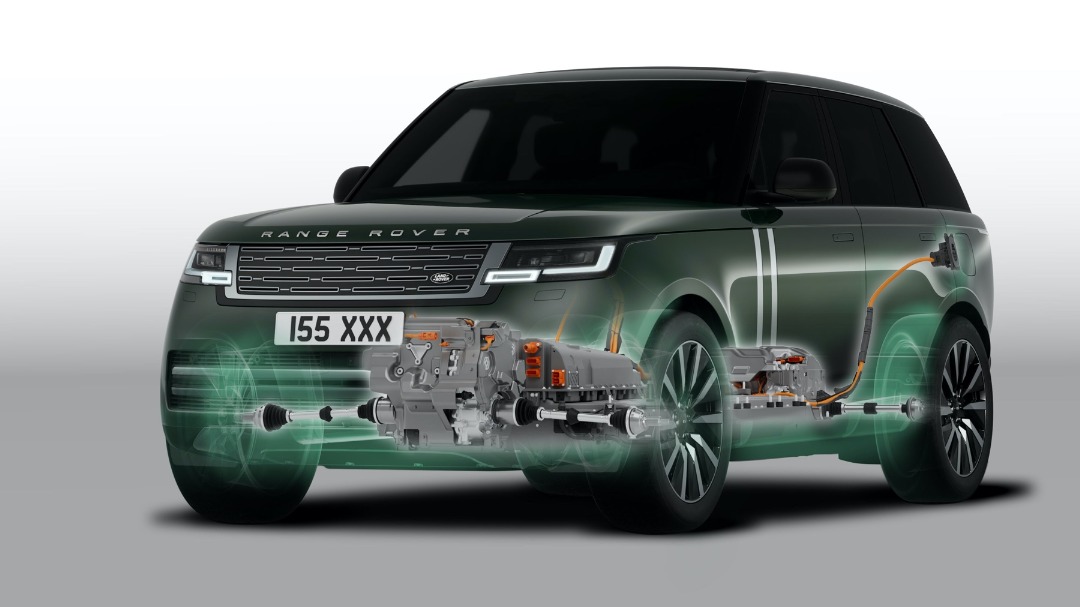
Range Rover (and parent company JLR) has not phoned this in. Under that familiar slab-sided body sit twin permanent-magnet motors, one per axle, each rated at 260kW and combining for up to 405kW and 850Nm. That's TDV8 money on the torque front, delivered in the near-silent way only an EV can. Range Rover quotes 0-100km/h in as little as 4.5 seconds, and, more usefully for the way people actually drive, an 80-120km/h overtake in 2.7 seconds. In something this size, that's quite impressive.
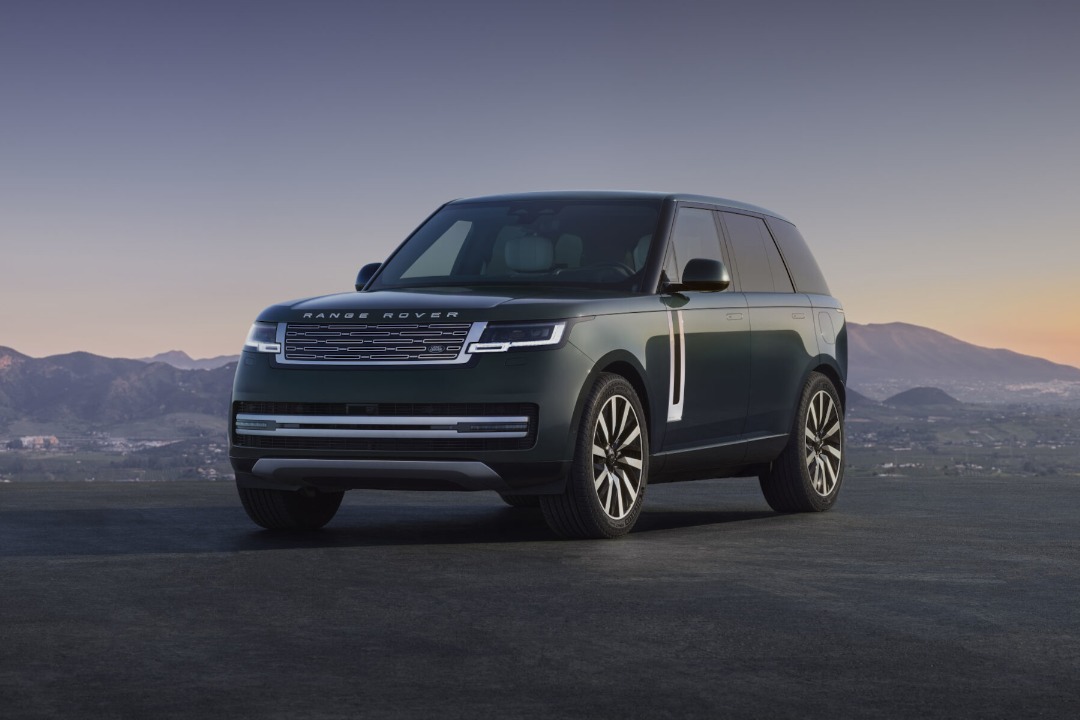
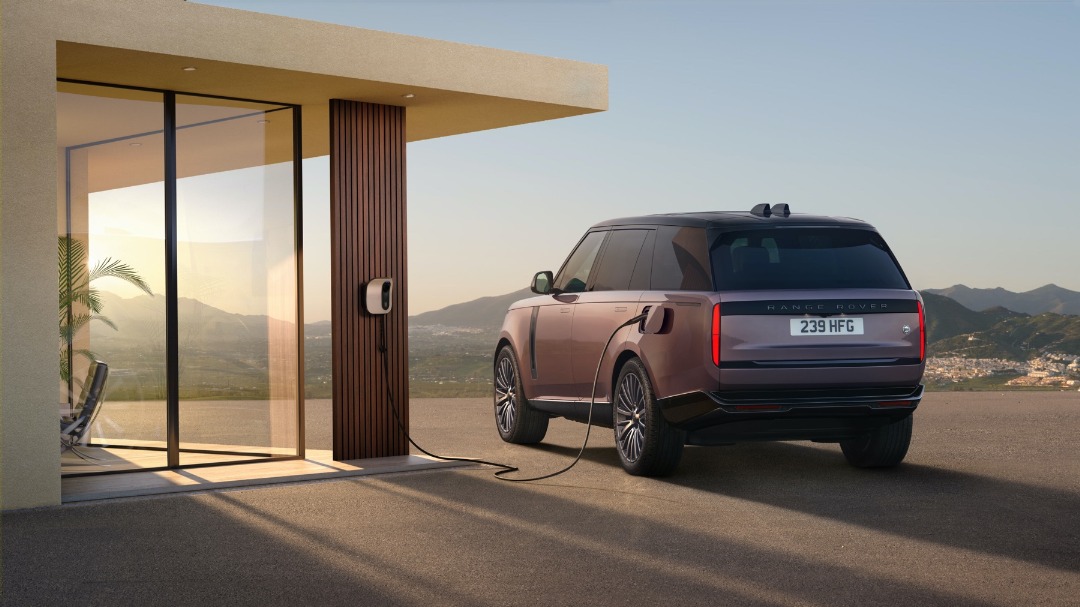
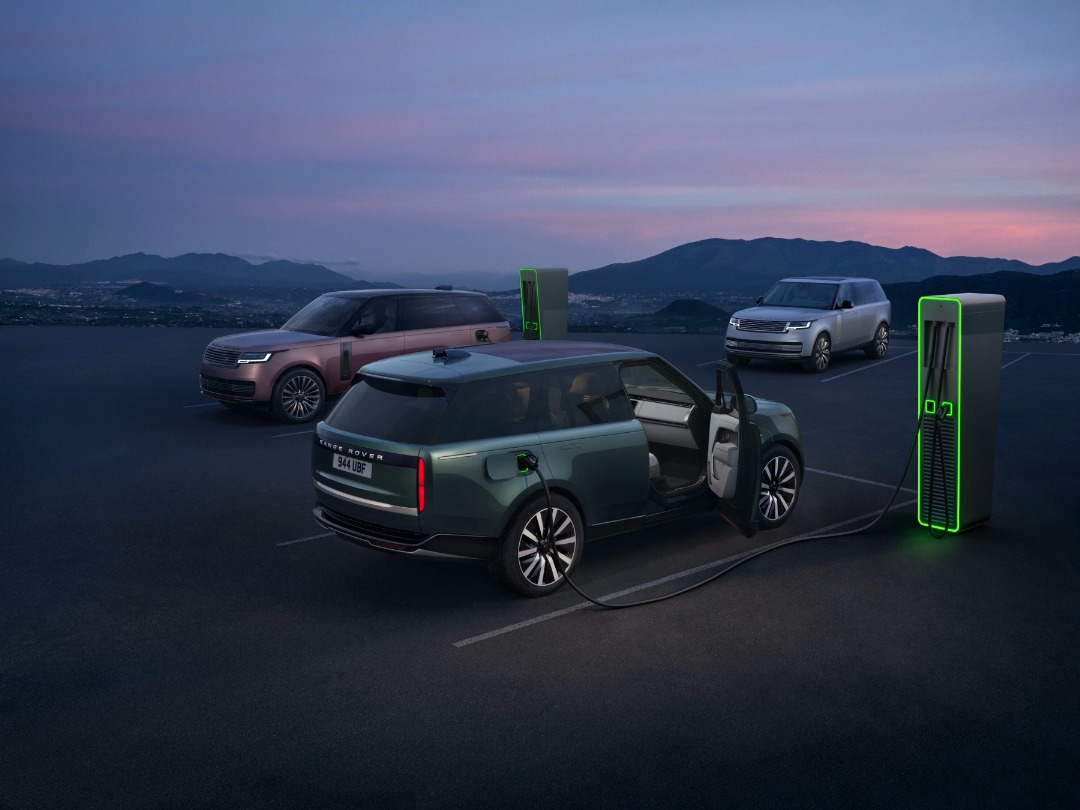
The battery is a usable 118.5kWh double-stacked pack of 344 prismatic cells running on an 800-volt architecture. On the NEDC cycle it'll do up to 600km, with a claimed real-world figure of up to 535km. Find a 350kW rapid charger, and you're looking at 10 to 80 per cent charging in around 20 minutes, or 220km added in ten. On paper, that's enough to make the range-anxiety conversation mostly go away.
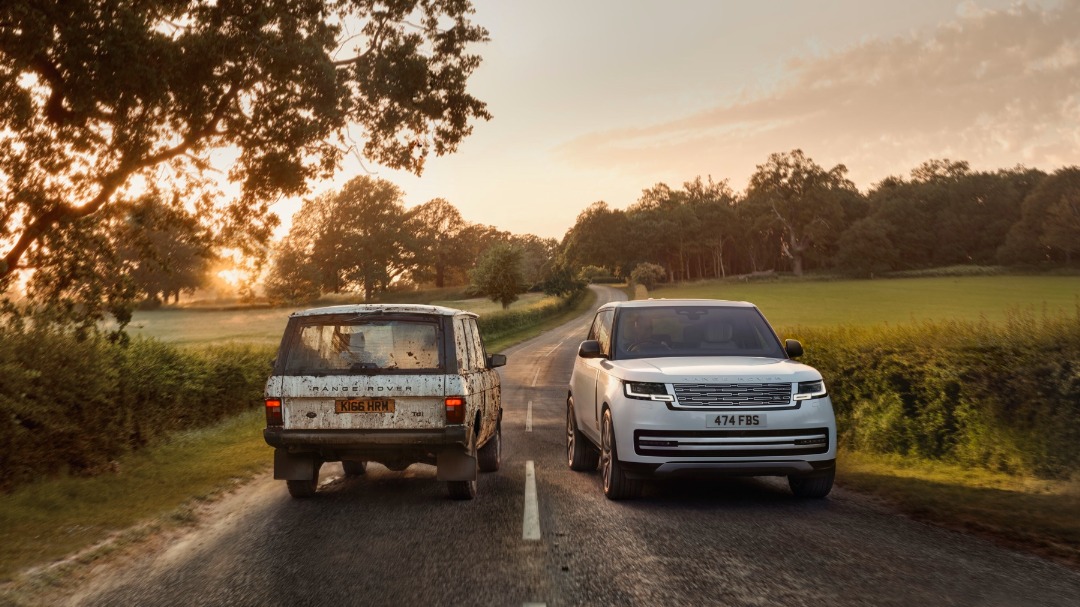
And crucially, it is still a Range Rover. It will wade through 900mm of water. It rides on twin-chamber air suspension with a new Integrated Traction Management system that reacts within 50 milliseconds, which Range Rover reckons is a hundred times quicker than a combustion car can manage. There's a single-pedal mode with three regen settings that will haul it up a 45-degree slope. They tested it at minus 40 in Sweden and in the Dubai heat, ran up more than 1.5 million kilometres, and filed over 300 patents along the way. This is not a badge-engineered afterthought bolted onto an existing car. It's the real thing, built in Solihull, where Range Rovers have come from since 1970.
The bit that lives in Australia, not a UK press release
This is where the local picture matters, and where most of the overseas coverage goes quiet. Buy a Range Rover EV in Australia, and the ownership deal includes access to more than 5,000 public charging locations, plus a one-year ChargeFox subscription capped at 500kWh across 942 sites nationwide. That's a genuinely useful sweetener, but read the fine print carefully: 500kWh is only about 4 full charges of a battery this size. Frankly, I'm amazed that JLR Australia doesn't gift buyers a year's charging from the day you take the keys. I also wonder if an appropriate charging cable is 'included' or a pricey option?
And that's the real Australian question hiding behind the Range Rover Electric Australia pitch. The car's charging performance is only ever as good as the charger you can actually find, and outside the capital-city corridors our fast-charging network is still patchy. A 350kW charger in metropolitan Sydney is one thing. The same car doing the Hume to Melbourne, or heading to Nossa via the New England Highway, is leaning on infrastructure that isn't uniformly there yet. For a vehicle whose entire identity is going anywhere, effortlessly, that's a caveat worth sitting with.
The elephant weighs the thick end of three tonnes
Here's where I start rubbing my chin. Battery packs are heavy, and a pack big enough to move a full-size luxury SUV 535km in the real world is very heavy indeed. This is a car that has to work hard just to shift itself before it does a single thing for you. All that clever traction management and 850Nm of torque is, in part, engineering brilliance deployed to disguise a physics problem: you're asking an enormous mass to behave like it isn't one.
Range Rover clearly knows this. The eight-year, 160,000km battery warranty is reassuring, and the ThermAssist heat-management system working away on battery longevity is smart. But there's a nagging sense that we've reached the point where the numbers stop making rational sense and start running purely on desire.
There's also the obvious alternative sitting in the same showroom. Range Rover already offers this car as a plug-in hybrid on the same architecture, at a price that isn't quite so eye-watering, with none of the charging-network homework. For a lot of buyers, that hybrid is the more sensible answer, and both of us know it. The Electric only makes sense if silence and the badge are the point.
So, high-water mark or just the next step?
That's the genuinely interesting bit. On paper, $300K-plus for a near-three-tonne electric SUV with a 600km range feels like it could be the moment the whole expensive-EV experiment finally overreaches. If any car were going to prove the price ceiling exists, you'd think it would be this one.
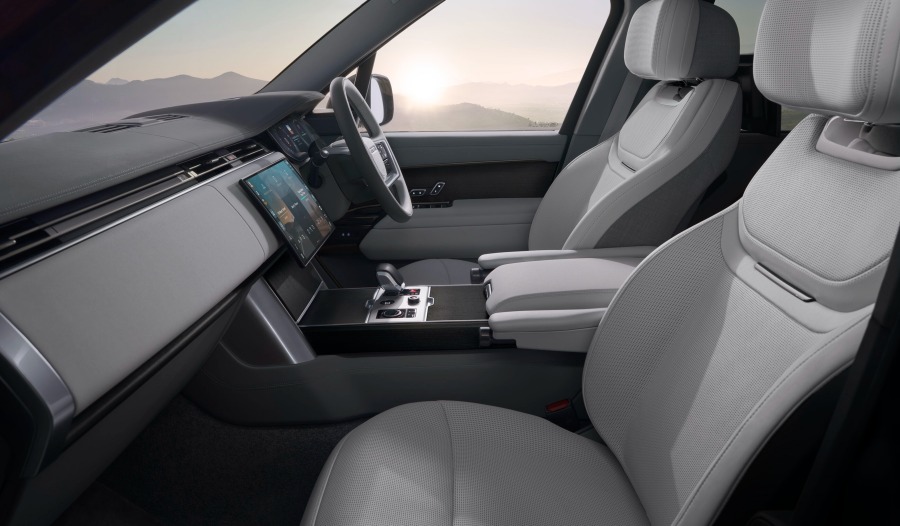
Except this is a proper Range Rover, and that market has never once taken a backward step. The people ordering an Autobiography-spec electric flagship are not running a spreadsheet on cost-per-kilometre. They want the best, quietest, most capable version of the most desirable luxury SUV on earth, and this is now exactly that: refined, near-silent, still able to climb a ski slope and ford a river.
Range Rover will sell every one it can build. And I suspect that tells us less about whether the car is worth the money, and more about the fact that for this particular buyer, the money was never the point.