Introduction
So you're a busy farmer or tradie needing a dual-cab ute that's tough enough for dirt tracks, hauls 3.5 tonnes without breaking a sweat, and won't empty your wallet. Enter the 2026 Mitsubishi Triton GLX - Terrain Pack, Mitsubishi's no-nonsense take on the work-ready pickup. I've spent time behind the wheel of this 4x4 crew cab (model code aligned with GLX specs, with the Terrain Pack bolt-ons), and it's got the practical punch for real-world Australian jobs. With a punchy 2.4L twin-turbo diesel under the hood, it's built for payload hauls and long hauls alike. But is the price gap to the Ranger or HiLux worth it?
Design & Exterior
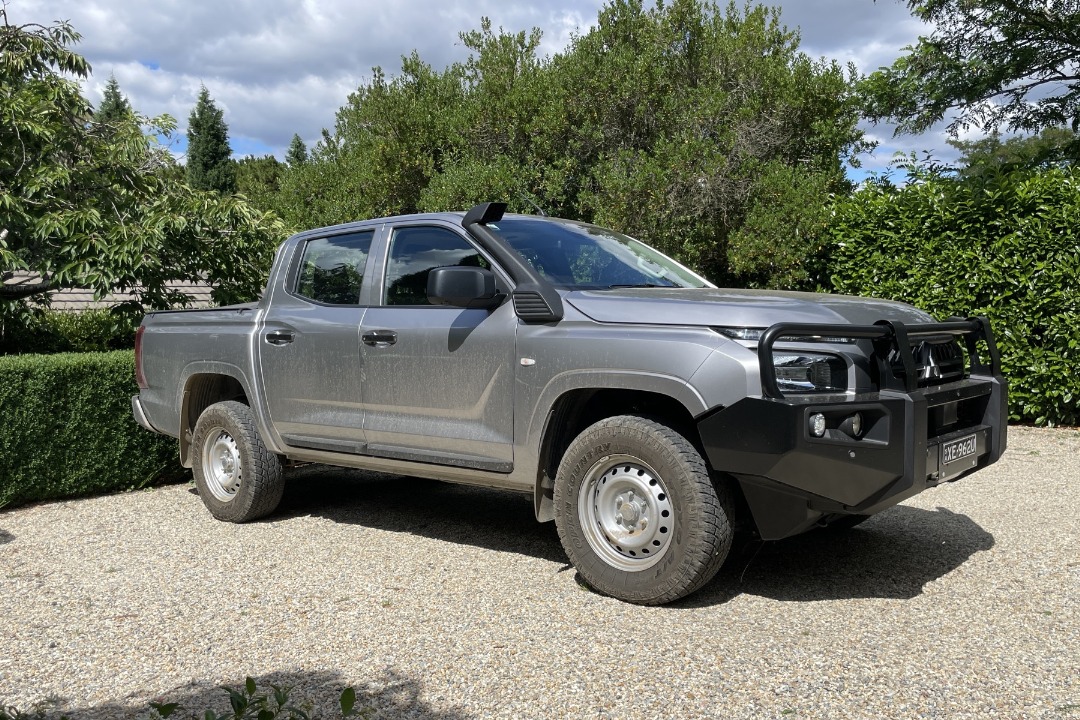
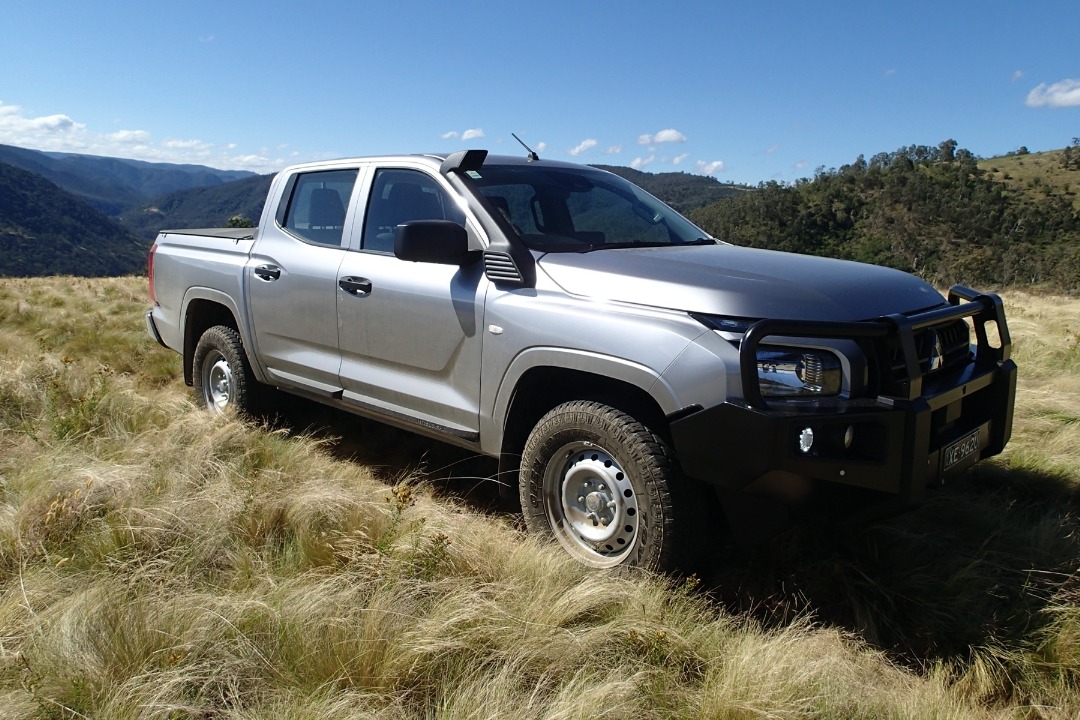
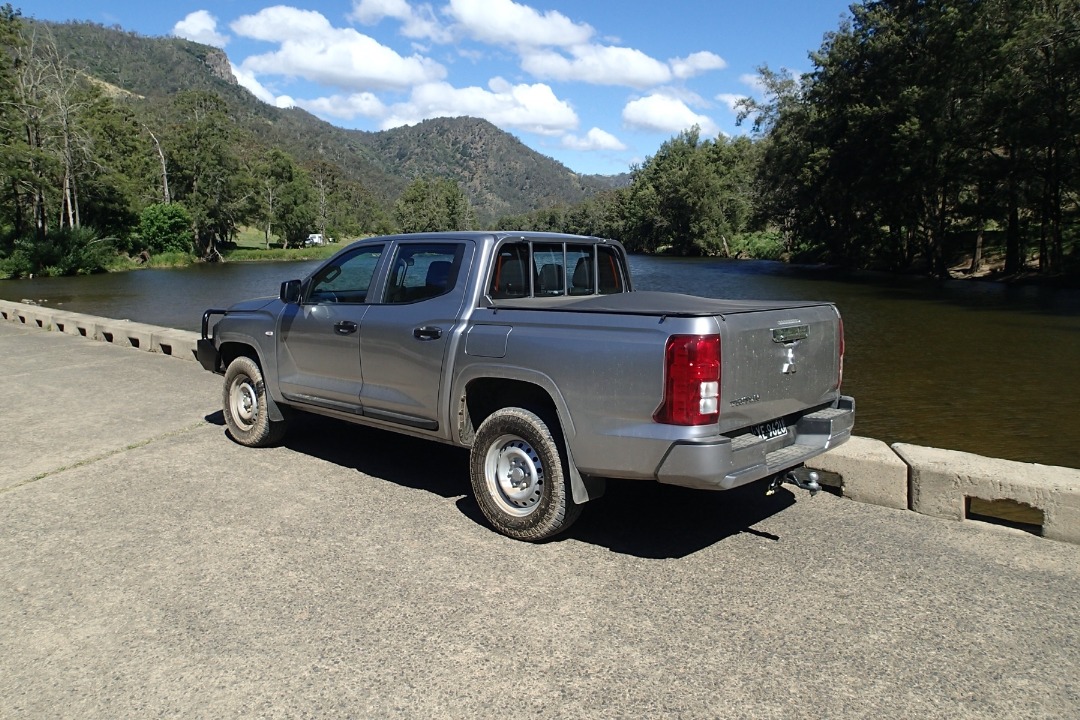
The Triton GLX cuts a burly figure at 5,320mm long, 1,865mm wide, and 1,785mm tall, with a 3,130mm wheelbase that promises highway stability and room for five aboard. Ground clearance sits at a healthy 228mm, paired with a 30.4-degree approach angle and 22.8-degree departure angle - solid for light off-road duties without going full overlander.
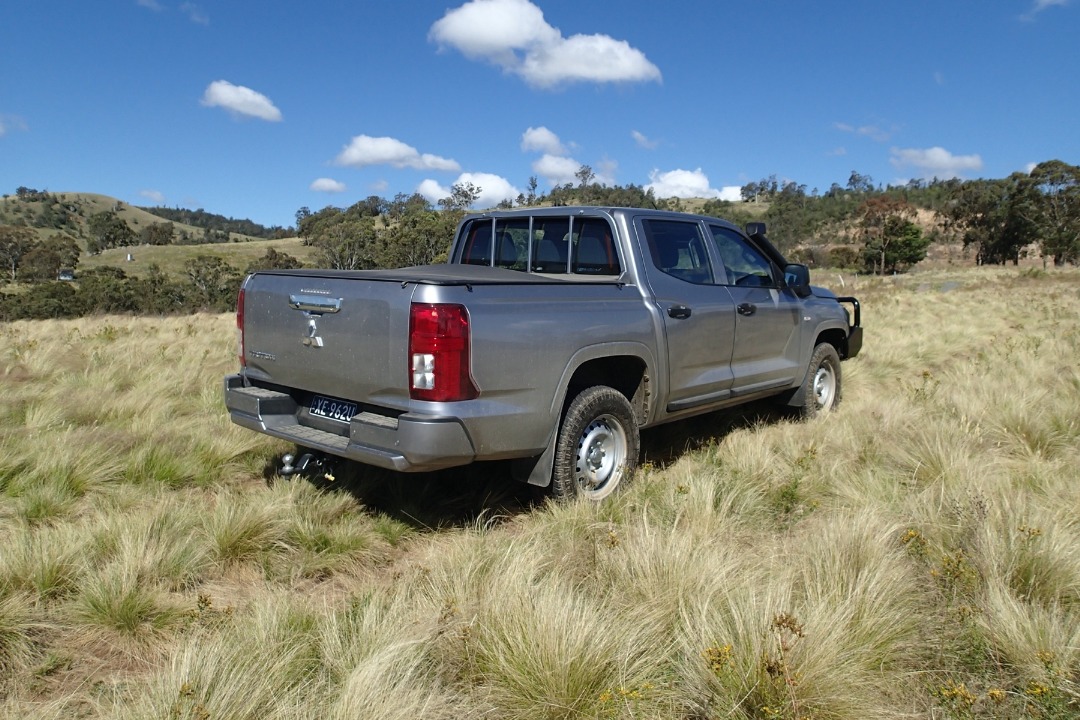
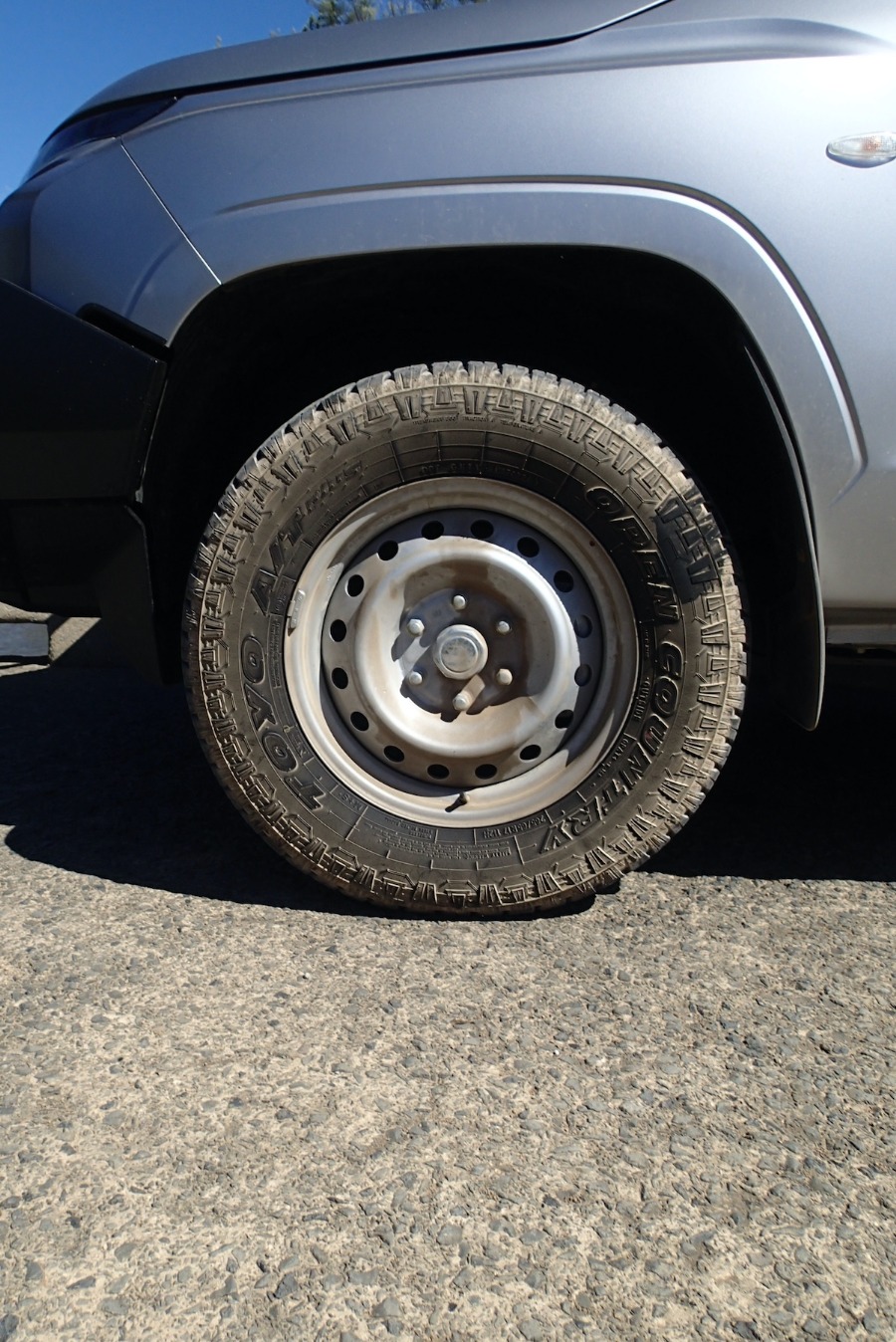
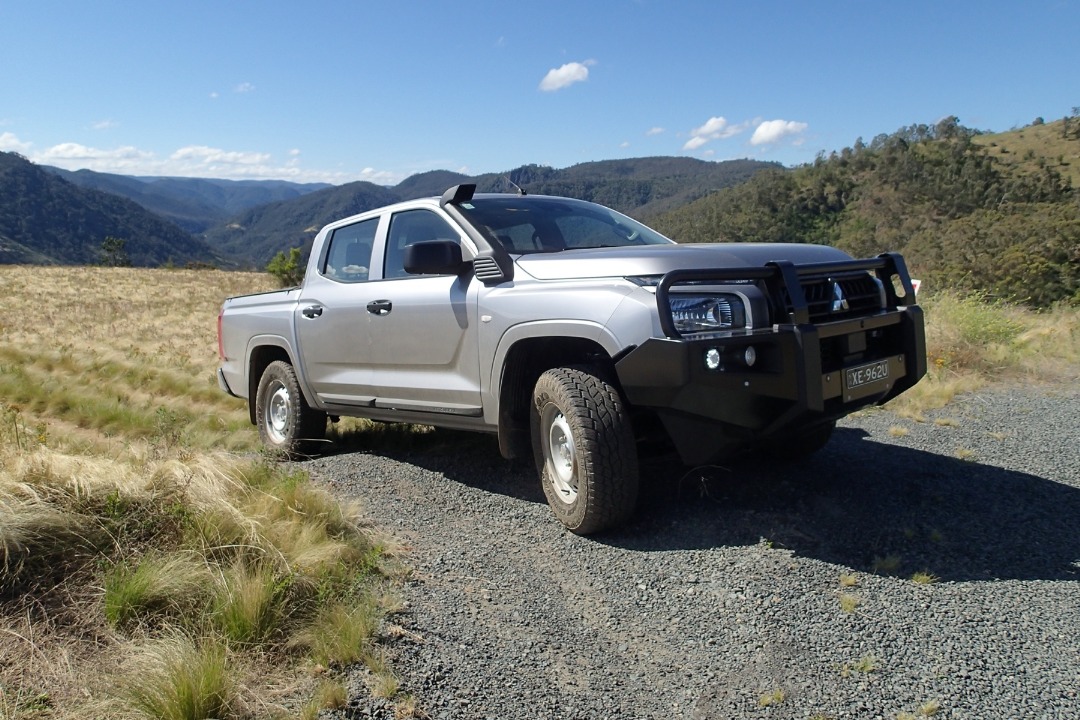
What elevates this to 'Farmer spec' is the Terrain Pack: a front roo-bar for brushing off obstacles (or kangaroos), a tow-bar rated to 3,500kg braked, robust off-road tyres on 17-inch steel wheels (265/65R17 with full-size spare), and mudflaps front and rear. It shrugs off muck with rear step-bumper access and chunky all-terrain rubber that chews up gravel like it's breakfast. Plastic cladding and steel bits scream durability - no fancy alloys here, just bombproof utility. Turning circle is a manoeuvrable 12.4m, handy for tight farm gates or U-turns on country roads. Overall, it's a pragmatic exterior that says "get the job done" without the gloss of pricier rivals.
Interior & Technology
Slide into the roomy crew cab, and it's immediately clear this is built for humans, not showroom poses. Five seats feel genuinely spacious, with decent rear legroom and a shared centre armrest - perfect for knocking off a day's work with mates or family. The front seats are cloth, with electric lumbar for the driver, keeping you comfy on 1,000km fuel stretches (that's the combined range on its 75L tank).
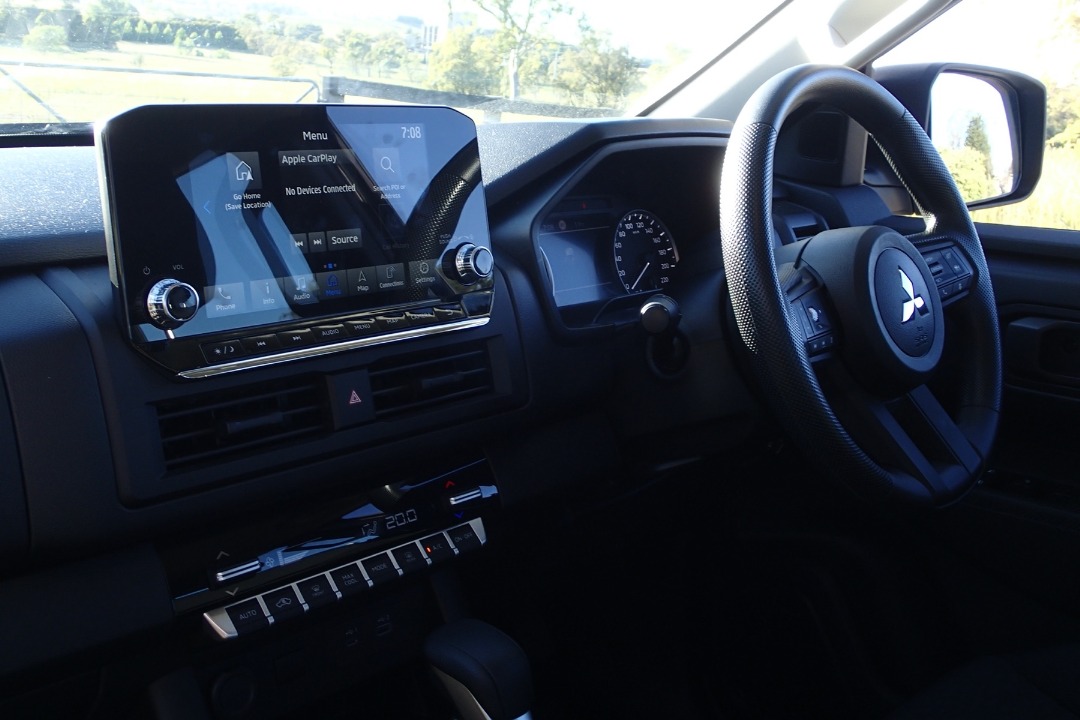
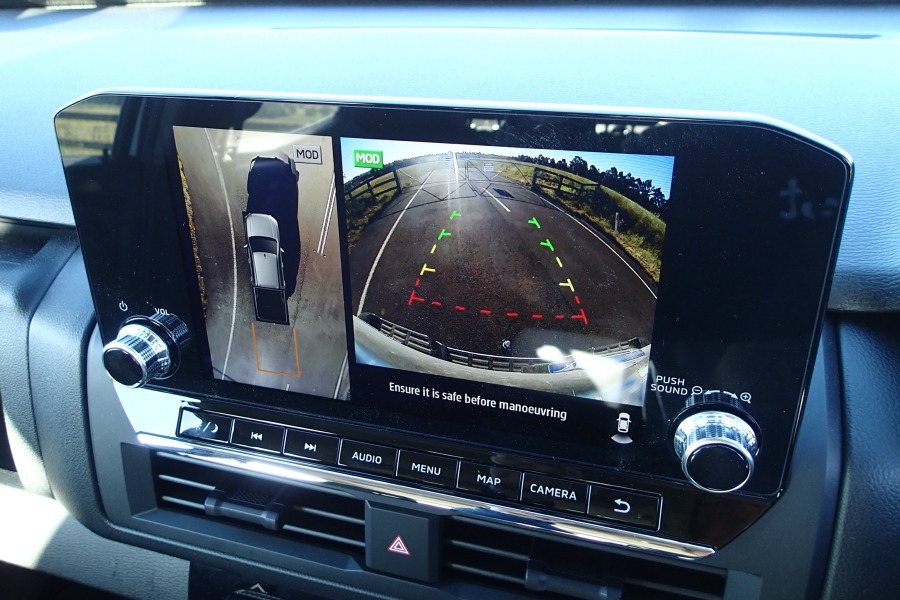
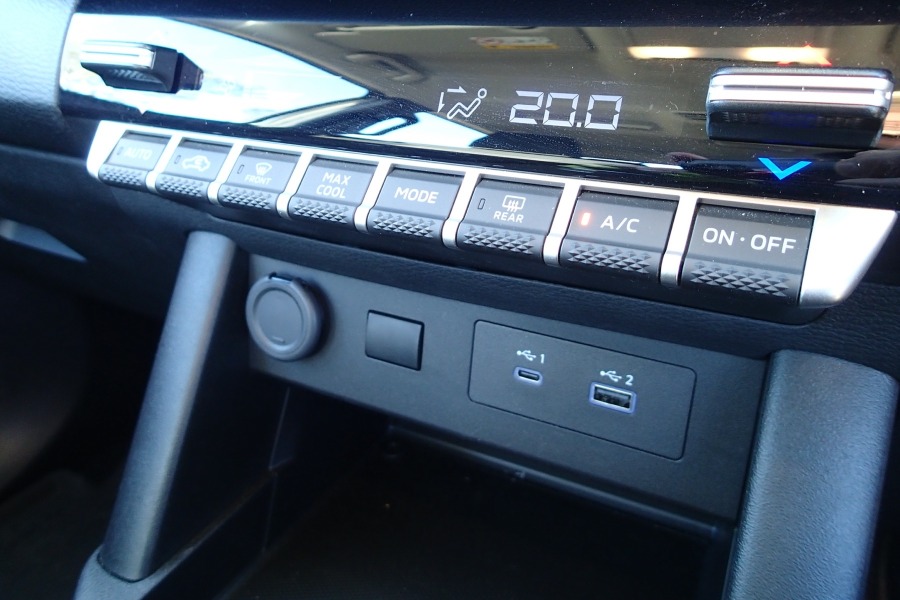
I dubbed this the 'Farmer spec' inside too, thanks to the practical plastic flooring in the tub area - easy hose-down after a muddy load. Cabin-wise, it's well optioned for the price: wireless Apple CarPlay and Android Auto via the colour multi-function screen, Bluetooth, USB ports (including charging), and a four-speaker stereo. Climate control with a pollen filter keeps dust out, while front/rear armrests, a sunglass holder, and an upper glovebox add everyday smarts. The digital partial instrument display includes tyre pressure monitoring, and it has GPS nav with speed sign recognition. Power windows, central locking, and 12V sockets front and rear round out the usability. It's not luxe leather, but the bigger, quieter cabin feels a step up from older Tritons conversational volumes, even at 110km/h.
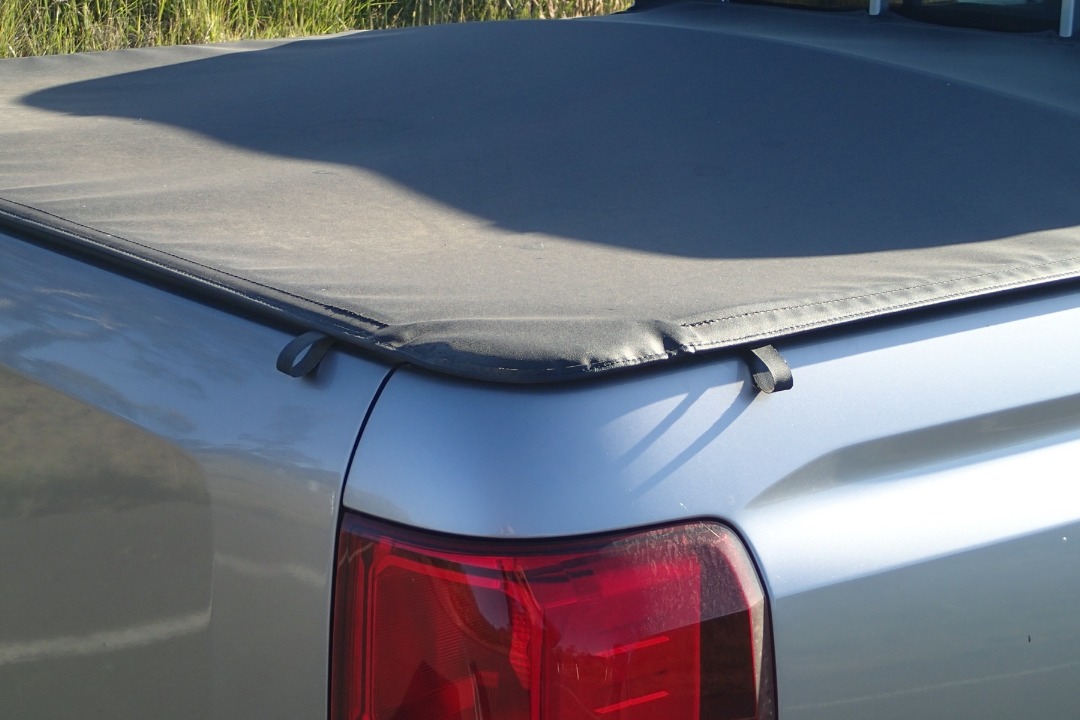
One gripe upfront: that horrendous factory tonneau cover. It rips your hands to shreds when rolling it back, and good luck closing it in winter - stiff as a board from the cold. You'll want to ditch it for a soft lid or hard foldable pronto.
Performance & Driving Experience
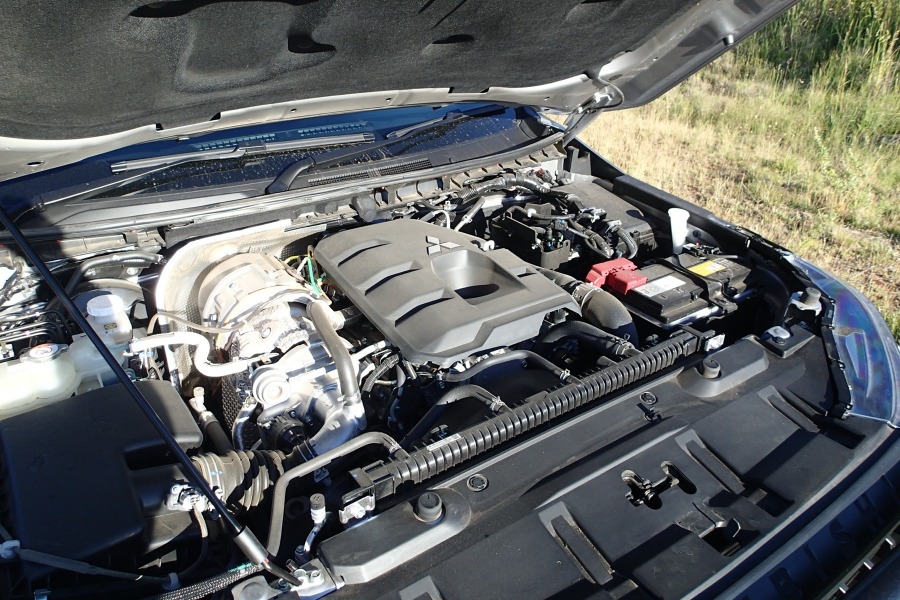
Fire up the 2.4L four-cylinder bi-turbo diesel, and you've got 150kW at 3,500rpm and a fat 470Nm from 1,500-2,750rpm - plenty for merging onto highways or towing trailers or horse floats. Paired with a six-speed sports automatic in this 4x2 rear-drive setup, it shifts smoothly, with selectable drive modes and annoying engine stop-start for thrift. Claimed combined fuel use is 7.5L/100km (city 9.3, highway 6.5), netting up to 1,154km on a tank - my real-world testing landed around 8.0L/100km across 550km+ of farm and freeway, which stacks up well for diesel utes.
On bitumen, quicker electric-assisted steering (variable ratio, tilt/reach adjustable) makes it nimble, with a composed ride thanks to the heavy-duty rear suspension that you don't get on pricier models. But here's the rub: this thing is frighteningly lively in the back end on bumpy roads. The tail breaks traction easily without any weight onboard - corrugations or potholes send the rear skating if you're not on it. It's tail-happy (and not in the fun way), demanding respect on unsealed stuff; throttle modulation is key to avoid a wiggle. Off-road, those Terrain Pack tyres and 23.6-degree breakover angle handle ruts fine; the 4x4 with selectable high and low range is very helpful. Brakes are ventilated front/drum rear with solid ABS and EBD feel. Payload's 1,070kg, GVM 3,070kg - tow a caravan or ute tray full of gear, and it pulls strong without drama. Everyday usability shines for solo runs or light work, but load it for stability.
Safety
Mitsubishi doesn't skimp here - the 2026 Triton GLX scores a five-star ANCAP (2024 rating) with eight airbags, including front centre. Active safety is comprehensive: autonomous emergency braking (AEB) for high/low speed, pedestrian/collision mitigation with reversing, rear cross-traffic alert, blind-spot sensor, lane departure warning, active lane-keep assist, driver attention detection, and forward collision warning. Front/rear parking sensors, front/side/rear cameras (including emergency steering assist) make reversing trailers a breeze. Trailer sway control, hill holder, and post-collision braking add peace of mind. Adaptive cruise with lead vehicle assist and speed limiter (sign recognition) handle traffic. For a work ute, it's stacked - far beyond basics, keeping you and your payload safe on long hauls.
Shortcomings
No review's complete without the warts. Beyond the tail-end twitchiness (seriously, put some weight in the rear or drive like a district nurse), the tonneau's a hand-shredding nightmare - winter closures are a frostbitten wrestle. Rear drums over discs might fade under heavy towing after hours. Fuel economy spikes to the low 10s loaded, and the cabin, while improved, lacks the plushness of the GLX-R or GLS - no leather, no HUD (but that's the point of the Terrain Pack). Plastic floors and mats are practical but echoey when unloaded, and no paddle shifters mean manual control is limited. At 2,000kg kerb weight, it's hefty to park in tight spots despite the turning circle. The value shines here, but don't expect any luxury polish.
Value & Verdict
Priced from around $49,000 drive-away for the GLX 4x4 dual-cab auto. Add $7.5K for the Terrain Pack and another $1,800 for the snorkel, and this Triton still undercuts flashier rivals while offering full-size towing, a roomy cab, and modern tech. Payload versatility (1,070kg tub with 1,555mm load length, 1,135mm between arches) suits farmers, builders, or weekend warriors.
Real-world usability? Top marks for daily graft - lively engine, comfy seats, connected infotainment. Driving experience rewards careful inputs, delivering grit-worthy torque.
Overall, the 2026 Triton GLX 4x4 - Terrain Pack is a stellar value buy for pragmatic Aussies wanting a tough, optioned ute without the premium tag. Fix the tonneau, ballast the back, and it's a keeper. If you need more luxe, step up and pay up - but for farmer-spec smarts, this nails it. Thumbs up for work-ready wins.