Picture this: you're eyeing a mid-size electric SUV that promises Tesla Model Y-rivalling space and features without the six-figure price tag. Enter the Leapmotor C10 EV, the Chinese brand's bold first swing at the Australian market. I've spent a week piloting this rear-drive EV around city streets, highways, and twisty backroads, putting its real-world chops to the test. At around $52,000 drive-away for the top spec Design variant, it's gunning for buyers tired of luxury EV premiums. Attractive pricing is one thing, but does this new entrant - 20% owned by Stellantis - deliver everyday usability and driving fun, or is it all hype?
Design & Exterior
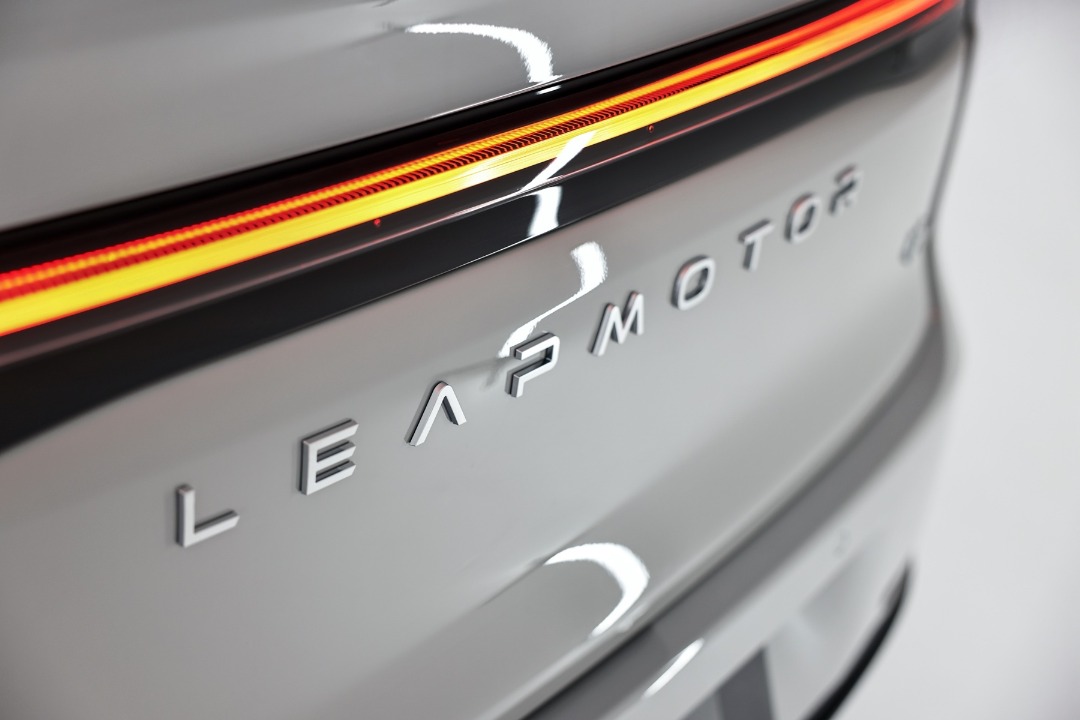
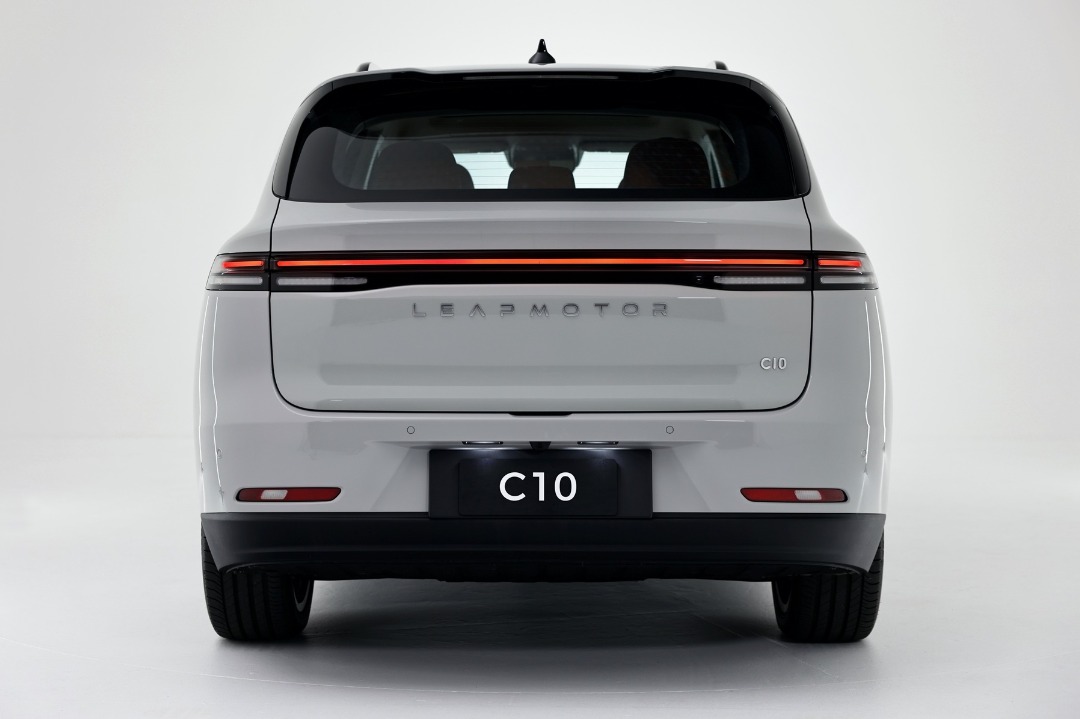
The C10's exterior won't turn heads like a Volvo or KIA. Its styling is blandly inoffensive - think a boxy SUV shape smoothed into something forgettable, with a long front overhang that throws off the proportions and makes it look nose-heavy. At 4,739mm long, 1,900mm wide, and 1,680mm tall on a 2,825mm wheelbase, it's right-sized for Australian parking and overtaking.
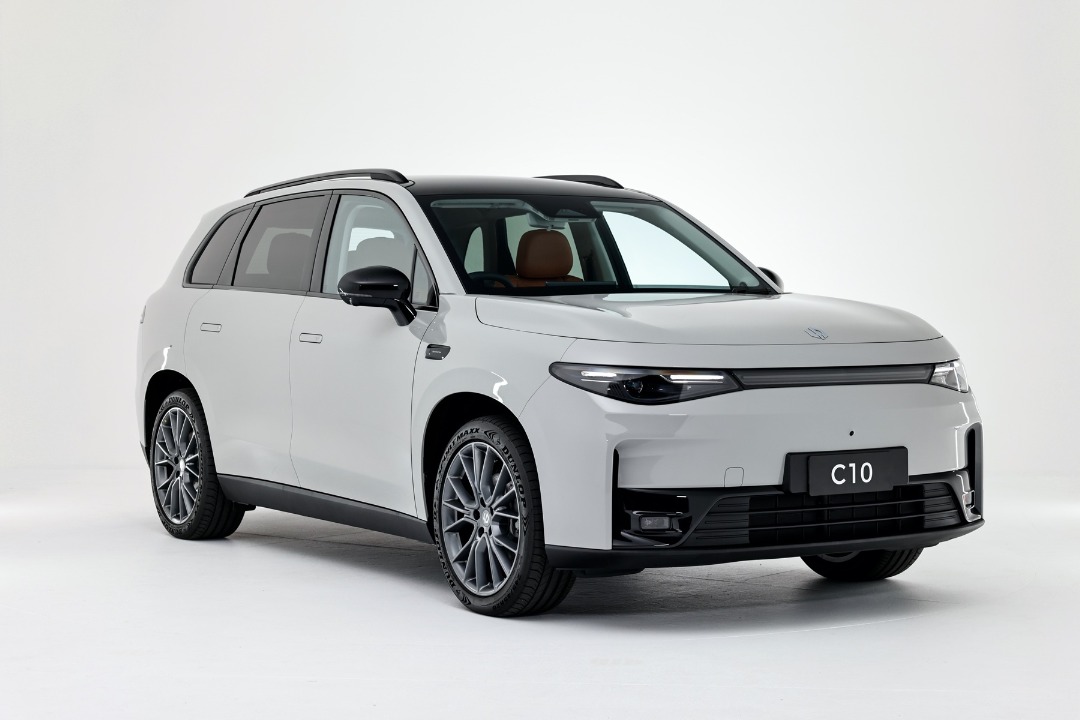
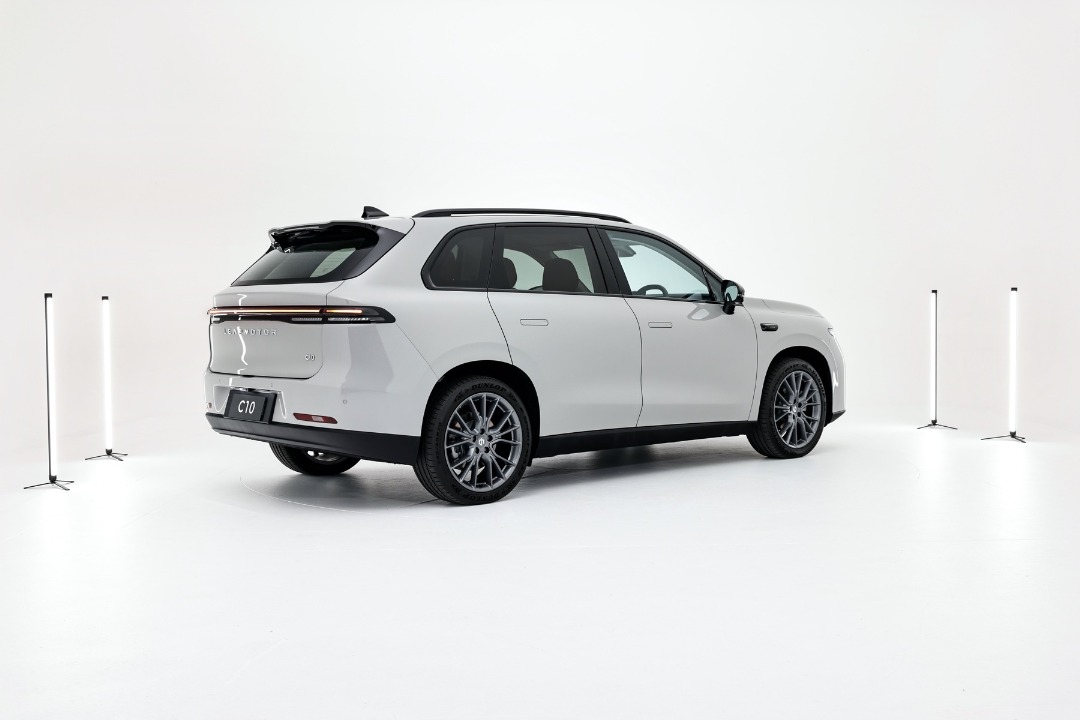
From the side, 19-inch alloys don't fill the guards properly, and that rear overhang again - it's like the designers stretched it for boot space that never quite materialised. In real-world use, it blends into traffic without drama, which suits pragmatic buyers chasing value over Instagram appeal. Paint quality holds up well against highway bugs and stones, and the fixed panoramic glass roof floods the cabin with light without feeling gimmicky. My test was in August, so I can't confidently say what it's like to live in an Australian summer.
Interior & Technology
Step inside, and the C10 surprises with generous space - this is where it shines for families. Rear seats are a highlight: wonderfully comfortable and supportive, with heaps of legroom and headroom for three adults. Kids? They'll have limo-like stretch-out space. Boot capacity is 435-581 litres (seats up), expanding to 1,410 litres folded - decent but smaller than rivals like the Santa Fe. Frustratingly, there's a lack of smart interior storage beyond cup holders; no deep door bins or console cubbies for phones and sunnies.
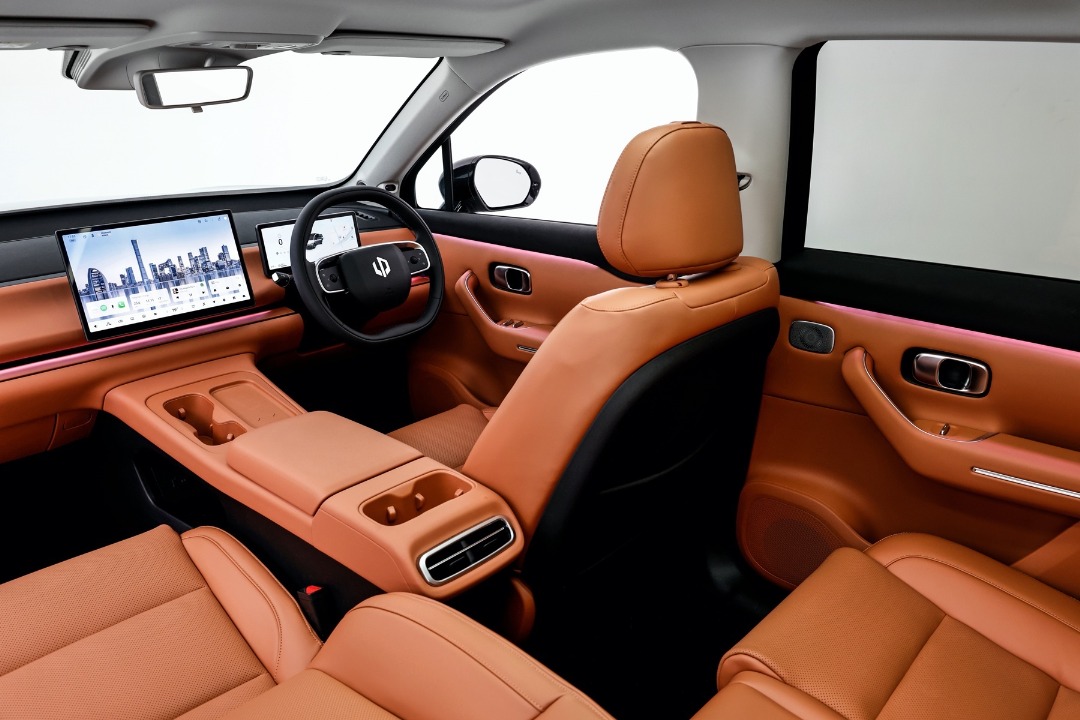
Up front, electrically adjustable seats are plush and heated, paired with dual-zone climate control and a 12-speaker audio system that punches out clear sound. But the tech? That's where it stumbles hard. The massive touchscreen dominates, controlling everything - climate, radio, even wipers - with zero physical buttons. It's totally unintuitive and laggy, like poking a grumpy 2015 tablet. Response times drag, making simple tasks a chore in traffic.
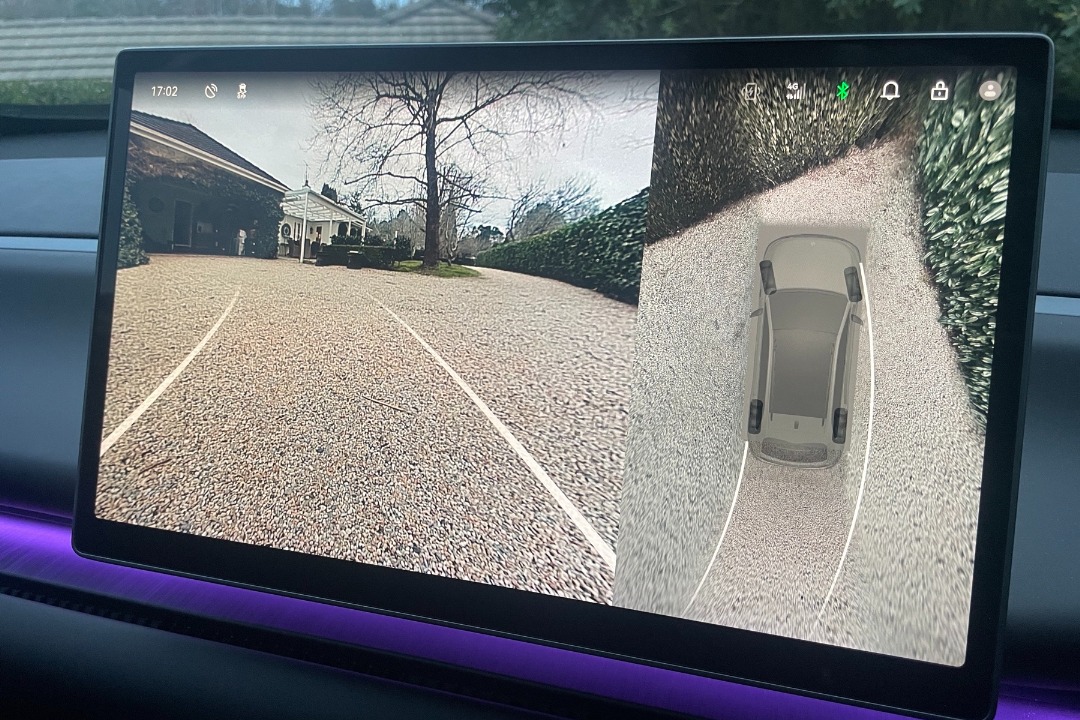
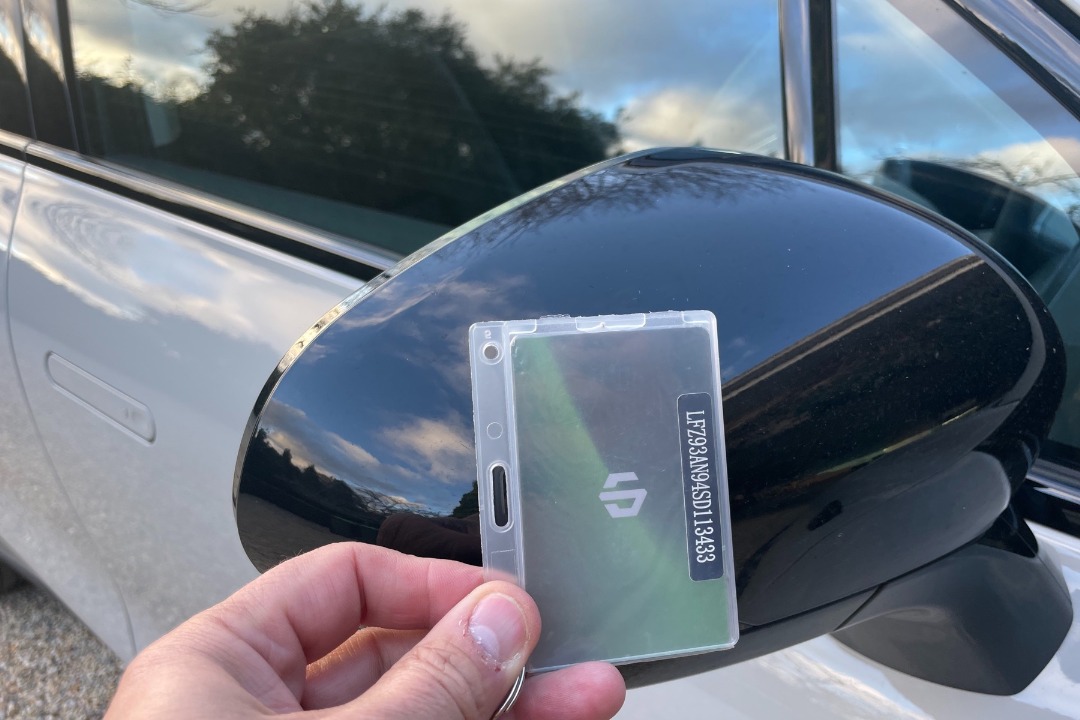
No Apple CarPlay or Android Auto is a dealbreaker for most Aussies glued to their phones for nav and podcasts. Instead, you're stuck with the native system (Qualcomm-powered in theory, but not snappy here). NFC key via phone or RFID card works okay, but responsiveness fluctuates with time of day or weather - unlocked fine at dawn, but glitchy in humidity. It's comfy for long hauls, but usability takes a hit.
Performance & Driving Experience
Powered by a rear-mounted permanent magnet synchronous motor with 158-170kW and 320Nm torque from a 69.9kWh LFP battery, the C10 weighs in at 1940-1995kg. Claimed WLTP range is 410-420km, and in my mixed driving (city and freeway), I hit 380-400km in the real-world. Solid for the class without babying it.
Acceleration to 100km/h takes 7.5 seconds (pointless), feeling punchy off the line for merges and overtakes, with linear EV shove that never feels strained hauling 2 tonnes. Top speed is 170km/h, plenty for Aussie roads. Handling is composed but inert - steering is totally numb and imprecise, prioritising comfort over thrills. Ride quality soaks up potholes brilliantly on 19s, making it a relaxed highway cruiser.
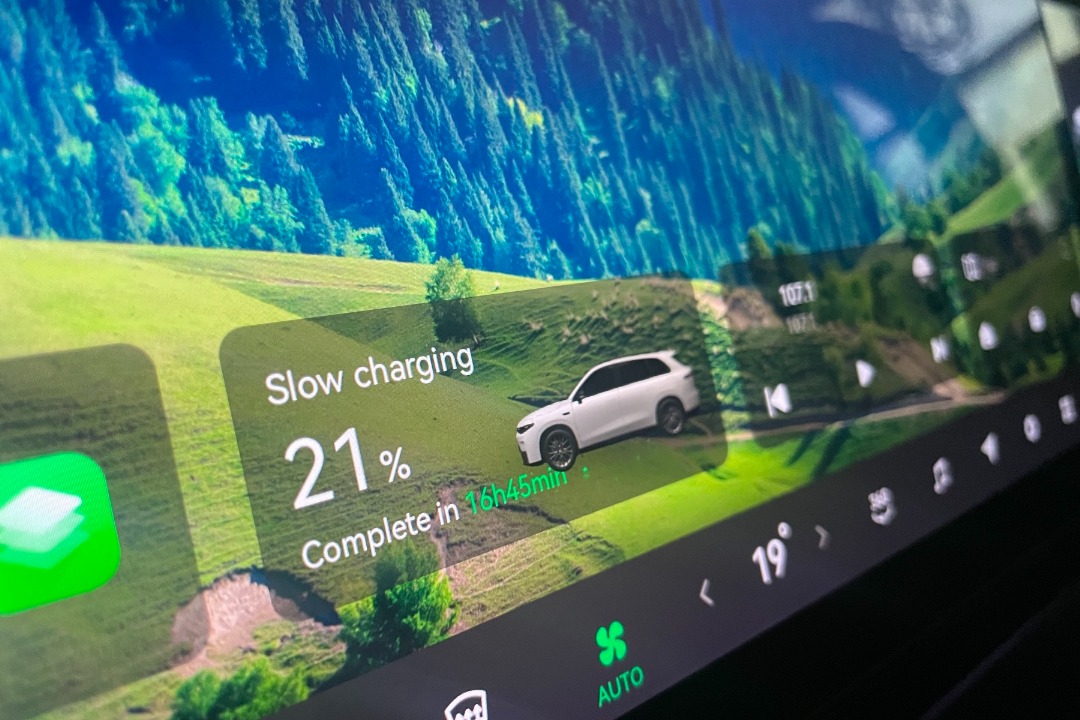
DC fast charging peaks at 84kW (30-80% in about 30 minutes), lagging rivals but fine on Australia's growing network. AC is 6.6kW overnight. Efficiency averaged 18.9-19.8kWh/100km, economical for the size. Daily usability? The C10 is spot on for commutes and school runs - silent cabin, one-pedal regen, and easy turning circle of 10.8m. It's no driver's car, but it nails practical EV motoring.
Safety
Safety tech is comprehensive - a five-star ANCAP rating - with autonomous emergency braking, lane-keep assist, adaptive cruise control, blind-spot monitoring, and 360-degree cameras. But here's the rub: the systems overreach in a horrendous way. Lane keep yanks the wheel like a drunk mate grabbing the keys, and it's stupidly hard to disable - buried in touchscreen menus that reset on restart. I toggled it off five times daily just to drive naturally, otherwise, it's physically exhausting to drive.
Rear cross-traffic alert and speed sign recognition work well, but the constant beeps and interventions grate on highways. It's safe, sure, but usability suffers from nanny-state excess. Braked towing is 1500kg - handy for trailers or bikes.
Shortcomings
No review is complete without the warts, and the C10 has a few that could sour the deal. That laggy, button-less touchscreen is infuriating for frequent fiddlers. Missing CarPlay/Android Auto forces reliance on patchy native nav and Spotify app. Safety systems intrude like an overprotective parent - disabling them shouldn't need a PhD. Bland looks and wonky overhangs won't excite, boot space underwhelms, and storage is cup-holder city. RFID glitches add unpredictability, and 84kW charging feels slow compared to 150 kW+ rivals. It's not perfect, but these niggles don't kill the value.
Value & Verdict
At an estimated $55K-$60K in Australia, the C10 EV undercuts the Tesla Model Y ($65K+), KIA EV5, and MG ZS EV Premium by thousands while matching space and kit. A four-year/100,000km warranty, an eight-year/160,000km battery cover, and roadside assistance sweeten the deal.
For real-world families on a budget, it's a winner: comfy seats, easy driving, decent range, and bang-for-buck features like the pano roof and premium audio. Value trumps polish - if you can live without phone mirroring and tolerate touchscreen quirks, it's a steal. Verdict: Buy it for pragmatic EV life. Just pray Leapmotor patches that infotainment via OTA. Keen? Test drive one soon – it might just leapfrog your shortlist.