The 2025 Jeep Wrangler Rubicon 2-door arrives as something of a contradiction: it's a vehicle designed for extreme terrain that you'll drive to the coffee shop, a weekend warrior that handles school runs, and as a late $80K investment that somehow feels like better value than its predecessor. Jeep has made bold changes to the Wrangler lineup, stripping it back to the serious Rubicon variant only and introducing a new turbocharged engine that promises better efficiency without sacrificing capability. After spending time with the two-door model, I can confirm it's genuinely impressive - though not without its compromises.
Design & Exterior
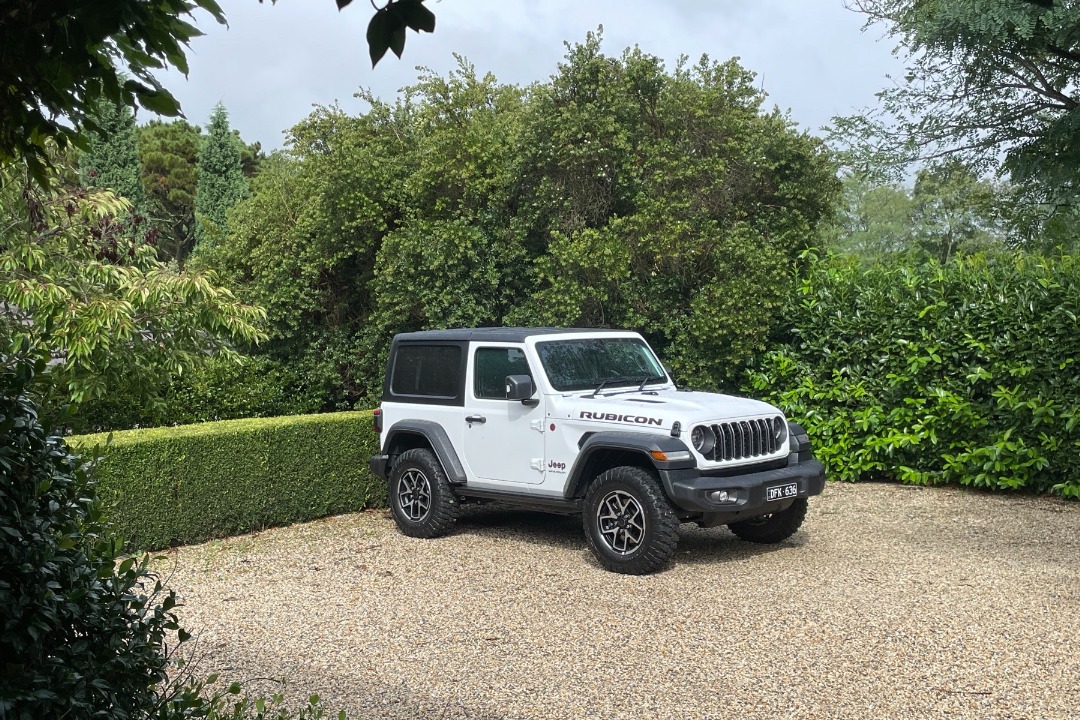
There's something undeniably satisfying about the Wrangler's 2-door silhouette. It's proportionally perfect in a way modern SUVs rarely achieve: short, purposeful, and honest about its intentions. The 2025 refresh maintains that iconic stance while adding subtle refinements that feel contemporary without betraying the formula that's worked for decades.
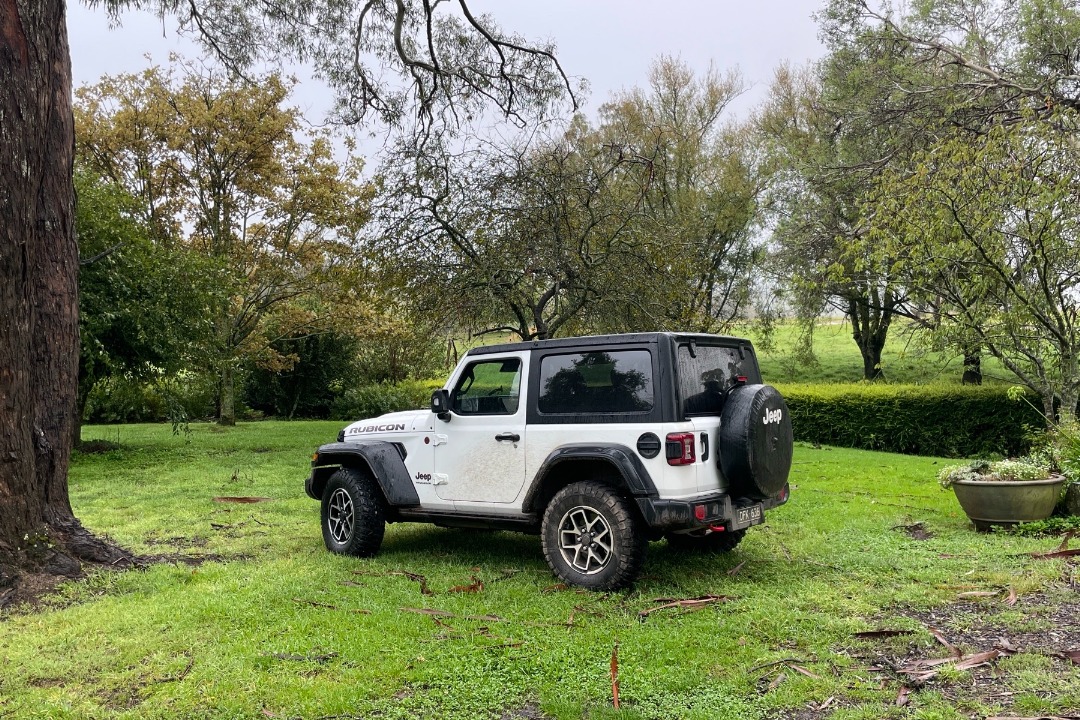
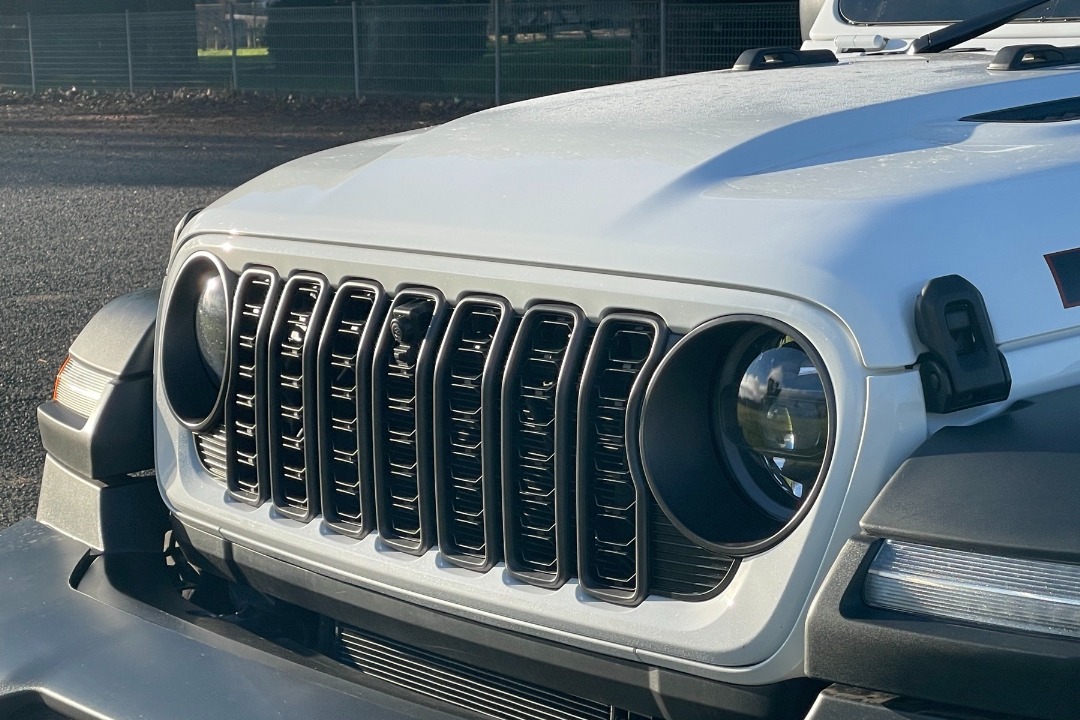
The new grille treatment is more cohesive, and the availability of fresh colours - including the rather striking Mojito Green and '41 Khaki alongside the classics - gives buyers genuine personality options. I'd argue the Bright White finish is where this design truly sings, though it does give a Daisy Duke vibe. It emphasises the vehicle's angular lines and makes the compact 4.3m length feel intentional rather than compromised.
Practically speaking, the 2-door configuration means an overall length of 4,334 mm and a 2,459mm wheelbase, which is genuinely nimble in tight spaces. The 257mm ground clearance and 44-degree approach angle suggest serious off-road credentials without being impractical for urban environments. The removable three-piece hardtop roof is standard, offering genuine versatility. This 2-door Wrangler Rubicon actually comes fully loaded. Your only option as a buyer is the choice of colour.
Interior & Technology
Step inside, and the Rubicon's interior is genuinely comfortable. The 12-way power-adjustable front seats feature Nappa leather upholstery and heating - practical in Australian winters and genuinely appreciated on longer drives. The heated steering wheel is another thoughtful inclusion that Australian drivers will find useful during cooler mornings.
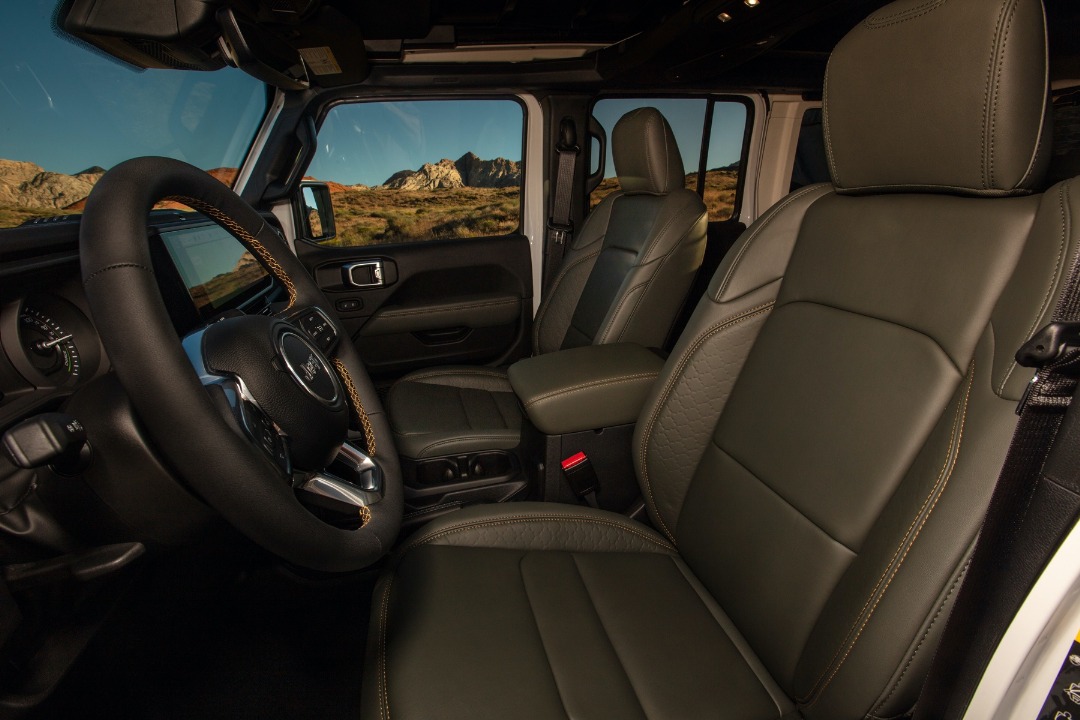
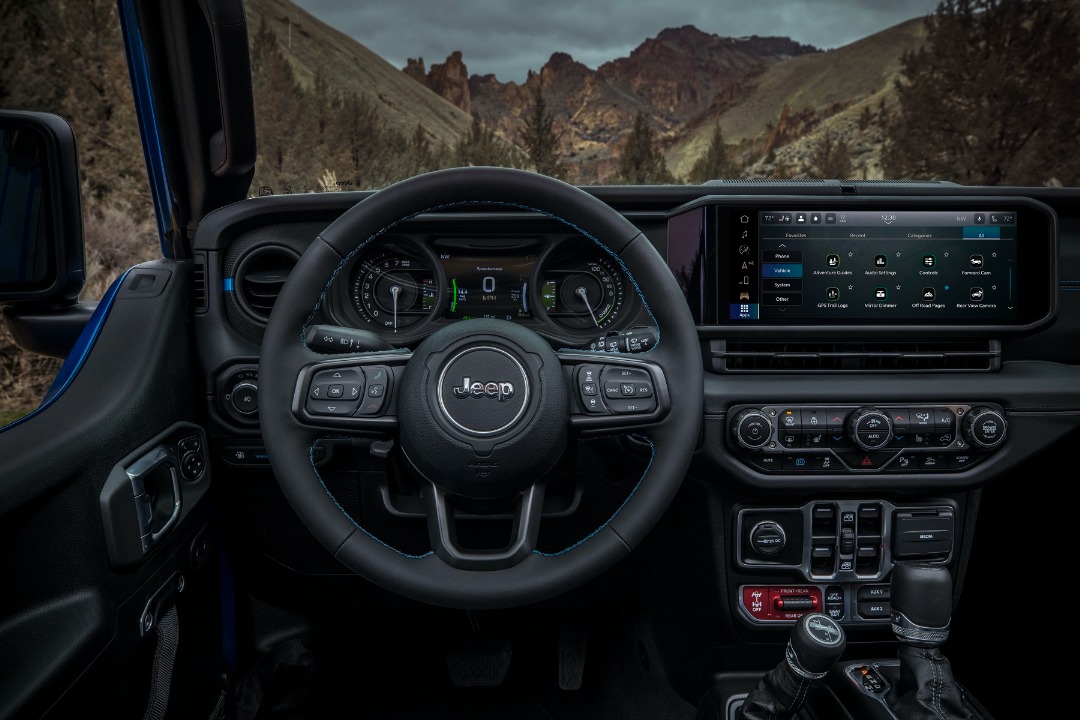
The cabin feels cohesive rather than budget-conscious, with a premium-trimmed dashboard panel and ambient LED lighting that creates a more sophisticated environment than you'd expect from a vehicle this rugged. The 12.3-inch Uconnect 5 touchscreen with wireless Apple CarPlay and Android Auto integration handles infotainment duties smoothly, and the nine-speaker Alpine sound system produces respectable audio quality.
Practicality-wise, the interior dimensions reflect the 2-door reality: rear legroom is genuinely tight, and the 4-seat configuration means this isn't a family hauler. However, for what the Wrangler is designed to be - a serious recreational vehicle or weekend warrior - the space is adequate. Storage is thoughtfully placed, and the removable roof panels enhance the sense of openness when you want it. My son and I took this Jeep deep into the New England countryside during a very wet period, and we just folded down the back seat to maximise space and protect the leather seats.
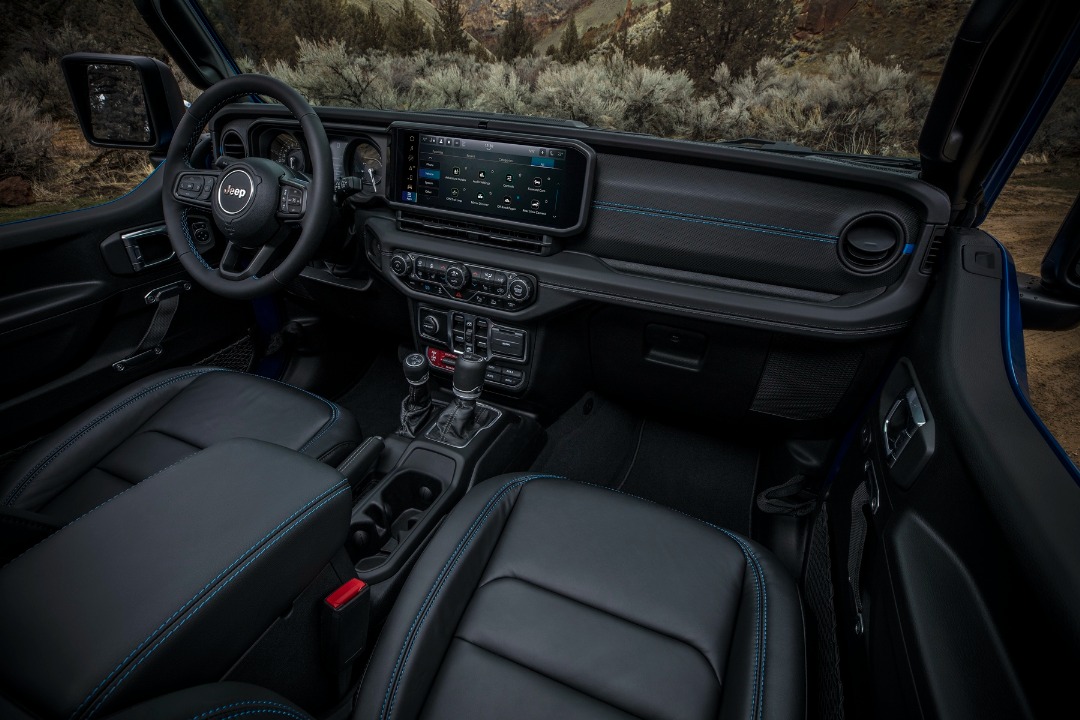
Standard equipment is comprehensive: satellite navigation, keyless entry and start, a 7.0-inch instrument display, and a Gorilla Glass windscreen with integrated antenna. It's the kind of specification that would have cost thousands in option boxes five years ago.
Performance & Driving Experience
The headline mechanical change for 2025 is the 2.0-litre turbocharged four-cylinder engine, replacing the long-running 3.6-litre V6. The numbers tell the story: 200kW at 5250rpm and 400Nm from 3000-4500rpm. That's slightly lower peak power than the previous Pentastar unit, but crucially, the torque arrives earlier and sustains across a broader rev range - which matters far more for real-world driving.
On-road, the Wrangler feels competent rather than sporty. The eight-speed automatic transmission is responsive, and the 200kW output provides adequate acceleration for highway merging and overtaking. More importantly, fuel consumption improves noticeably: the official combined figure of 9.7 litres per 100km represents a meaningful efficiency gain, with highway figures dropping to 8.6L/100km. That translates to a theoretical range of around 680km between fill-ups from the 66-litre fuel tank.
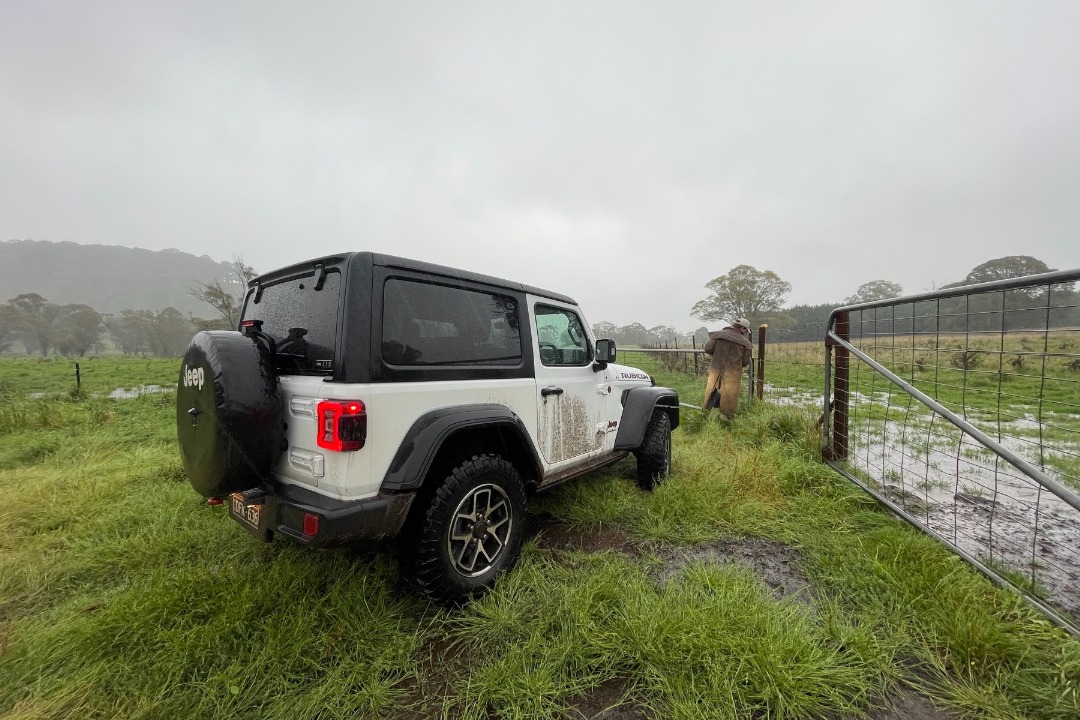
The ride quality is intentionally firm - this is a 4x4 engineered for terrain, not tarmac comfort. Body roll is present in spirited cornering, and the narrow 2-door platform means crosswinds are felt more noticeably than in longer-wheelbase vehicles. None of this is surprising or problematic for the vehicle's purpose, but it's worth acknowledging if you're considering the Wrangler primarily as a daily driver. Road noise from the massive BF Goodrich Mud-Terrain tyres is naturally noticeable at highway speeds, and there is a bit of crabbing on full lock around town - but neither should come as a surprise.
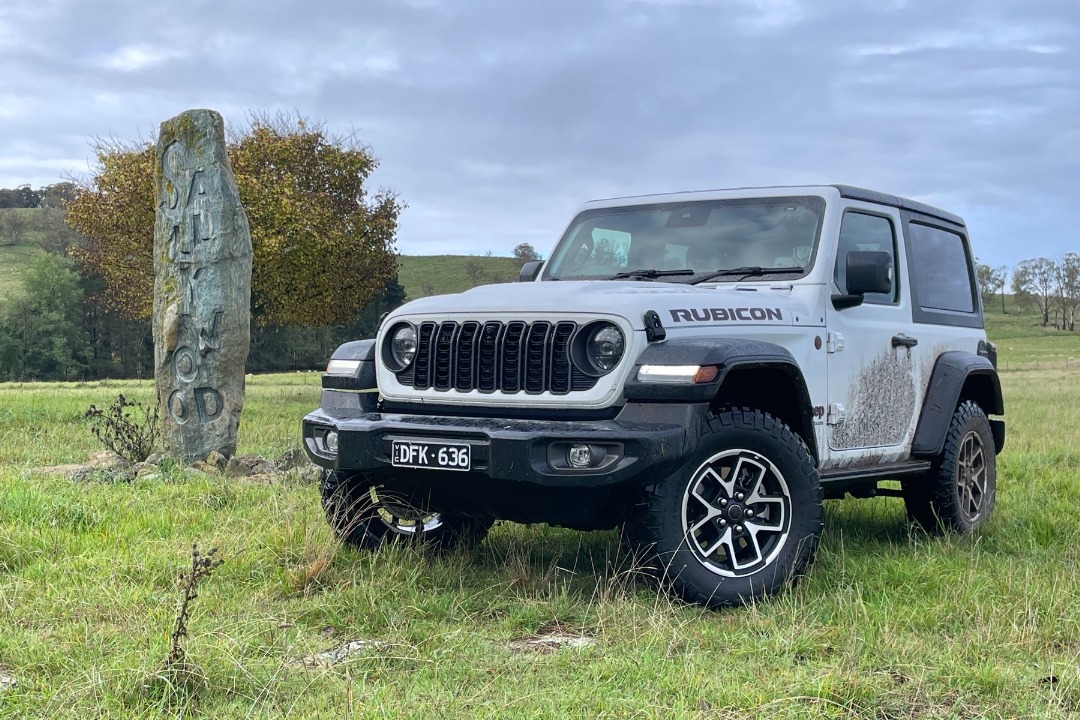
Where the Rubicon truly impresses is off-road. The Rock-Trac 4x4 system with 4:1 low-range gear reduction delivers a 77.2:1 first-gear crawl ratio - that's phenomenal for technical terrain. The Tru-Lok electronic locking differentials front and rear, combined with the electronic front sway bar disconnect, mean this vehicle can genuinely handle terrain that would embarrass most mainstream SUVs. The Dana 44 full-float rear axle and 32-inch off-road tyres are substantial hardware that suggests Jeep expects owners to use these capabilities seriously. In short, there is nowhere that this Jeep cannot go and safely return from.
Safety
The Rubicon arrives with a 3-star ANCAP rating, which feels dated given current safety standards. That said, standard equipment includes autonomous emergency braking, adaptive cruise control with stop function, blind-spot monitoring, and rear cross-traffic alert – the essentials are present. Front and rear parking sensors, a rear-view camera, and side curtain airbags add to the safety package. The multi-function steering wheel and tilt-and-reach adjustment enhance ergonomics.
It's worth noting that if safety ratings are paramount in your purchasing decision, the Wrangler's 3-star certification may give pause compared to newer competitors with 5-star credentials.
Value & Verdict
At just under &88,000 drive-away for the 2-door model, the 2025 Rubicon represents a decent price reduction compared to its predecessor - a genuinely surprising move in a market where prices typically climb. That's compelling value, particularly when you consider the standard equipment specification. The 5-year/100,000km warranty with roadside assistance provides reasonable peace of mind.
The real question is whether the Wrangler suits your actual lifestyle. If you genuinely venture off-road regularly, want a vehicle with genuine off-road credentials that doesn't pretend to be something it isn't, and can tolerate a firmer ride and tighter rear seating, the 2025 Rubicon is genuinely excellent value. The new turbo engine delivers better efficiency without compromising capability, and the design remains timelessly appealing.
However, there are legitimate shortcomings. The 2-door configuration limits practicality for families or those regularly carrying passengers. The split rear window cannot be opened unless the lower-hinged door is opened first, removing the full-size spare alloy wheel from the equation. The ANCAP rating feels concerning in 2025. The firm suspension, noticeable body roll, and wind noise at motorway speeds mean this isn't the most refined daily driver. And if you're primarily seeking an urban SUV that occasionally tackles dirt roads, there are more comfortable, better-rated alternatives at similar price points.
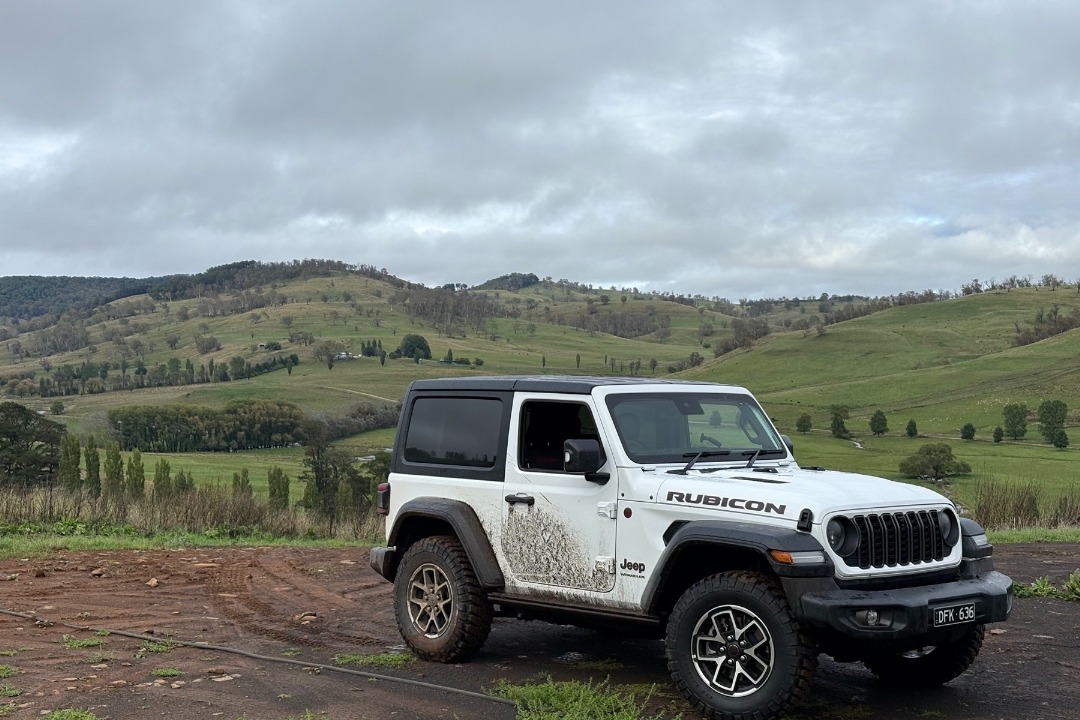
The 2025 Jeep Wrangler Rubicon 2-door isn't for everyone. But for buyers who understand what a Wrangler actually is - a genuine off-road tool wrapped in an iconic package - it's a compelling proposition that's never offered better value or efficiency. It's a vehicle that makes sense if you're going to use it properly, and honestly, that's exactly how Jeep intended it.