If you grew up with small, boxy SUVs like a Toyota RAV4 or the iconic Suzuki Sierra (now Jimny), the new INSTER from Hyundai will feel oddly familiar. My mother‑in‑law adores her little 3-door RAV4 - she calls it “Noddy” - and hopping into the INSTER is like getting behind the wheel of an electric reboot of that same idea: small footprint, big personality, and just enough toughness to handle real life.
The big difference, of course, is that the INSTER runs on electrons, not unleaded. In this Extended Range form, it gets the beefier 84.5kW motor, a proper usable driving range, and still comes from a line‑up that kicks off at under $40,000 driveaway for the base model.
So, is this the right EV for Australian buyers who want to drive a car that's very deliberately friendly to those of us who might be elderly or urban - or both?
Design & Exterior
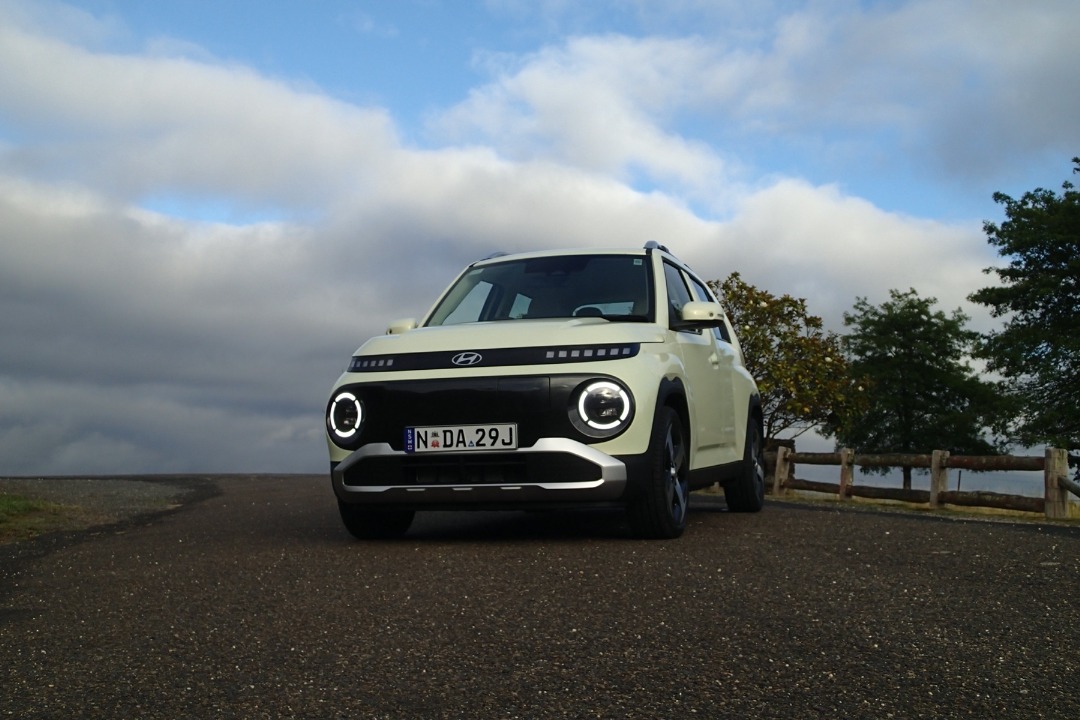
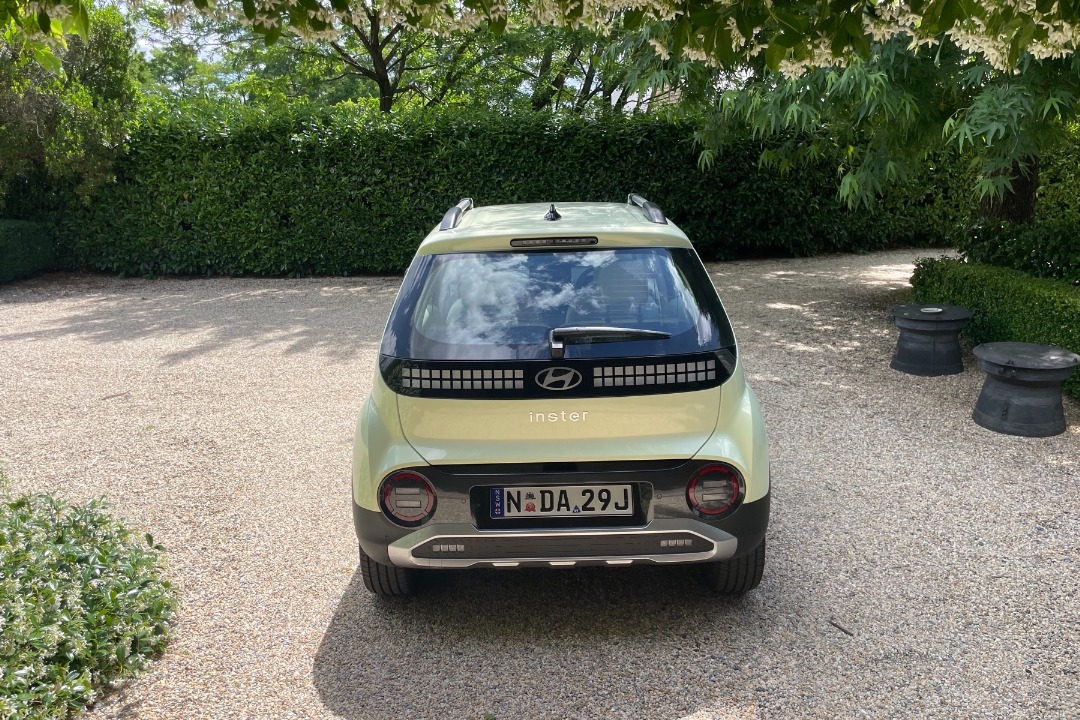
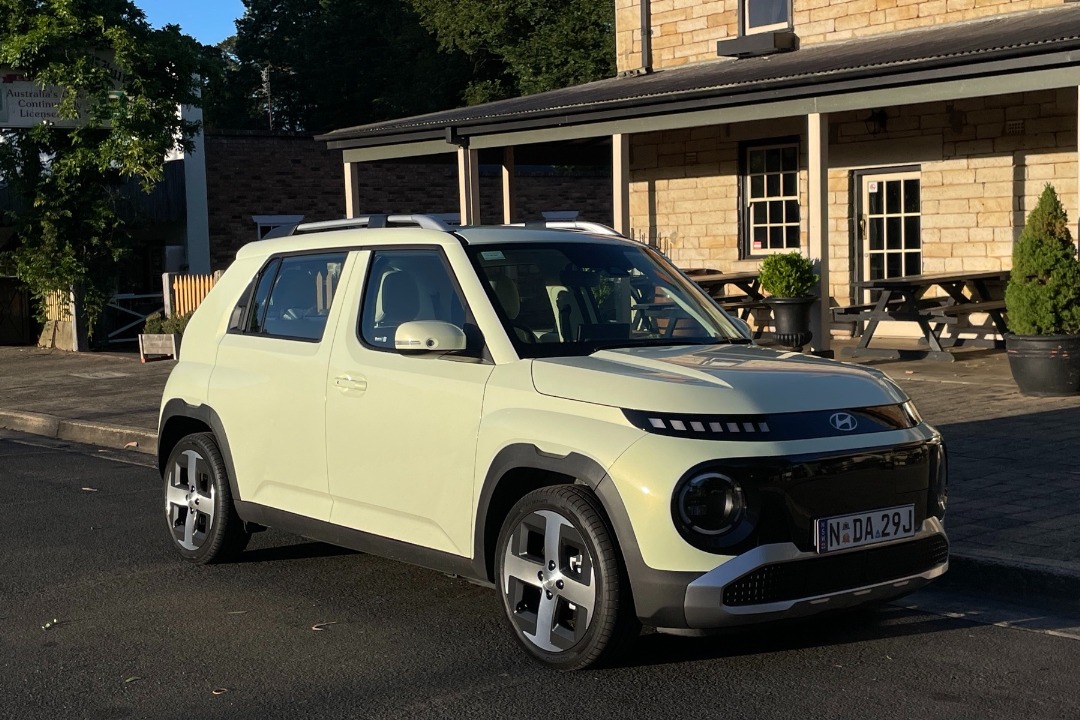
Hyundai calls the INSTER a “small SUV EV”, but in the metal, it’s more like a pumped‑up city hatch with a squared‑off stance. Almost a Japanese K-car, but not quite. Imagine someone took a first‑gen RAV4 3‑door, ironed out the curves, shoved in an electric motor and a decent-sized battery, and then gave it a pixel‑art video game makeover.
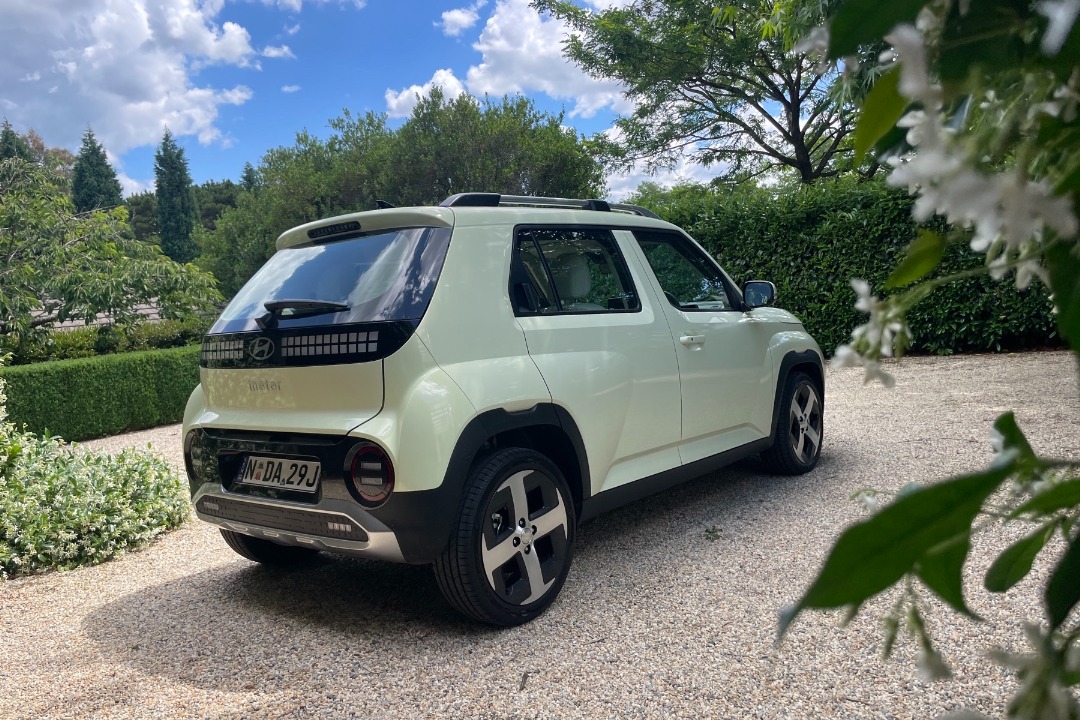
The Buttercream Yellow paint on this car is impossible to ignore - it’s cheerful without being silly, and it suits the INSTER’s upright, playful proportions. Black cladding and squared wheel arches add some 8-bit visual toughness, while the short overhangs make it look ready to squeeze into tight inner‑city parks or narrow apartment garages.
Key exterior highlights:
- Boxy profile that maximises cabin space despite its small overall length (around 3.8m).
- Pixel‑style LED lighting front and rear, giving it a distinctive, techy face at night. A strong Hyundai styling cue seen on the Staria, and across the IONIQ range.
- Compact wheels that help ride comfort and efficiency, rather than pretending this is a hardcore off‑roader.
- Big glass area for good visibility - great for newer drivers or EV first‑timers.
It looks fun, friendly and a bit retro, which is exactly the point. If you’re tired of anonymous small SUVs, the INSTER stands out in the best way.
Interior & Technology
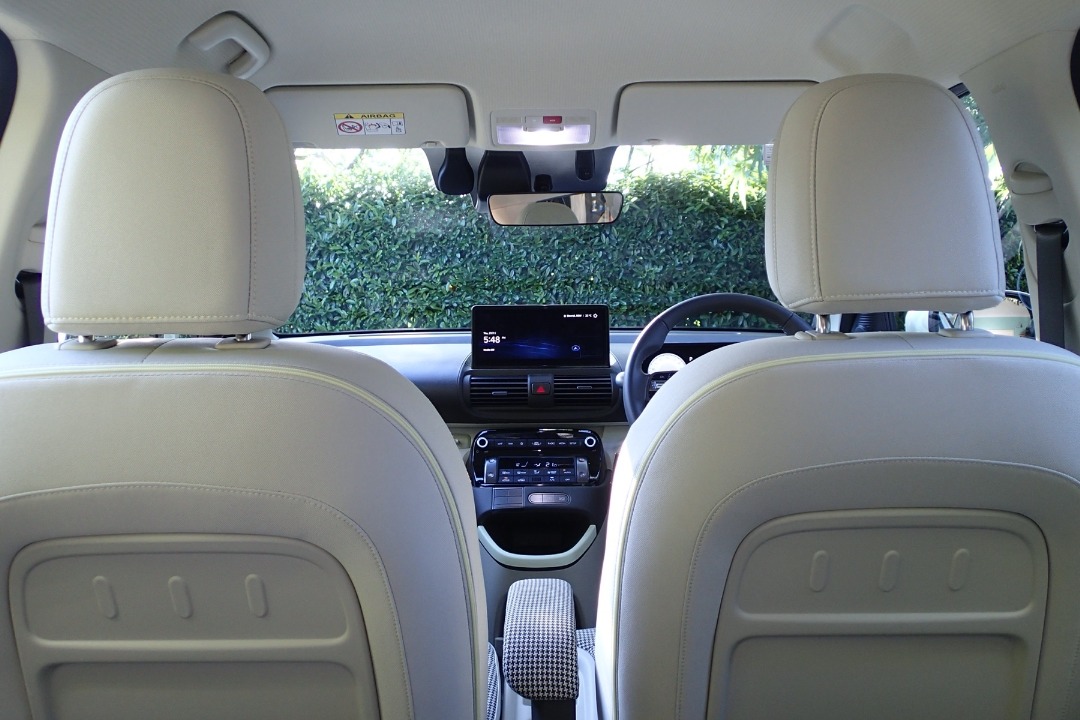
Open the door, and the INSTER keeps the retro‑meets‑modern vibe going. The cabin design is simple and airy, with clever storage and flat surfaces rather than fussy shapes.
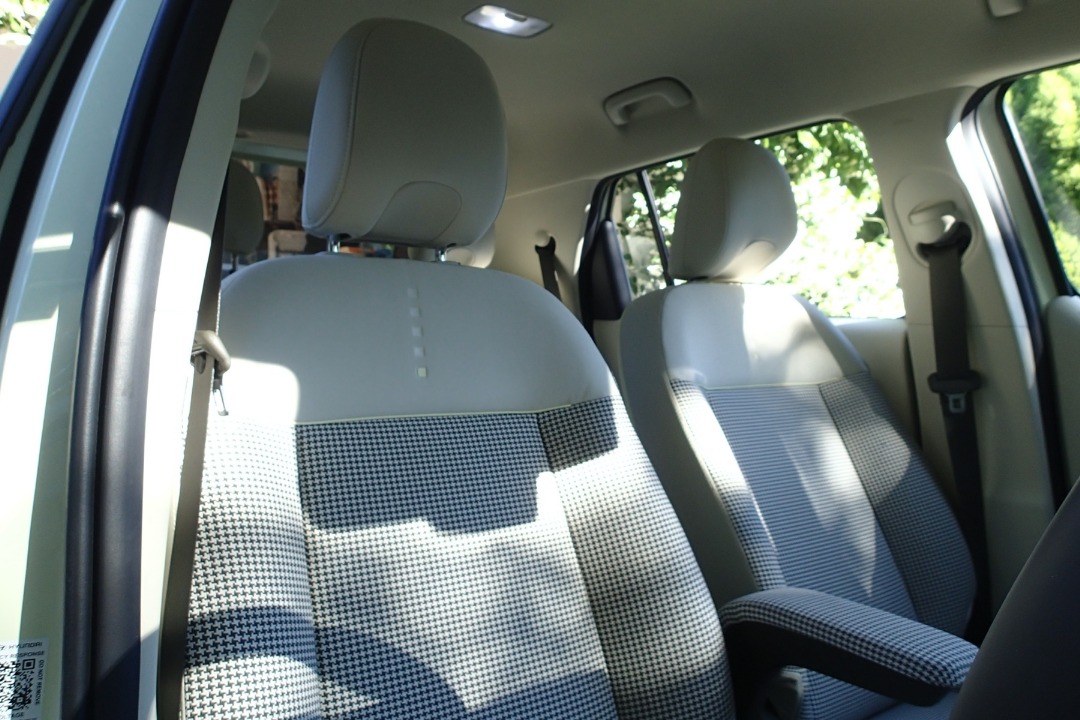
The spec here is a bit of a hero combo: Khaki Brown + Newtro Beige recycled PET cloth trim within that Buttercream Yellow exterior. It sounds loud, but it works - warm, modern and not trying too hard. The fact that Hyundai is using recycled PET cloth is a genuine plus if you care about sustainability, but even if you don’t, it simply feels nice and hard‑wearing.
Practicalities first:
- Seating is 2+2, and while it’s a small car, adults can genuinely sit in the back for short trips.
- The rear seats slide and fold, so you can prioritise legroom or boot space depending on the day.
- With the rear seats up, the boot is decent for a weekly shop or soft luggage; fold them, and it’s surprisingly van‑like.
- Big door pockets, a handy open shelf in the dash, and multiple USB ports make it easy to live with.
On the tech front, Hyundai has nailed the basics:
- Dual 10.25‑inch screens - one for the digital instrument cluster, one for infotainment.
- Wireless Apple CarPlay and Android Auto (market‑dependent, but expect at least full smartphone integration in Australia).
- Built‑in sat nav with EV‑aware route planning and charging stops.
- Over‑the‑air updates, so the car can gain features or fixes without visiting a dealer.
- Smart cruise control, lane keeping, and a proper drive mode selector.
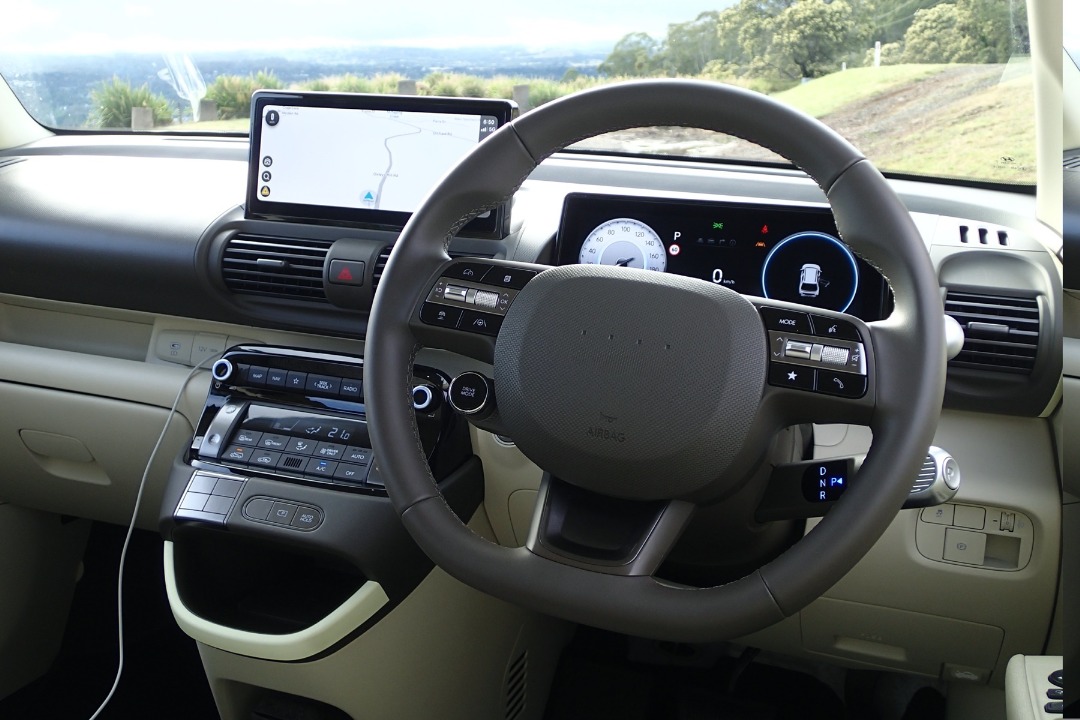
Climate control is single‑zone, but the inclusion of a heat pump is a big deal for EV efficiency - especially on cold mornings, you’re not burning range just to stay warm.
Cabin quality is exactly what you’d hope for the price: mostly hard plastics, but well‑textured, solidly put together, and the design and colour help it feel more premium than it is. You don’t get luxury‑car softness, but you do get a modern, functional space that wouldn’t feel out of place in a car ten grand dearer.
Performance & Driving Experience
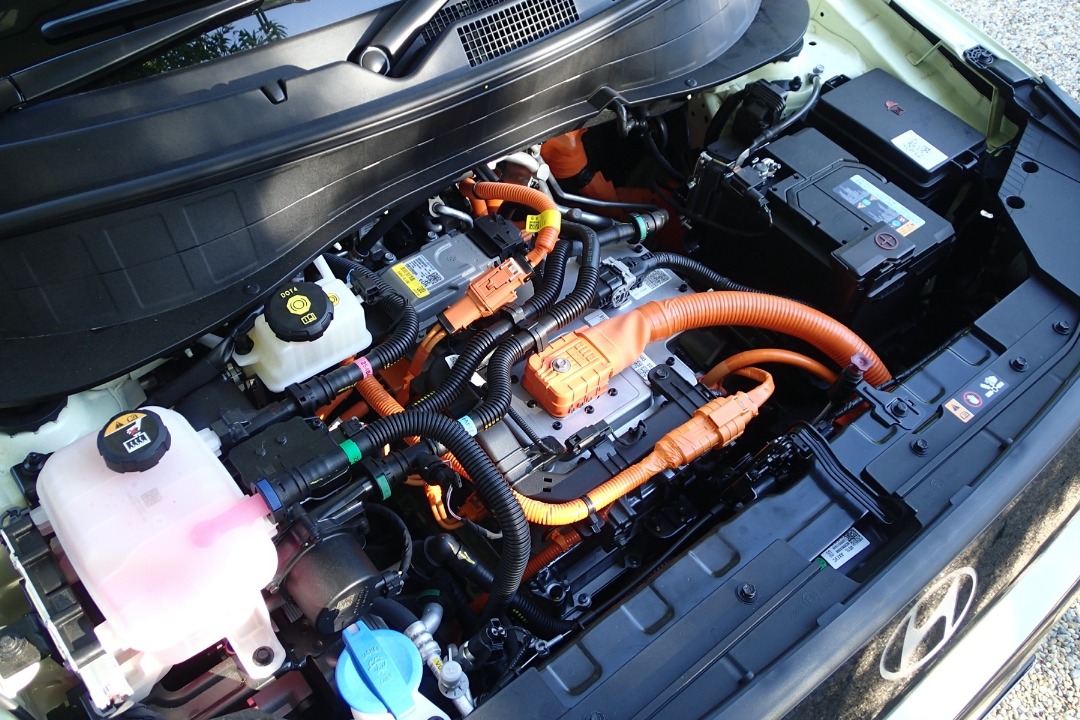
Under the skin, the Extended Range INSTER gets the stronger 84.5kW electric motor (Hyundai quotes around 85kW / 115hp), driving the front wheels only. That doesn’t sound like much in a world of 300kW performance EVs, but in a light, compact city SUV, it’s spot on.
Hyundai claims:
- Around 327-360km combined WLTP range depending on spec.
- 0-100km/h in roughly 10-12 seconds. Not really relevant.
In the real world, what matters more than those numbers is how it feels. And it feels:
- Instant off the line - that typical EV shove from 0–50km/h makes darting into gaps in traffic easy.
- Calm and composed at 80-110km/h - you won’t be pinned to your seat, but there’s enough in reserve for country‑road overtakes if you plan ahead.
- Light and accurate steering - perfect for city use and tight car parks, with enough weight in Sport mode to feel secure on faster roads.
- Comfortable ride - the relatively small wheels and sensible tyre profile help soak up rough suburban streets and patchy B‑roads.
The annoying and frankly dangerous 'One‑pedal' driving mode is possible thanks to adjustable regenerative braking, so in traffic you can mostly drive with just the accelerator and let regen handle slowing the car and putting energy back into the battery. Good luck if the driver in front of you suddenly brakes or changes direction in stop-and-go traffic. This, too, is on my list of features, totally counter-intuitive for an EV.
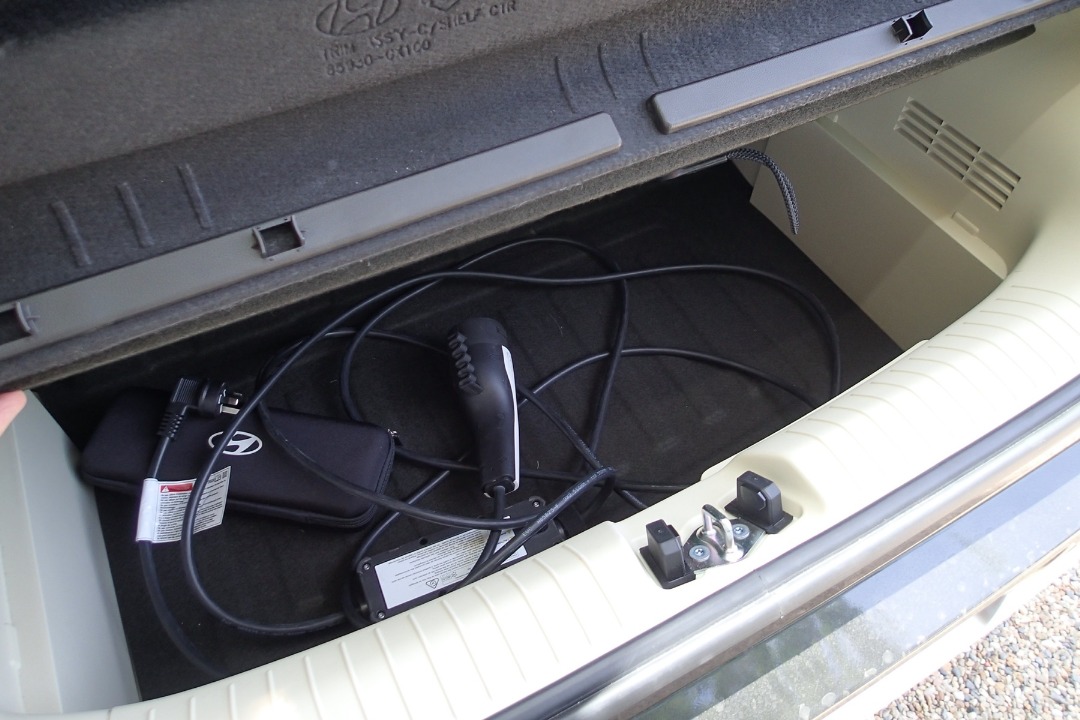
Charging is another strong point:
- AC charging up to 10.5kW, meaning a home wallbox will comfortably top it overnight.
- DC fast charging up to around 120kW, so expect a 10 to 80% charge in roughly half an hour on a decent public fast charger if you’re road‑tripping.
Around town, it feels every bit the spiritual EV successor to “Noddy”: easy to park, upright seating, good visibility, and just enough punch to be fun without being silly. Out on the motorway, the INSTER gets along at quite a clip, but above 110km/h, the road noise and battery drain are catastrophic. Stay away from the Active Cruise Control if you want any range when you get to your destination.
Safety
Hyundai has been equipping its newer models with the full active safety suite, and the INSTER follows the same playbook. Expect a strong list of driver‑assist and safety gear, including:
- Autonomous emergency braking with car, pedestrian, cyclist and junction‑turning detection.
- Lane keeping assist and lane following assist.
- Smart cruise control with Stop & Go is useful in congestion, but horrendous on battery drain.
- Blind‑spot monitoring and rear cross‑traffic alert/avoidance on higher trims.
- Driver attention monitoring with an in‑cabin camera.
- Seven airbags and a robust body structure.
The INSTER achieved a four-star safety rating with ANCAP. Compared to its peers, the INSTER was let down by the lack of AEB for pedestrian safety during reverse. For buyers moving from an older small SUV to an EV, the step-up in available safety tech will be immediately noticeable.
Value & Verdict
The range kicks off at under $40,000 driveaway for the base model, which is a significant psychological threshold - especially when many EVs are still hovering well above that. That base car is the bargain, but even the Extended Range version with the 84.5kW motor and bigger battery still lands in a very competitive zone given its equipment and real‑world range.
What you’re getting for your money:
- A genuinely usable city‑plus‑suburbs EV, with enough range for most commutes plus weekend runs without constant charging anxiety.
- A small footprint that works brilliantly in dense urban areas, tight shopping‑centre car parks and older garages.
- Low running costs – cheap off‑peak home charging, minimal servicing, and no petrol stops.
- Strong safety and tech that won’t feel outdated in 3 years.
- A distinctive design that doesn’t look like every other crossover in the car park.
It’s no surprise, then, that the INSTER was a strong contender in Wheels Car of The Year. It nails that combination of innovation, real‑world usability and price that awards tend to reward - and that buyers actually care about.
Where the INSTER Falls Short
No car is perfect, and it’s worth being clear about where the INSTER might not suit everyone:
- Not a family hauler: With four seats and modest rear space, it’s fine for couples, singles or pets, but not ideal as a long‑term family car for teenagers plus gear.
- Performance is adequate, not exciting: The 84.5kW motor is perfectly fine for daily use, but if you’re coming from a turbo petrol hot hatch or a high‑power EV, it will feel modest.
- Ride and refinement at highway speeds: Its short wheelbase and upright shape mean that on coarse‑chip country highways, you’ll notice more wind and tyre noise than in a larger or mid‑size SUV.
- Forget towing or any off‑road ability: This is more an urban crossover than a bush‑bash special. If you regularly tow or head for the hills, you’ll need something bigger and more capable.
- Interior materials: While cleverly designed, some plastics are hard and thin. At the price, it’s acceptable, but if you’re expecting luxury‑car plushness, you’ll be disappointed.
Final Take
If your mental picture of the perfect small SUV is still that 3‑door Suzuki Sierra or tor the RAV4 - compact, cheerful, and just plain easy to live with - the 2026 Hyundai INSTER Extended Range is the EV version you’ve been waiting for.
It brings:
- Modern safety and tech
- Honest, usable range
- Low running costs
- Sub‑$40k entry pricing in the line‑up
All wrapped in a sweet, character‑filled body that doesn’t take itself too seriously.
For Australians looking to jump into their first EV without leaping into a giant SUV or blowing the budget, the INSTER Extended Range should be very high - on the test‑drive list.