Picture this: you're cruising down the highway in a plug-in hybrid SUV that feels like a Bentley Bentayga crossed with a Mercedes GLS, but without the six-figure price tag. That's the 2026 GWM Tank 500 Ultra PHEV in a nutshell. I've spent time behind the wheel of this 5.3-metre behemoth, and it's got the power (300kW/750Nm), the wafty but plush ride, and off-road strength to take on anything from city commutes to outback tracks. At $79,990 before on-roads, it's priced to disrupt the large SUV segment. But does it deliver in real-world use?
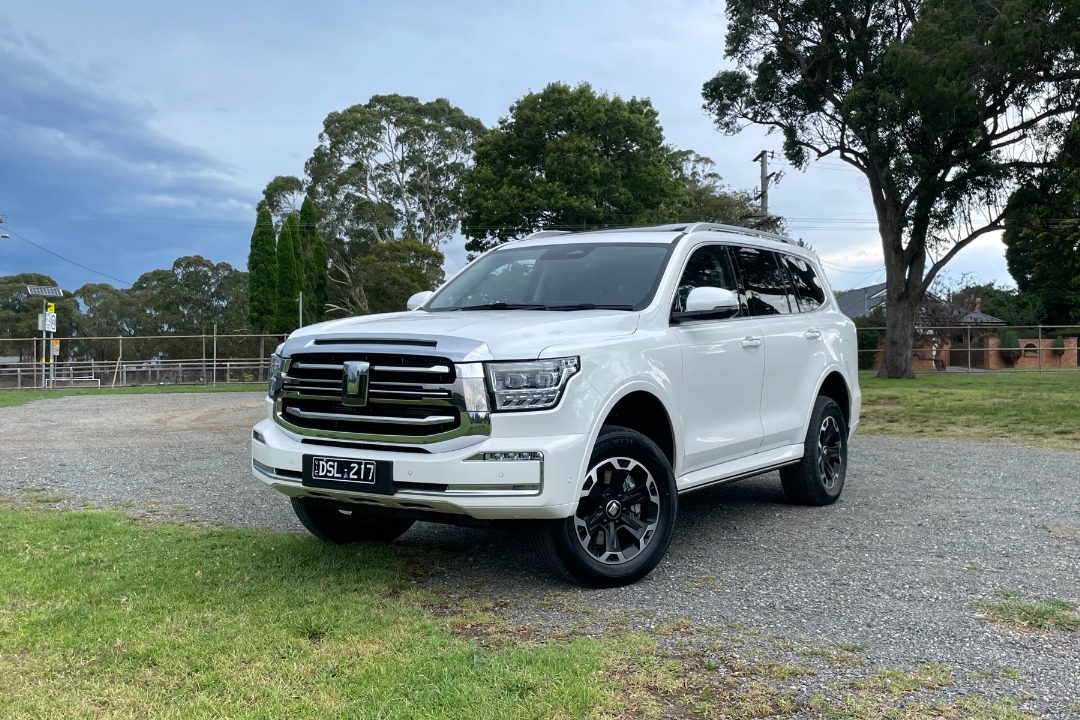
Design & Exterior
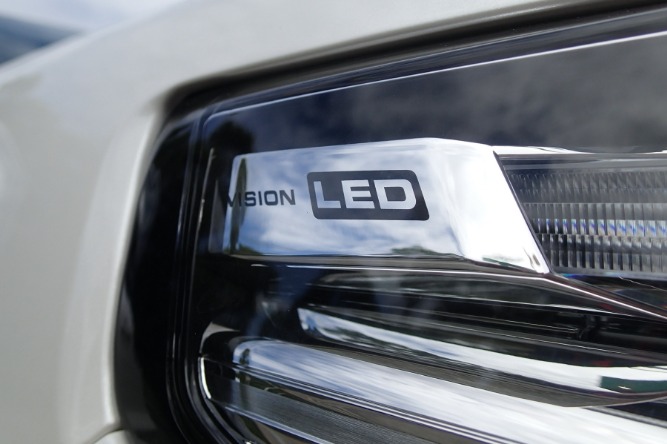
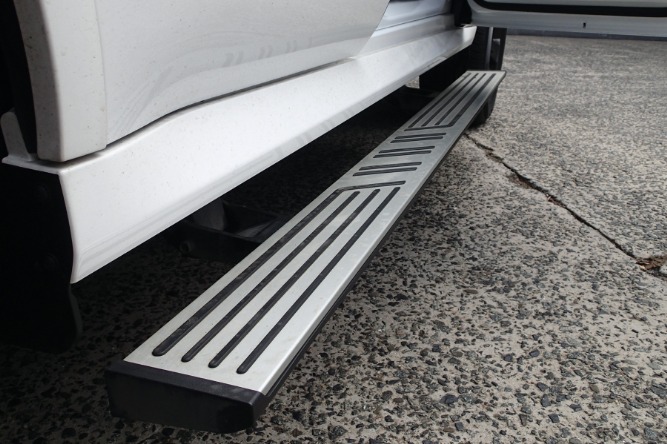
The Tank 500 Ultra PHEV cuts an imposing figure at 5,299mm long, 2,025mm wide, and 1,825mm tall, with a 3,150mm wheelbase that screams presence. Its boxy, rugged lines echo premium Euro titans - think bold chrome accents, adaptive LED headlights, and a massive chrome grille that dominates the front. Auto folding side-steps make climbing aboard easy, especially for kids or gear-heavy trips, and the panoramic opening sunroof adds a touch of openness without compromising that tough 4x4 vibe.
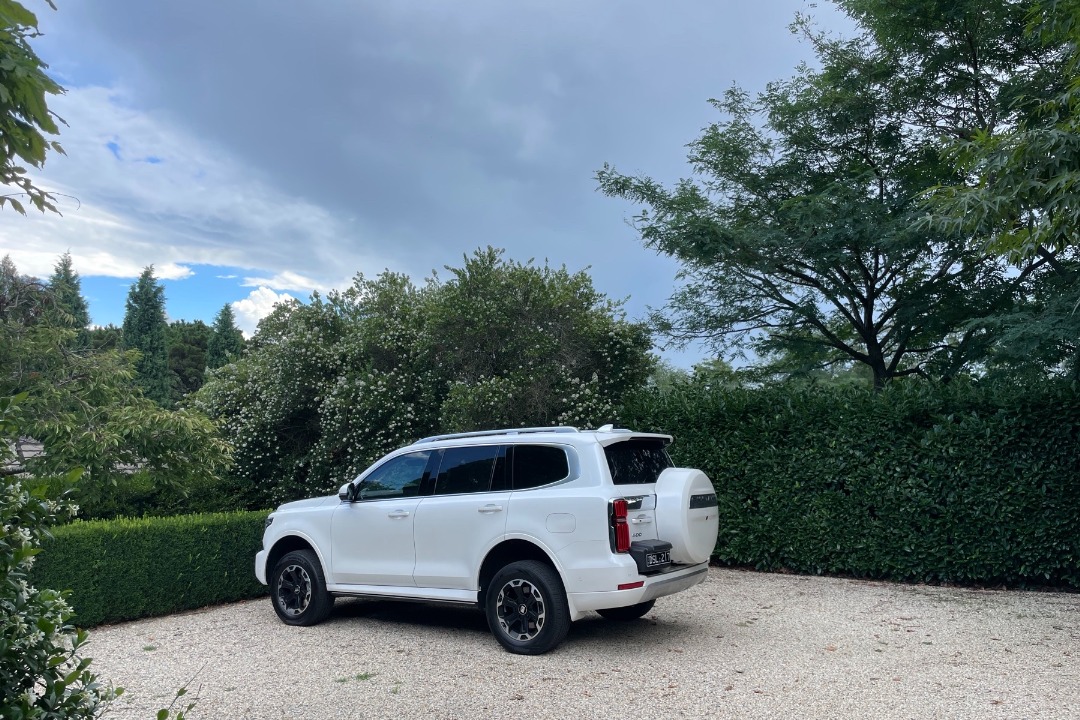
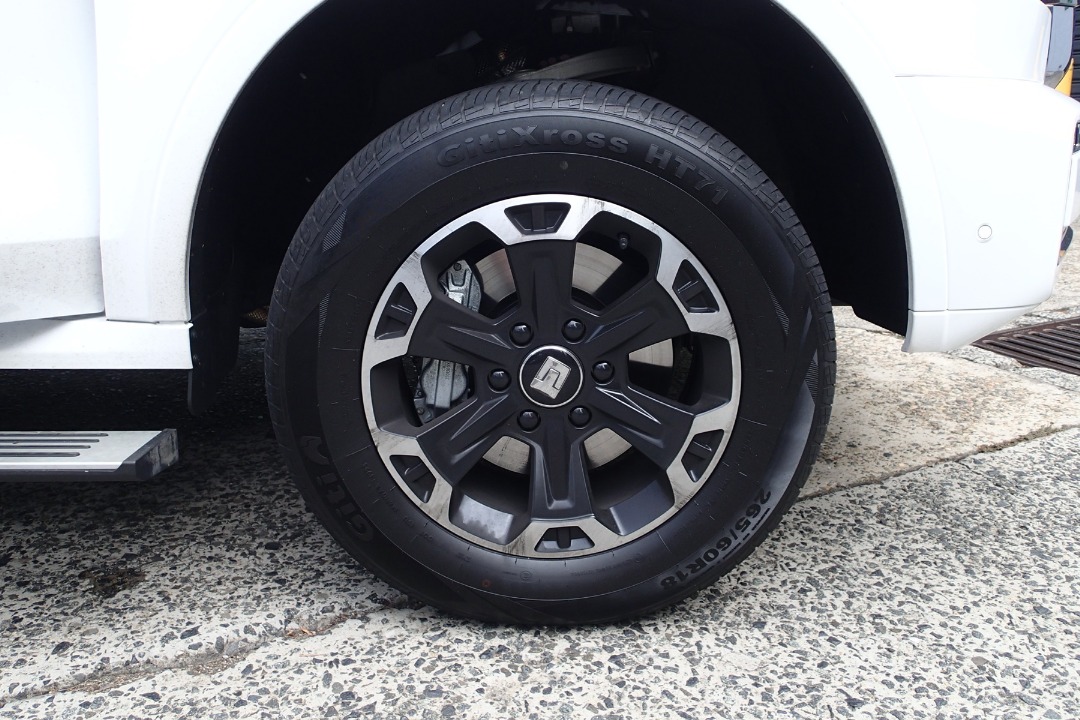
Off-road cred is baked in with excellent ground clearance, front and rear electronically-locking diffs, a dual-range transfer case, and a full-size spare wheel - perfect for Australia's remote roads. The 18-inch alloys look sharp, but for serious bush bashing, you'd want chunkier tyres. It's got 3000kg braked towing capacity too, which is Prado territory. Overall, it nails the real-world usability for families or adventurers who need a do-it-all hauler without looking like a bland appliance.
Interior & Technology
Step inside, and it's luxury overload. Nappa leather-accented seats are heated, ventilated, and massaging front and rear - seriously comfy for long hauls. The cabin feels premium with soft-touch materials, ambient lighting, acoustic glass for a hushed ride, and outstanding comfort for every passenger, no matter the drive type. Boot space is generous at 640L expanding to 1400L, though the 37.1kWh PHEV battery eats into underfloor storage - more on that shortfall later.
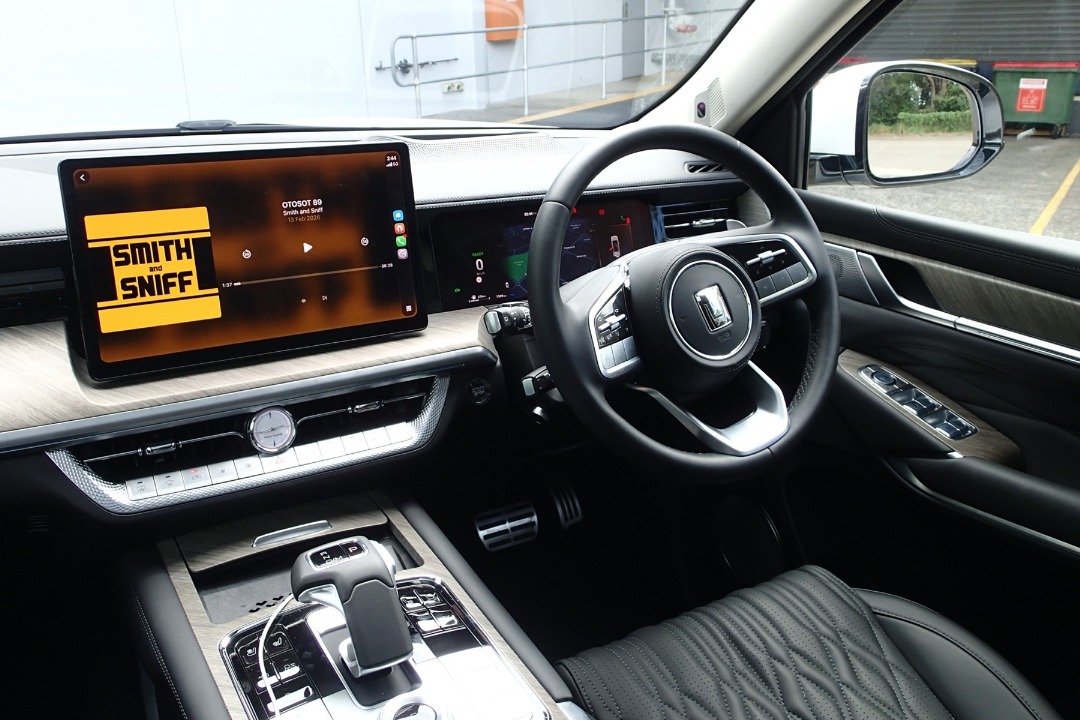
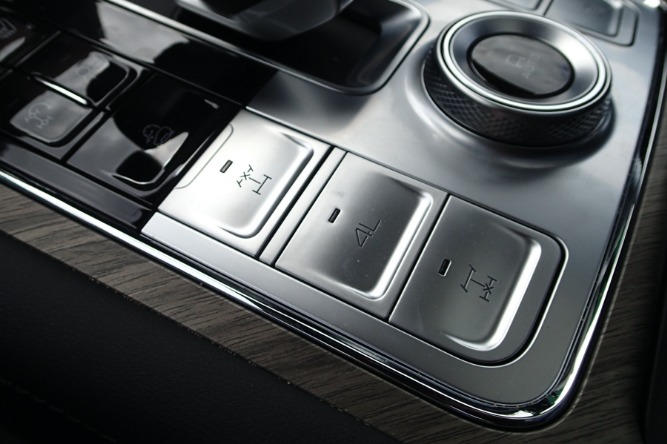
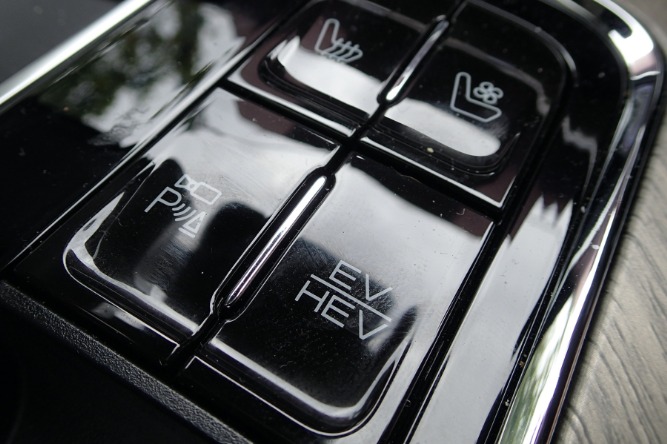
Tech-wise, the 14.6-inch touchscreen runs wireless Apple CarPlay and Android Auto flawlessly, paired with a 12-speaker Infinity sound system that delivers crystal-clear audio. There's a head-up display, wireless charger, keyless entry, and a 12.3-inch digital cluster. Climate controls get physical buttons - a win for usability - and the centre console has diff locks, drive modes, and EV/HEV switches. One niggle: no simple volume knob for the front passenger; everything's steering wheel-mounted. Still, it's intuitive and loaded for the price.
Performance & Driving Experience
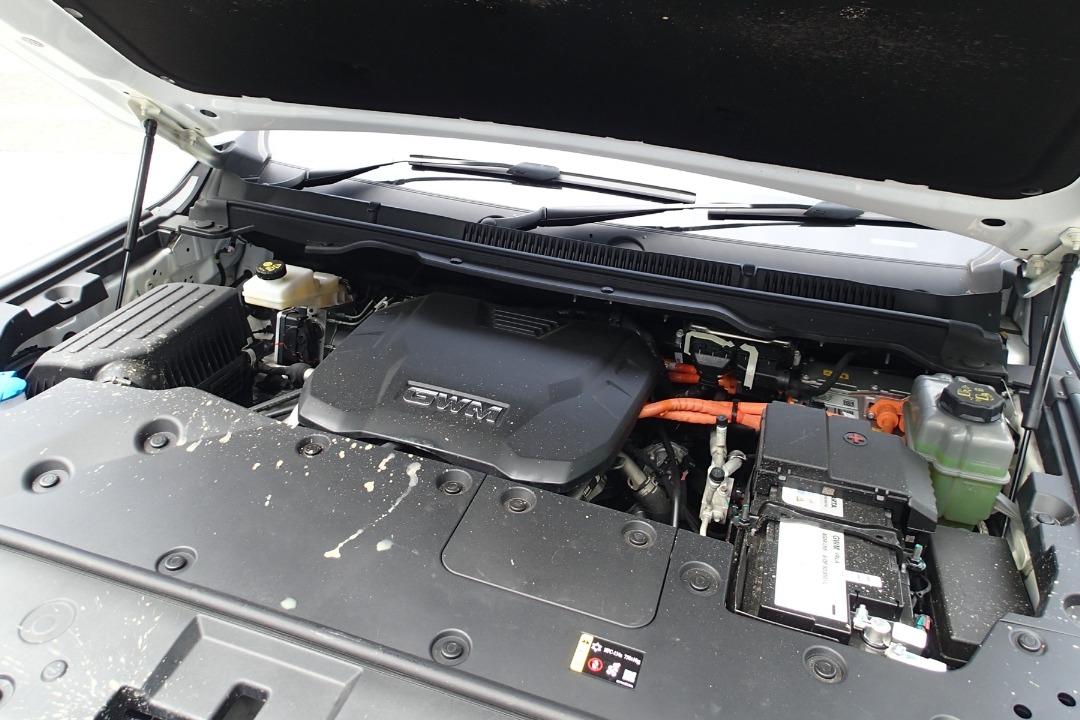
This is where the Tank 500 shines. The 2.0-litre turbo petrol four-cylinder (180kW/380Nm) teams with a beefy 120kW/400Nm electric motor before the nine-speed auto, unleashing 300kW/750Nm combined - one of the punchiest in the large SUV class. Claimed 0-100km/h is 6.9 seconds, and it feels every bit that quick in real life, with seamless power delivery thanks to smart calibration.
The PHEV system is a standout: up to 120km NEDC electric range (around 102km WLTP), with 6.6kW AC/50kW DC charging. Run it in pure EV for silent, torque-filled cruising - perfect for school runs or short trips. Switch to hybrid for longer jaunts, and official economy is 2.1L/100km, though expect around 10L/100km once the battery depletes. Vehicle-to-Load (V2L) lets you power campsite gear from the battery - handy for outback adventures.
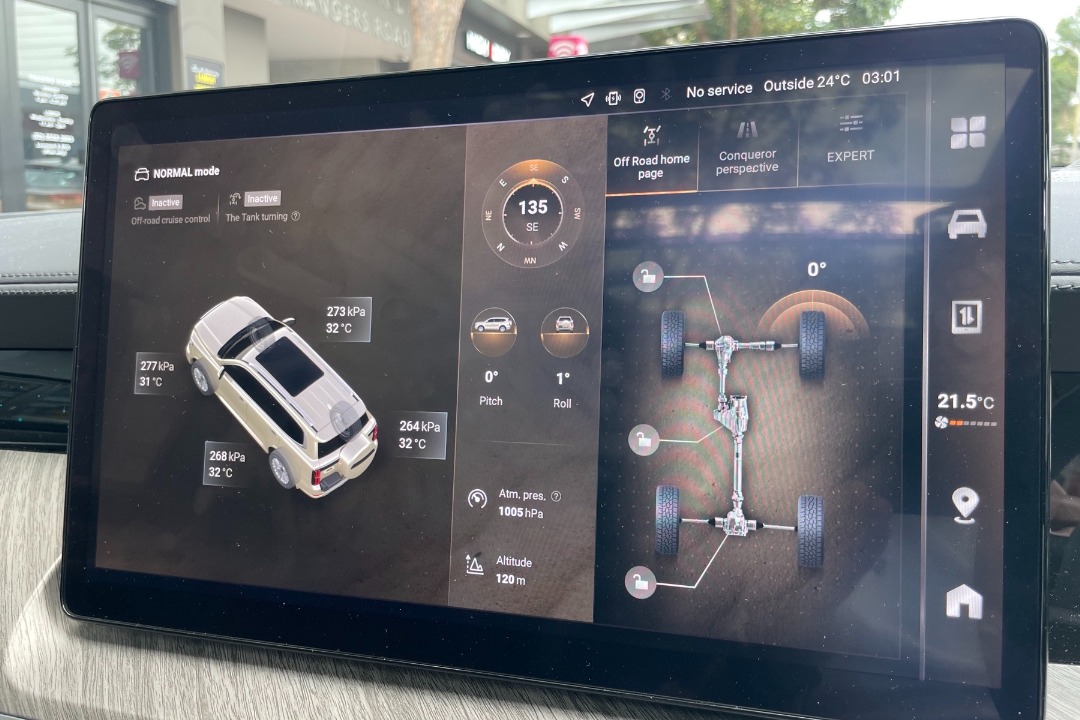
On-road, it's suitably soft and plush, soaking up bumps like a luxury liner. The mechanical 4x4 with locking diffs handles gravel, mud, and steep inclines with ease - no drama. Driver aids like lane keep and adaptive cruise are present but far less intrusive than many rivals, letting you drive. Towing should be strong at 3000kg, though the 2.0-litre petrol might feel stretched on long uphill hauls with a heavy load. Real-world? It's versatile, efficient when charged, and fun.
Safety
Safety is comprehensive without overwhelming. You've got adaptive cruise control, autonomous emergency braking, blind-spot monitoring, rear cross-traffic alert, lane keep/departure warnings, and a full 360-degree camera system with parking sensors. The head-up display and auto parking assist make manoeuvring this big rig stress-free in tight Aussie carparks. It earns high marks for family protection, blending active aids with a robust body structure.
Shortcomings
No car's perfect, and the Tank 500 Ultra PHEV has a few real-world gripes. The PHEV battery robs space for a third row - it's a 5-seater only, missing out on 7-seat family versatility that rivals like the Prado offer. That 2.0-litre engine, while punchy with electric help, lacks the low-end grunt of a turbo-diesel 3.0-litre six for effortless towing or highway overtaking when the battery's low. Sound system controls frustrate the front passenger, and while off-road capable, the stock 18-inch wheels/tyres aren't ideal for rugged Aussie tracks - you'd swap them for more aggressive rubber. Fuel use jumps post-battery, so regular charging is key for efficiency claims.
Value & Verdict
At $79,990 drive-away territory, the Tank 500 Ultra PHEV is value dynamite. It undercuts a base diesel Toyota LandCruiser Prado by nearly $20k, yet piles on massaging seats, 300kW power, 120km EV range, and luxury kit that'd cost double in Euro brands. For Aussie buyers wanting real-world usability - comfy daily drives, off-road prowess, towing muscle, and efficiency - it's a no-brainer. Sure, it skips seven seats and craves a bigger diesel option, but the driving experience, luxury, and price make it a segment disruptor.
If you're shopping large SUVs o a budget, test this one. It might just park in your garage.