The third-generation Audi Q7 arrives with orders opening in late 2026 and first deliveries hitting driveways in Q1 of 2027. Audi is launching with two diesel V6 options for the European market: a 220kW/630Nm version and a 180kW/500Nm variant. Both come with what Audi calls "MHEV plus" - a next-generation mild-hybrid system that adds an electric-powered compressor and a powertrain generator capable of delivering an extra 18kW temporarily. It's paired with an eight-speed tiptronic and Audi's quattro permanent all-wheel drive, now with a new limited-slip centre differential.
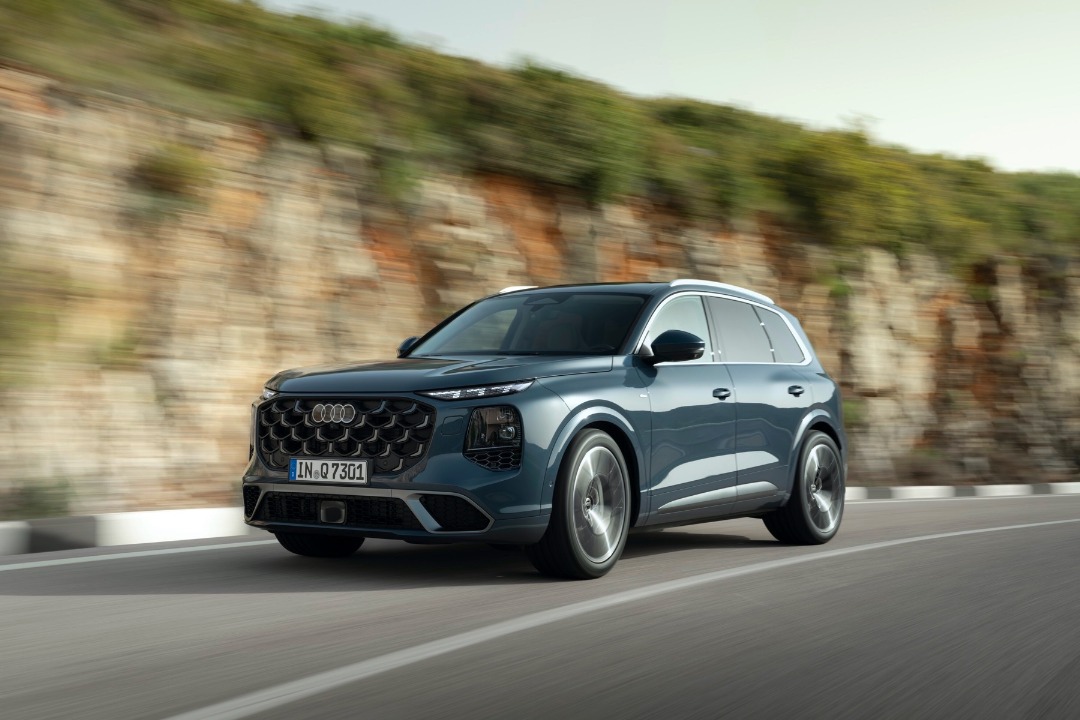
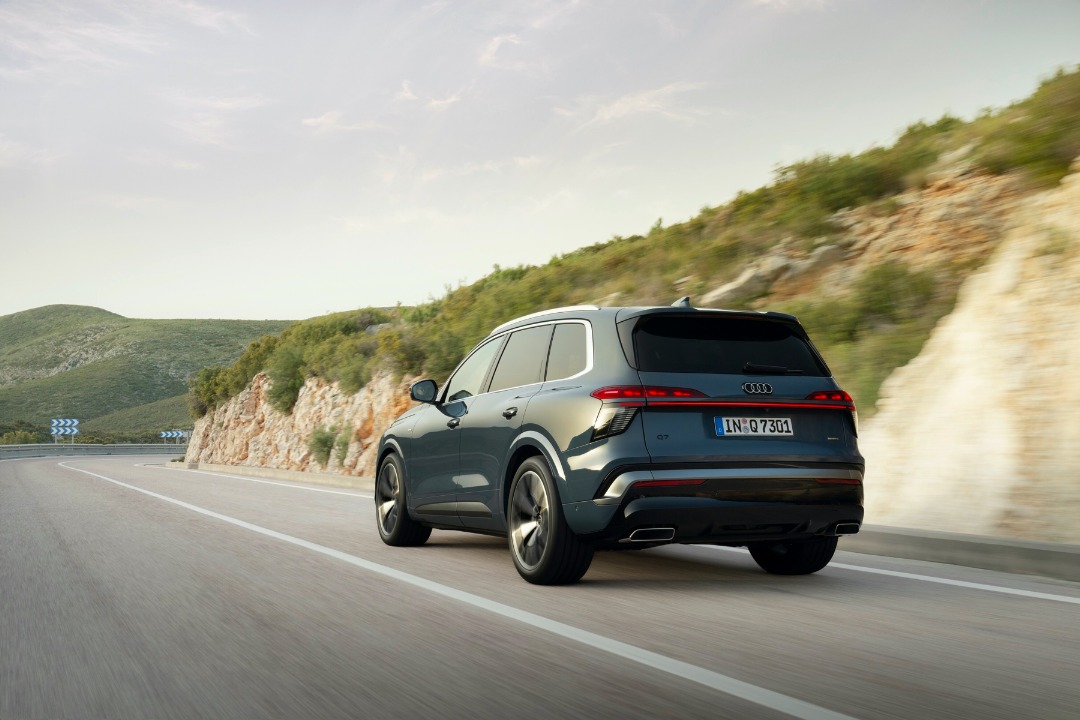
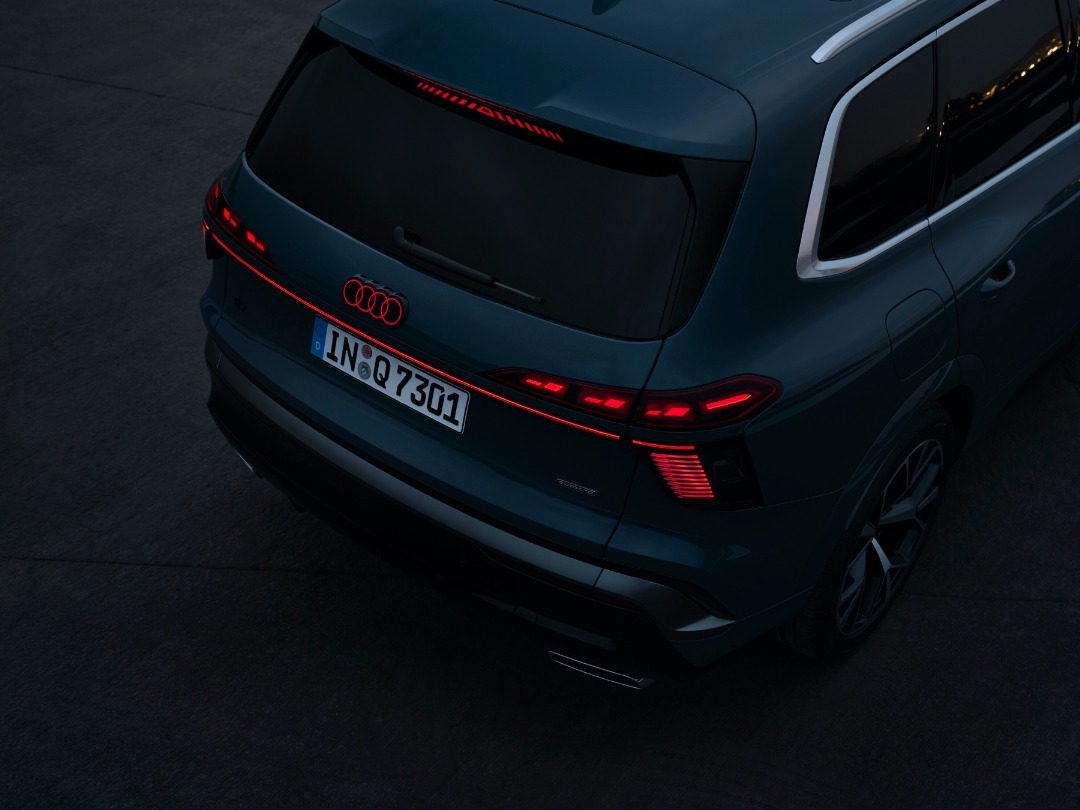
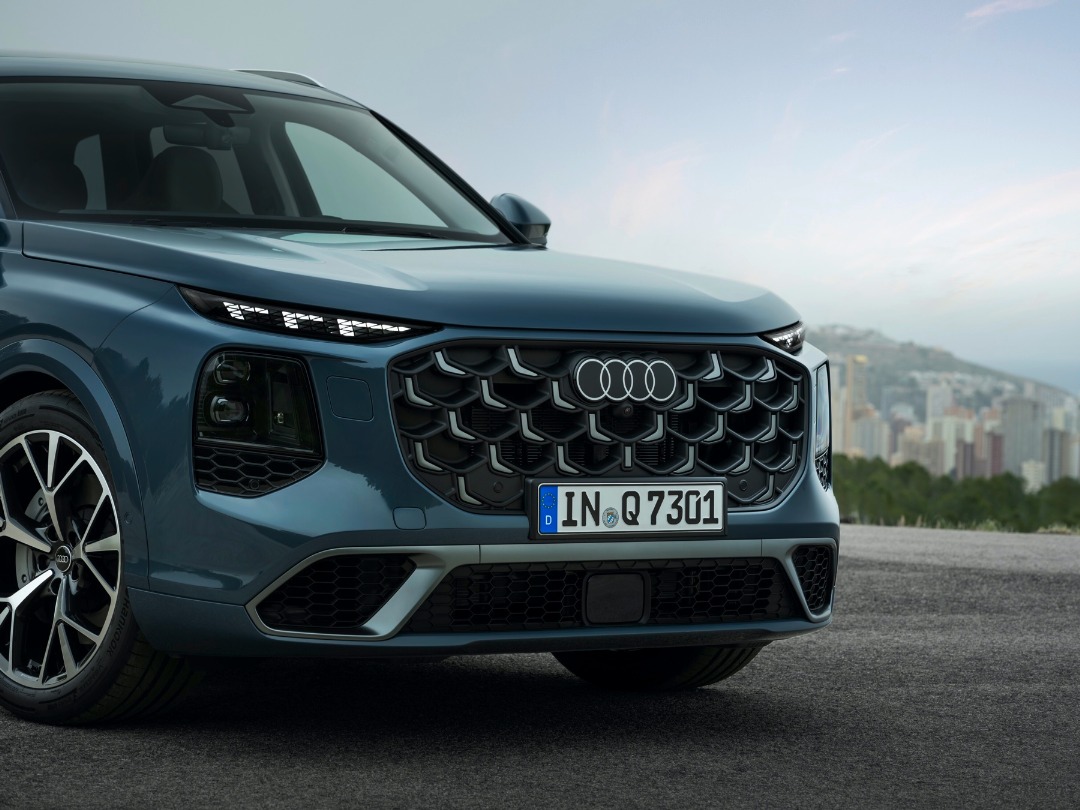
The real headline, though, is the lighting technology. Audi's always been strong here, and the new Q7 pushes further with digital Matrix LED headlights that use micro-LED modules to project high-resolution light patterns onto the road. The system includes lane guidance projected ahead of the car and a stylised turn signal that shows on the ground. At the rear, third-generation digital OLED lights offer up to eight selectable light signatures with three-dimensional effects. It's not just tech for tech's sake - adaptive lighting genuinely improves safety and driver confidence, especially on unfamiliar roads at night. Genesis has done this before in the G80 and GV70 - both are super impressive.
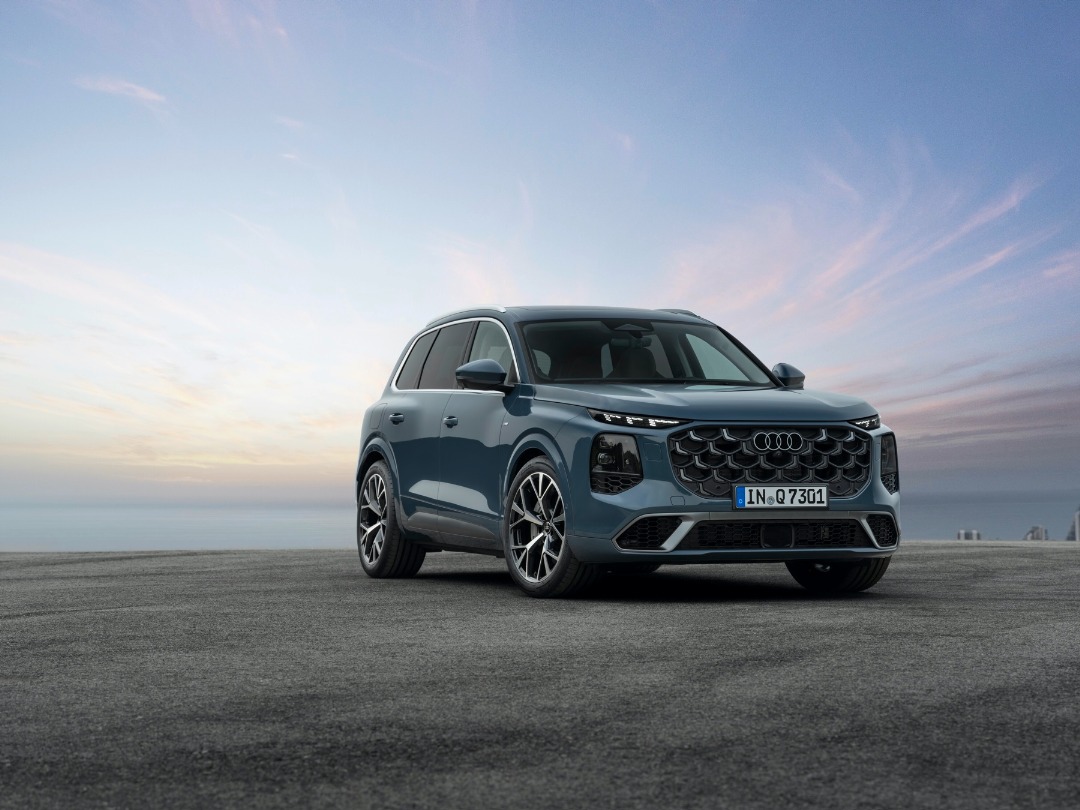
Inside, Audi's introduced a new six-seat configuration with individual second-row captain's chairs - a layout that's increasingly popular with families who want a bit more space and comfort for rear passengers. This is unlikely for the Australian market - unless you're a hire-car driver. The five-seat version offers up to 806 litres of boot space, expanding to 2,075 litres with the rear seats folded. Seven-seat models get 722 litres (1,980 litres seats down). That's competitive, though not segment-leading - the Q7 has never been the cargo champion, but it's never felt compromised either.
How It Sits in the Market
The Q7 competes in a tough segment. BMW's X5 and X7 lean sportier with their M models. Mercedes-Benz's GLE and GLS go harder on luxury and unfathomable interior theatre. Volvo's XC90 plays the safety and Scandinavian minimalism card. Land Rover's Discovery owns the off-road credibility.
The Q7 sits somewhere in the middle of all that, which has always been its strength. It's not trying to be the sportiest, the most opulent, or the most rugged. It's just a very well-executed large luxury SUV that does everything well and nothing badly. The first-generation Q7, launched in 2005, established Audi as a serious player in SUVs. The second generation, from 2015, shed up to 325kg and brought more advanced tech and efficiency - but fell well short in the beauty pageant. This third iteration looks like it's continuing that trajectory - refining what works rather than reinventing it.
What I Remember
Our Q7 was a first-generation TDI model. What I remember most is how easy it was to live with. The cabin was quiet, the ride was composed, the tech was very basic but intuitive, and it never felt like a compromise. We did long highway trips and many a school run - it just absorbed everything without complaint. My wife still talks about how planted it felt on the road. The boot swallowed prams, sports gear, suitcases, and shopping without fuss.
It wasn't perfect. The sunroof drains leaked, and it ate tyres, but that was all part of the charm. The third row was definitely kids-only, and some of the driver-assistance features that make newer cars easier to manage in traffic weren't available yet. It was a much-loved part of the family at that time.
What's Changed
This new model brings much of the tech that's since become standard in the upper-luxury segment. Adaptive driving assistant plus handles acceleration, braking, speed, distance, and lane keeping. There's a trained parking feature that learns your regular parking spots and can replicate them, plus a new reverse assist that retraces your path when you need to back out of a tight space.
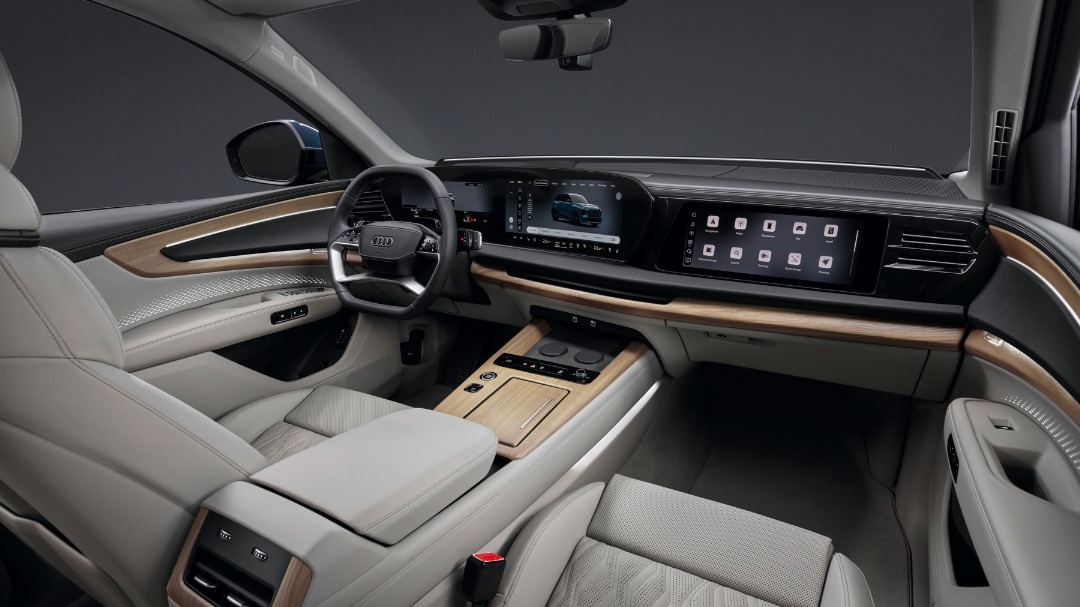
The interior gets a redesigned centre console with Qi2.2 wireless charging for two smartphones (finally, proper dual charging), larger cup holders, and an optional panoramic sunroof with switchable transparency. The top trim gets an illuminated version that dims or clears on demand. These are the kinds of incremental improvements that add up to a noticeably better daily experience.
Pricing and Availability
In Germany, the third-generation Q7 starts at €87,900 for the 180kW model and rises to €90,500 for the 220kW version. Australian pricing hasn't been announced yet, and given the diesel-only European launch lineup, it's unclear exactly which powertrains we'll see here - though Audi Australia typically offers petrol options alongside or instead of diesel.
Expect Australian pricing to land somewhere north of $120,000 once local specs are confirmed. That puts it in direct competition with the BMW X5 (from around $120,000), Mercedes-Benz GLE (from $125,000), and Volvo XC90 (from $115,000). The Q7 has always been competitively priced within its segment, and I'd expect that to continue. Expect an SQ7 later in 2027 that will drive the pricing up towards the $200,000 mark, but early word is it will have close to 500kW of MHEV power.
Final Thoughts
This isn't a revolutionary car. There's a strong whiff of the latest Volkswagen Touareg in these photos. It's an evolution of a formula that's worked for Audi for nearly 20 years. But evolution, when done well, is often more valuable than revolution, when done badly. The Q7 has always been a car that just works - comfortable, capable, practical, and genuinely pleasant to drive. The third generation looks like it's refining those strengths while adding the kind of tech and convenience features that genuinely improve the ownership experience.
I haven't driven it yet, so I can't tell you how it feels on the road. But based on what Audi's announced, this looks like a strong step forward for a car that's already very good at what it does. If you're in the market for a large luxury SUV and not in a rush, you're well advised to wait for the Q7 to arrive.